


The case for debt relief in Africa amid COVID-19

As the world grapples with the COVID-19 pandemic, countries are putting in place significant fiscal policy measures to counteract the sudden stop in economic activities. These spending plans aim to minimise disruptions to liquidity and ensure the solvency of sectors, businesses and households that are most affected by the pandemic. Understandably, low-income countries with smaller fiscal room would not be in a position to deploy robust spending plans to mitigate the shock. The data from the IMF’s Policy Responses to COVID-19 Tracker supports this hypothesis. So far, the spending plans of countries in sub-Saharan Africa is 0.26% of GDP on average, which is considerably lower than the average of countries in Europe and Central Asia, and North America at 9% and 11.5% of GDP, respectively.

On 2 April, Africa’s Ministers of Finance solicited for debt relief from bilateral, multilateral and commercial creditors in order to improve their fiscal position. Similarly, a group of senior Africans have called for immediate debt relief for African countries in order to create the fiscal room required for governments to combat the pandemic. It is, however, noteworthy that African countries were offered about USD 99 billion in debt relief under the Heavily Indebted Poor Countries (HIPC) initiative and Multilateral Debt Relief Initiative (MDRI) in 1996 and 2005 respectively. However, coronavirus debt relief will not only be provided to countries with unsustainable debt burdens, as was the case previously, but to the entire continent. 

This article attempts to make a case for African countries, particularly those in sub-Saharan Africa, to have recourse to debt relief in the face of the COVID-19 pandemic while assessing the practicability based on the experiences from previous efforts.

Current levels of debt and debt servicing

Several African countries stepped into the pandemic under a high debt burden which offers them limited room for fiscal manoeuvre. For sub-Saharan Africa, government debt as a share of GDP has grown from 31.7% between 2010-2015 to 50.4% in 2020 with countries like Cape Verde, Mozambique and Angola recording debt levels as high as 118.9%, 106.8% and 90% of GDP respectively. 

"Out of the world’s 28 poorest countries, 27 are in sub-Saharan Africa with the region’s poverty rate standing at 42.3%."

Since 2010, more of these countries have gained access to the international capital market and as such, commercial creditors have become key players in providing credit to the continent. The change in the creditor composition will have severe implications for the request for debt relief given the historically low participation of commercial creditors in providing relief under the HIPC initiative.

The growth in debt has also led to rising debt servicing costs as debt service payments for several countries are higher or on par with national investments in key human capital sectors. 

In Nigeria, the 2020 budget allocates NGN 2.43 trillion to debt servicing, while NGN 706 billion and NGN 464 billion have been allocated to the education and health sectors respectively. Similarly, in 2020, Ghana has earmarked GHC 13.9 billion to debt servicing, while spending GHC 10.68 billion and GHC 4.24 billion on education and health respectively. South Africa has also allocated similar amounts for debt servicing, basic education and health - at ZAR 229 billion, ZAR 265 billion and ZAR 229.7 billion respectively.

Why Africa needs debt alleviation 

Beyond debt, Africa has the weakest health infrastructure in the world. In a global review of health systems across 191 WHO member states, most of the countries that ranked within the bottom percentile are African. Specifically, out of the bottom 50 countries, 34 are in sub-Saharan Africa. As such, the health systems are not adequately prepared to respond to the needs of the population during the health crisis and will require significant finance.

Another reason why Africa should be considered for debt alleviation is that most of the continent (nine out of ten African countries) is commodity-dependent and, as such, is suffering from the recent demand shock associated with the pandemic. Where 41% of countries in sub-Saharan Africa are commodity-dependent, in Latin America and the Caribbean, East Asia and the Pacific, the Middle East and North Africa, and Europe and Central Asia, the share is just 17%, 16%, 13% and 12% respectively. The reduction in revenue has, therefore, put pressure on the budgets of governments across the continent with spillover effects to the rest of the economy.

"In Nigeria, which has a population of 195.9 million people, less than 500 ventilators are available."

Moreover, due to structural issues, larger than normal fiscal spending is now required on the continent. According to the International Labour Organisation, 66% of total employment in sub-Saharan Africa is in the informal sector which is characterised by low wages. 

Poverty is another issue. Out of the world’s 28 poorest countries, 27 are in sub-Saharan Africa with the region’s poverty rate standing at 42.3%. Considering that a large share of the population does not earn a certain threshold of income sufficient enough to meet their needs, the continent will require large safety nets for its citizens as the pandemic spreads. 

Furthermore, given the low investment in manufacturing in Africa, many countries have limited access to the medical supplies and associated equipment required to combat the pandemic. In Nigeria, which has a population of 195.9 million people, less than 500 ventilators are reportedly available. Others are in a worse situation: Zimbabwe, which has a population of 14.4 million people, has around 20 ventilators in public hospitals across the country while the Central African Republic, with a population of 4.6 million people, has only three ventilators. Significant financial resources will also be required to address the shortfall in personal protective equipment for health workers over the coming weeks and months. 

What kinds of debt relief should be made available

A standstill for debt servicing for an agreed-upon time will immediately free up resources for African countries to combat the pandemic. Considering that governments spend a considerable share of their budget on repaying the principal and interest payments of their debt, providing the latitude to hold off on these payments in the short term will offer the flexibility required to focus on the crisis. In addition, grants and concessional loans with low-interest rates and long grace and maturity periods should be made available to the continent. Multilateral and bilateral creditors alike can play a more proactive role in this area to make such funds available.

While the creditor community has evolved to include a larger group of commercial creditors, multilateral and bilateral creditors continue to provide considerable amounts of credit to the continent. Judging from the experience of the HIPC and MDRI, these creditors are likely to participate in a coronavirus debt relief programme. Indeed, multilateral development organisations, including the World Bank and International Monetary Fund as well as bilateral development partners, such as the G-20, have already stated their commitment towards providing support to developing countries.

Despite the urgent need for finance, African governments can also achieve quick wins without waiting on the international community. In this regard, the following policy actions are recommended:

  • The use of a mix of timely and targeted policies such as temporary tax relief is recommended considering the shortfall in public finance for cash transfers. Payments on personal and corporate income tax should be waivered during the crisis to ensure that households and businesses are financially secure.
  • Now more than ever, African governments need to reprioritise their revenue and spending objectives. The focus should be placed on key human capital sectors, such as health, as well as import-substitution policies focused on manufacturing to build the capacity to weather the effects of the pandemic.
  • The government and private sector should cooperate to locally manufacture the medical supplies and equipment required to tackle the pandemic. This is crucial given the already high global demand for supplies for which Africa will now have to compete. While governments can provide the means, the technical know-how and corporate philanthropy offered by the private sector should be leveraged to deliver such goods.

The COVID-19 pandemic has required that people, businesses and governments across the world pool resources to tackle the problem. Cuban doctors flew to Italy to provide support as the country became overwhelmed. Jack Ma, the co-Founder of Alibaba, has provided free medical supplies to all African countries. In the spirit of goodwill and global partnership, Africa should be provided debt relief to assist its governments in adequately combating the pandemic. 

This is especially important considering that COVID-19 is a social collective ill: until all countries are free of the virus, no single country is truly free.

The opinions expressed in this interview are those of the author(s) and do not necessarily reflect the views of SAIIA or CIGI.

This article was first published on Africa portal
Read More

COVID 19 and the Informal Sector in Nigeria: The Socio-Economic Cost Implications

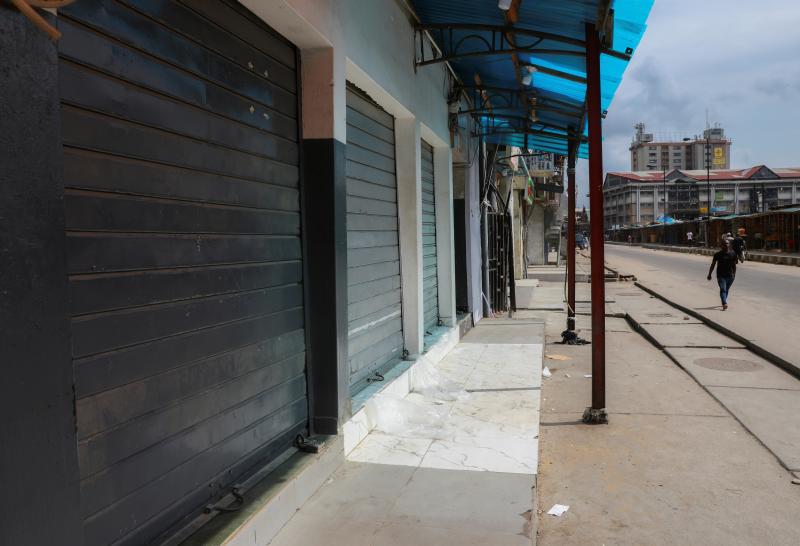
As the world is currently being ravaged by the COVID-19 pandemic, nations are grappling with how to contain the spread and limit its effect with their borders. Nigeria, Africa’s most populous country, has reported 873 cases of COVID-19, and 28 deaths as of April 23rd. The government has implemented a range of measures to curb the spread, including the closure of international airports, primary, secondary and tertiary institutions, markets/stores, and halting of all public gatherings. On March 29th, a four-week statewide[1] lockdown was declared in three major states - Lagos, Abuja and Ogun - halting all non-essential activities across all three states.

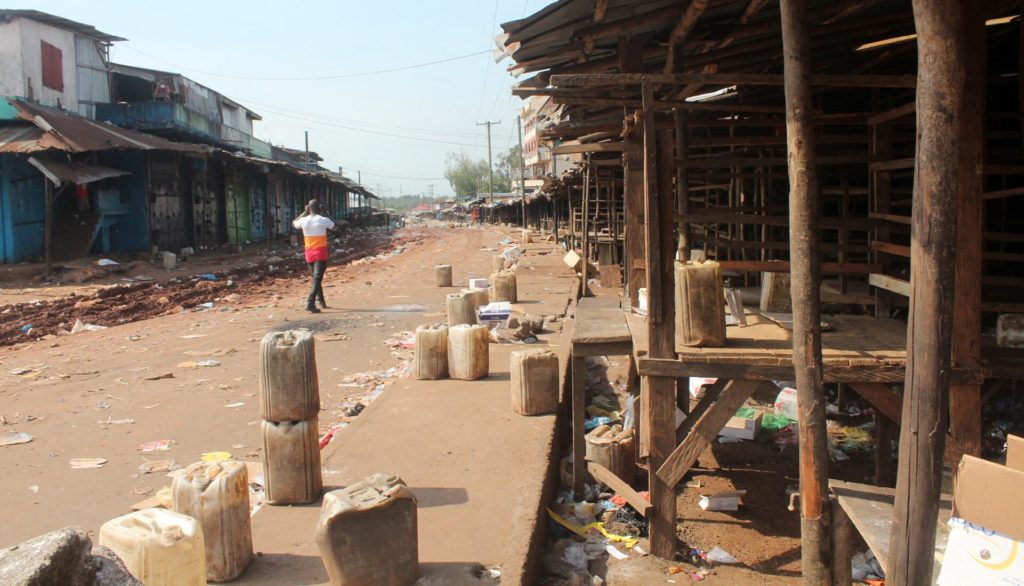
These closures, while essential, are having negative ripple effects across all sectors and segments of the country. The macro effects on the economy have been documented, ranging from a fall in both aggregate supply and demand, decline in exports and rise in overall government spending, but much less has been said about the effects on the people who are the first to bear the brunt of the impact: individuals, micro and small enterprises, and daily wage earners operating in the informal sector[2]. 

Profile of People Affected

According to the International Labour Organisation, in Nigeria, over 80% of working people are employed in the informal sector. The affected lockdown states include three of the most urbanized states in Nigeria, signifying that the impact of the lockdown would be skewed toward those who perform urban informal sector economic activities. Such activities include (but is not limited to) street trading and vending, micro and small scale manufacturing, repair and service provision, home-based enterprises,  informal employees of formal enterprises (making daily/weekly wages).

For the vast majority of people engaged in these economic activities, they are daily-wage earners who either rely on income generated from going to work at a physical location on a daily basis/weekly basis, be it as an employee for someone, or as a micro/small entrepreneur.

People in this population belong to the category of people who are most vulnerable to the negative economic shocks surrounding the COVID-19 pandemic. Their income-generating activities are more closely tied to the daily whims of the market. To wit, for this category of people, their ability to meet their immediate basic needs such as access to food, shelter, and health services, predicated on daily access to face-to-face interactions and customer flow. This article provides an in-depth description of the group most likely to be affected by the lockdown.

Essentially, this lockdown effectively stops all income-generating activities for people engaged in non-essential services. Additionally, with this lockdown occurring in urbanized states, there’s the intensifying impact of rising food prices in these states, driven by disrupted food supply chains and panic buying. For this population, faced with a loss of access to income-generating activities, and without the luxury of an income that allows bulk purchasing and the home infrastructure (electricity and adequate refrigeration to store food), the impact of slight increases in the cost of living could be dire.

Liquid Precautionary Savings

For most households whose income stream has been temporarily blocked, they would need to find other means to sustain their livelihoods during this lockdown period. Cue in savings, which is widely known to cushion and help manage the uncertainty that weighs on an individual/household’s income. The general advice is to build precautionary savings during periods of high income, to help smooth consumption during periods of low income. For those who have access to modest incomes far and above their basic needs, this advice is practical; however, for the vast majority of people being negatively impacted by the COVID-19, this advice might not be feasible.

Given the link between poverty and the informal sector in Nigeria, it is realistic to assume that the informal sector serves as a source of employment for the poor, absorbing low-level education holders, and those unable to secure wage employment in the formal sector. Therefore, income levels are relatively lower for people working in the informal sector. Though it is an avenue to secure a reasonable source of income for people, the informal sector is also riddled with challenges, not least of which is income security.

The interplay of these factors - low income and income security, coupled with huge familial responsibilities that are representative of Nigerian households, high cost of living in urban areas, and poor social safety nets, translates to a hand-to-mouth mode of living for urban informal sector workers. For the vast majority of micro and small businesses/daily earners, their earnings are so low that the concept of ‘rainy-day’ savings/investments is a luxury. Income in this population is generally so low that it offers less wiggle room to make choices about how to use money. The urgency to satisfy immediate needs given limited resources blankets the capacity to contemplate a savings/investment plan for the future.

This is not to negate the fact that households in this population engage in several consumption smoothing mechanisms. However, for individuals working in this sector, their incomes are only fluid enough to allow them consumption smoothing for periods of anticipated income fluctuations, for example, based on seasons. Some may have savings in forms that do not lend themselves to immediate liquidity e.g. assets. For some micro-entrepreneurs, they might be stuck with the repayment and high-interest loans associated with predatory loans; this is especially pertinent for women who are often the target and recipients of microloans. For households with some savings, some are overburdened (because a large proportion of the population is dependent on a large workforce), and for others, the persistence of the lockdown beyond a certain time period will throw them into a precarious situation.

The reality is bleak: the COVID-19 pandemic has stretched the consumption volatility of financially constrained households who are regularly unable to smooth consumption.

Current Government Intervention

The Federal Government (FG) has taken several steps toward cushioning the effect of this lockdown on the most vulnerable populations. As of (insert date), the following interventions had been announced:

  • A plan to distribute food rations to the most vulnerable households in the three lockdown states. The plan is to deploy 77,000 metric tons of food to vulnerable households in the three affected states, and to continue school feeding programs across the country.
  • A conditional cash transfer of N20,000 per month (up to four months) to the most vulnerable households. For identifying the most vulnerable households, the FG is utilizing the National Social Register of Poor and Vulnerable Households set up in 2016 by the Buhari administration.
  • The Lagos state government announced a plan to feed at least 200,000 households.
  • The Central Bank of Nigeria (CBN)  announced a N50 billion targeted credit facility geared towards households, and Micro, Small and Medium Enterprises (MSMEs) affected by the COVID-19 pandemic.

These interventions, however commendable, will likely not be enough to mitigate the losses that will accrue to households during the lockdown, and unfortunately would likely not reach all the people affected. As has been depicted above, the vast majority of the people affected would be ‘the urban poor’. As this article shows, the current social protection registry consists largely of agricultural and rural households, who are less likely to be negatively affected by the economic shocks of COVID-19. For various reasons, most importantly being that most agrarian/rural households tend to produce what they eat, and the food supply chain has been excluded from the lockdown.

The National Social Register consists of about 11 million people from about 2.6 million households. If at all the register contained the target population, it doesn’t begin to scrape the bottom of the barrel.  For example, according to the National Bureau of Statistics (NBS), the informal economy in Lagos employs almost 5.5 million people, representing about three-quarters of the state's 7.5 million labour force population. With 5.5 million people in Lagos alone, catering to the needs of at least three-quarters of the 13 million non-working population, these cash transfers are unlikely to make a huge dent. The president had mentioned that the number of households on the registry would be increased by 1 million, to about 3.6 million, but even with this, the reach is limited and targeting issues still exist.

Some systemic problems also arise. In general, the government has not announced any key details of any of the interventions announced, which limits the scope for accountability. No information is known about who is getting the money, therefore no evaluative judgment can be made about the impact of the funds. Additionally, given the lack of a comprehensive database of informal workers, and their institutional financial exclusion, there is the added risk that the funds will not reach the right people. With the credit facility being provided by the CBN, beneficiaries can access funds to a ceiling of N3 million; however, qualification requires proof of collateral, such as property, which is exclusionary for the most vulnerable households.

On a macro level, these safety nets cannot be sustained for long periods of time. A lockdown means that the economy, in general, is not producing, and people are not consuming. Given the recent drop in oil prices, a halt in economic activities within the country also signifies that the country will be generating meager revenue. Additionally, remittances from international development partners will decrease, given the global socio-economic impact of the pandemic. Given these, It would be impossible to continue wealth distribution if there are no economic activities yielding revenue for the government.

What are/will be the effects? - Two Possible Scenarios

Scenario 1 - The lockdown is lifted after the end of the fourth week: Ideal case, given the circumstances.

Nigeria is able to contain the virus and flatten the proverbial infection curve by the end of the four-week lock-down period. The affected states can begin the process of slowly restarting the economy and recovering from the effects of the lockdown, making sure to create and adhere to well thought out and conscientiously managed restrictions to prevent a second wave/widespread outbreak. Some sectors of the economy, tourism for example, will still be halted, especially if the global threat still persists. Given the circumstances, this will be the best-case scenario. But even at this, for this population, the economic ramifications and the disruptions to livelihoods are inevitable and will be long-term, and the rebuilding process will outlast the presence of the virus in the country.

There will be a reduction in overall consumer purchasing power because of widespread job loss and lost earning time. Recovery will be slow, but without a second-wave of the infections, it will be steady. People are able to return to work or venture out to seek new employment opportunities.

Scenario 2 - Lockdown is extended for another one-month period (or an undefined time): A series of compounding events triggering a vicious reinforcing cycle: As coronavirus deepens poverty, poverty worsens its spread.

The nation continues to see a rise in the number of new COVID-19 cases across the country, forcing a situation where the lockdown is extended. Travel across states is banned, so emigration out of the affected states would be difficult.

At a certain point, people will no longer be able to bear the suffering associated with the lockdown and will be forced to venture out in search of a chance to survive. Factoring out any punishments from the government associated with breaking the lockdown rules, prematurely returning to life-as-usual, especially in a state as densely populated as Lagos, bears the real risk of exacerbating and worsening the spread of the virus. An outbreak caused by such a situation will disproportionately affect people in the lower socio-economic category i.e. the people who actually need to take the risk of exposure. Without the luxury of adequate medical facilities, or multi-room houses, the spread across this population will be exponential and likely deadlier than we are currently experiencing. 

In this scenario, for the vast majority of affected people, the trade-off is costly: risk the exposure to and probable death by the COVID-19 virus, or death by hunger? Alas, getting infected by the virus might be the lesser of the two evils.

General Societal Effects

For society at large, the consequences could be damning. Overall, these economic and social impacts of the pandemic are set to exacerbate existing societal vulnerabilities. There will be an increase in the persistence and prevalence of poverty with more people being plunged below the poverty line. The gap between the haves and the have nots will widen, and existing social and economic divisions will be intensified.

There has been an increase in social ills, unrest, and theft that is already being reported - due partly to hunger stemming from a loss of jobs, and an increase in the general animosity and resentment that is triggered by socio-economic divides. Security experts have predicted that this is likely to persist well beyond the epidemic.

Long term, specific policy measures must urgently be taken to recognize the value and contribution of the informal economy to society. In the interim, however, the government and private sector need to band together to support individuals and households in this sector.

What can be done?

Action for the government - As a nation, we do not have the luxury of locking down three major states in the nation beyond a one-month period, and the government needs to adequately support the vulnerable population during this time. There is no single silver bullet strategy to solve the problem, and given the limited fiscal capacity of the government, there is a narrow scope for a robust and sustained stimulus package. However, there are a couple of things the government can do to make the best use of available resources:

  • Better targeting of the N20,000 stimulus package funds. This article shares some targeting strategies.
  • Reduced restrictions for access to CBN loans to make it accessible to the most vulnerable. In line with the loans, the bank would need to engage in sensitization programs, to reach a vast number of micro and small entrepreneurs and assist them in filling out applications or putting together application requirements.
  • Stop police harassment of informal regions, which has resulted in the confiscation of goods, fines or physical violence and abuse.

Ultimately, the government also needs to learn from this experience, to develop a proper disaggregated database covering all segments of the population, and to develop better social safety nets to cushion the most vulnerable people during this time.

Actions for private sector actors - The private sector will also have a critical role in supporting and complementing the efforts of the government in supporting the most affected during this precarious time. For employers who have staff that are daily earners (fixed pay or commission workers), as much as possible, they would need to ensure employment continuity for their staff. Given that private sector employers are also not immune from the impact of the economic fallout, they might not be able to sustain their employees during this time; however, rehiring the same employees when the economy restarts would reduce the economic costs on the staff.

Individuals and households with residual income can work toward boosting the local economy once the economy restarts, by supporting local artisans, boost their consumption of local produce, and patronize local services.

We as a society have a moral imperative to support the most affected amongst us. But beyond the moral, there is also an economic one; without effective support for the urban poor, the public health measures implemented to curb the spread of COVID-19 will disintegrate. If this happens, there is a possibility that the nation will experience a wider outbreak of the virus, which could throw us into a longer lock-down in the future. This, unfortunately, could topple the nation into a recession. While we are fighting to curb the spread of the COVID-19, another equally important societal virus lurks poverty. For Nigeria, the economic costs from the risk-control measures are mounting, and may very well outpace and outlast the health impacts of the COVID-19 pandemic.


[1] Initially two weeks, and extended on April 14th, for another two weeks. 

[2]Our definition of informality encompasses both formal sector workers who are micro and small enterprises and whose businesses are dependent on daily interactions with customers.

Read More

CSEA, ASE, Join Global Experts, Leaders, to Issue G20 Call to Action on World Response To Covid-19

The Centre for the Study of the Economies of Africa (CSEA) and The African School of Economics (ASE), recently lent their voices to two separate appeals to developed countries of the world, to offer the urgently-needed assistance to Least Developed Countries (LDCs) in their struggle with the Coronavirus pandemic.

Dr. Ngozi Okonjo-Iweala and Prof. Leonard Wantchekon, founders of CSEA and ASE respectively, are part of a group of 20 global experts in Economics and Health, who collectively signed a letter to members of G20 ahead of an extraordinary meeting on the pandemic, urging them to quickly come to the aid of the developing world in this crisis. They are both also part of a group of over 200 world leaders and experts (including former British prime ministers Tony Blair and Gordon Brown) who signed a letter to the G20 after the release of the communique from their extraordinary meeting, outlining the specific, critical, resource-requirements for the various necessary lines of aid-effort in healthcare and economic terms for poor countries.

For months, the healthcare capacities of even the most high-income countries have been overwhelmed by COVID-19, and the forced mitigation-response of population lockdowns (to prevent spread through human-contact) have left their economies tethering on the brink of recession. Even though the numbers of infected in Third World countries remain relatively low for the most part so far, their situations are expected to greatly worsen shortly. This bodes rather ill for these poorer economies – in the sense that the extent of their healthcare-response preparedness will prove immensely deficient in the event of ballooning infection-rates, and their already-fragile economies will not survive the demobilization of their labour forces in necessary lockdowns for very long. As a matter of fact, what is greatly feared is that the imminent circumstances of profound lack in support (resource and medical) to impoverished populations in the face of stringent social restrictions and growing infections will cause these societies to explode with unrest. Hence, these countries are in dire need of emergency resource-aid on the economic and healthcare fronts, or they will face deep and multidimensional crises very soon. While the G20 has since responded, in their delay of debt-repayment for poor nations till between 2022 and 2024, this will sadly not suffice, and nothing short of full debt-forgiveness, as well as the required resource-aid, will allow these countries the fiscal heft to stand a fighting chance.

CSEA and ASE are two of the continents leading institutions in economic policy research, and as such are at the forefront of the advocacy to rescue African economies and societies, as well as those of other developing countries, from the certain chaos that this pandemic portends. With a history of successful collaborations in policy-development for the African continent – such as the Research on Improving Systems of Education (RISE) initiative, both institutions have fittingly united in this all-important and timely push for resource-aid to poorer nations, in the hopes of spurring all the necessary action from global leaders, and expediently.

Read More

Effective Targeting of COVID-19 Aid in Nigeria

Faced with an invisible and novel enemy to fight, governments across the globe have deliberately shut down their economies and placed cities on lockdown in order to stem the spread of the COVID-19 virus. In Nigeria, two states and the federal capital territory, have so far enforced a total lockdown, while other control measures have been implemented in other states. These mitigation strategies, albeit necessary, have affected the livelihood of most citizens, especially those operating in the informal sector who rely on daily incomes for survival. The Federal Government has introduced various social protection policies to support vulnerable groups during the COVID-19 crises. These policies are primarily targeted towards the 2.6million households on the social registry for the vulnerable, and an additional 1 million households are to be provided conditional cash transfer for 2months. 

The present social registry uses a three-stage targeting process based on geographical targeting, community-based validation, and proxy-means-testing (PMT) in order to identify the poorest of the poor in Nigeria. With over 90 million Nigerians living in extreme poverty, the social registry covers only about 2% of the poor, excluding many households given the enormous financial requirement for universal social protection. While the coronavirus lockdown will negatively affect most Nigerians, the impact will vary markedly across groups, even amongst the poor. There are legitimate questions about the suitability of the existing social registry as a reference for the groups most vulnerable to the economic shocks induced by the coronavirus lockdown. 

For the COVID-19 social protection interventions to be effective in curbing severe drops in basic consumption (largely food and housing), they need to be well targeted to those most vulnerable to Covid-19 shocks. Those most likely to be affected by COVID-19 lockdown measures are not necessarily the most vulnerable groups nationwide, and are likely to be missing from the social registry used for the Federal Government’s social protection measures.

What is known about the current social protection registry is that it largely covers agricultural and rural households, especially those with human capacity constraints. However, these groups are also less likely to be negatively affected by the economic shocks induced by the lockdown for a number of reasons: First, they are largely isolated from the major economic centers, being primarily rural and agricultural, hence basic livelihoods remain minimally unaffected by the lockdown. Second, the transportation of food items is excluded from the lockdown, which means that rural farmers may continue to get their produce to markets. Third, and more important, most households in this group produce a majority of what they consume, and are therefore better able to maintain basic consumption levels during the lockdown.

In order to more effectively target groups of the poor that are most vulnerable to negative consumption shocks during the COVID-19 lockdown, we need to ask, in the most basic terms: which groups of people need to earn an income every day in order to purchase food? Put another way, poor households whose basic income and consumption patterns are more closely tied to the market would be most likely to be negatively affected by the lockdown. In this piece, we profile the characteristics of the groups that are most likely to be affected by the government lockdown and restriction of economic activities vis-à-vis those on the social registry, explain why COVID-19 social protection interventions ought to be better targeted to these groups, and suggest ways to improve poverty targeting for those affected by the coronavirus shock. 

Using data from the Nigeria Demographic and Health surveys (2008 and 2013), we find that the urban poor is more likely to work in non-agricultural occupations, which often involves commuting between suburbs and satellite towns into the urban core. Here, we may think of drivers, cleaners, sales associates, and operators of micro-enterprises, etc. Incomes from these occupations that involve work in the city’s core are the most likely to be affected by the lockdown in economic activities. While most agricultural activities will slow down, the exception to food transportation, storage, and sales, means that income loss here will be minimized. Furthermore, data from the National Living Standards survey (2010) shows that 64% of the food consumed by the poor in rural areas comes from food that they produce themselves (auto-consumption), compared to just 22% for poor urban households. This implies that the urban poor is significantly more likely to experience a greater decrease in food consumption with a decrease in market income. 

Overall, the data reveal that the urban poor are more likely to suffer a decline in incomes as a result of the economic lockdown introduced to control the spread of COVID-19. As a result, the urban poor is also substantially more likely to suffer a decrease in food and other consumption, because unlike rural households, they largely consume what they are able to buy from market incomes. The urban poor have their livelihoods more closely tied to the market, and with a market shutdown, they are better targets for supplementary incomes/consumption intended to alleviate the hardships induced by COVID-19. This category of the poor is largely underrepresented in the current social protection registry.

Alternative Targeting Mechanism for the Urban Poor

The preceding discussion highlighted the inadequacy of the present social register as the urban poor are not sufficiently captured. However, it is difficult or impossible to rebuild or update the social registry in the midst of the pandemic. The government will need to explore alternative targeting mechanisms in the immediate term. One key characteristic of the urban poor is that they mostly live in slums, which enables them to minimize rental costs in cities. Social security targeted at the slums and other geographical locations where the urban poor people reside will be crucial.  The Government can also leverage on the social infrastructure and local knowledge of non-governmental organizations (NGOs) that have worked with urban poor in the past. With proper accountability in place, non-state actors can assist in the identification of the vulnerable households and suggest other effective ways of reaching them. This suggests a combination of geographic targeting complemented by community identification.

The efficacy of targeting through direct deposit into individuals’ accounts using their unique Bank Verification Number (BVN) will be weak in the present circumstances. With 36.8% of the adult population in Nigeria still financially excluded, targeting only those with a low balance in their account will exclude the most vulnerable people, who are less likely to have a bank account, and might find it more difficult to get into a bank location where they are able to withdraw cash. Further, using the banking approach also means individuals rather than households will be targeted. Without a quality system for auditing to check duplication, using BVN alone is susceptible to abuse. In some households, multiple members might be able to take advantage of the palliatives at the expense of financially excluded households. 

Irrespective of the mechanism adopted by the government, it is important to emphasize that apart from food security, adequate measures are required to prevent the spread of COVID-19 among urban poor. The optimal poverty targeting for the urban poor must, therefore, incorporate social distancing at its core.

Read More

Understanding the impact of the COVID-19 outbreak on the Nigerian economy

With 1.39 million coronavirus cases  and 79,382 deaths globally, the world continues to battle the COVID-19 pandemic. Even before the outbreak, the outlook for the world economy—and especially developing countries like Nigeria—was fragile, as global GDP growth was estimated to be only 2.5 percent in 2020. While many developing countries have recorded relatively fewer cases—Nigeria currently has 238 confirmed cases and 5 deaths as of this writing—the weak capacity of health care systems in these countries is likely to exacerbate the pandemic and its impact on their economies.

THE IMPACT ON THE NIGERIAN ECONOMY

Before the pandemic, the Nigerian government had been grappling with weak recovery from the 2014 oil price shock, with GDP growth tapering around 2.3 percent in 2019. In February, the IMF revised the 2020 GDP growth rate from 2.5 percent to 2 percent, as a result of relatively low oil prices and limited fiscal space. Relatedly, the country’s debt profile has been a source of concern for policymakers and development practitioners as the most recent estimate puts the debt service-to-revenue ratio at 60 percent, which is likely to worsen amid the steep decline in revenue associated with falling oil prices. These constraining factors will aggravate the economic impact of the COVID-19 outbreak and make it more difficult for the government to weather the crisis.

AGGREGATE DEMAND WILL FALL, BUT GOVERNMENT EXPENDITURE WILL RISE

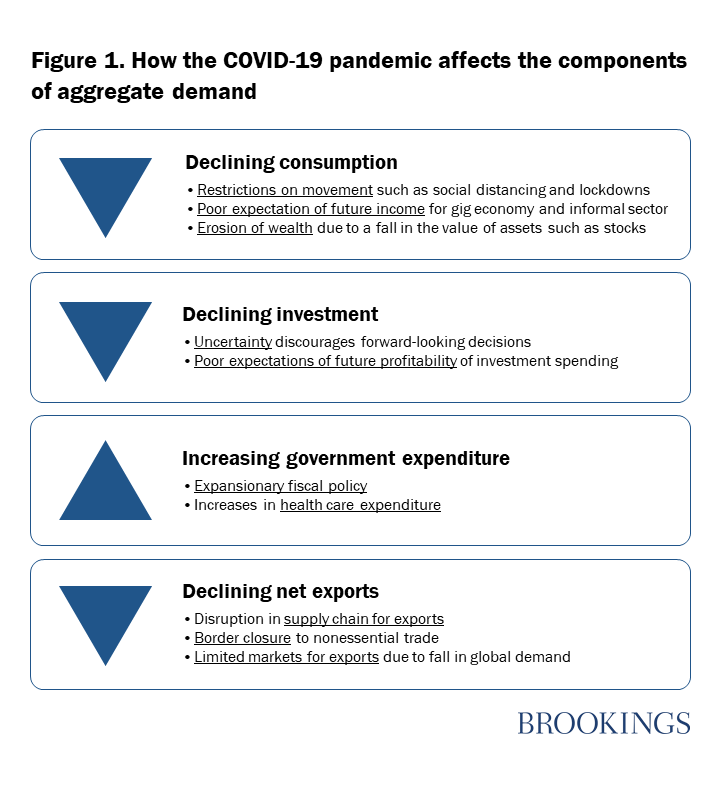
In Nigeria, efforts were already being made to bolster aggregate demand through increased government spending and tax cuts for businesses. The public budget increased from 8.83 trillion naira ($24.53 billion) in 2019 to 10.59 trillion naira ($29.42 billion) in 2020, representing 11 percent of the national GDP, while small businesses have been exempted from company income tax, and the tax rate for medium-sized businesses has been revised downwards from 30 to 20 percent. Unfortunately, the COVID-19 crisis is causing all components of aggregate demand, except for government purchases, to fall (Figure 1).

The fall in household consumption in Nigeria will stem from 1) partial (or full) restrictions on movement, thus causing consumers to spend primarily on essential goods and services; 2) low expectations of future income, particularly by workers in the gig economy that are engaged on a short-term/contract basis, as well as the working poor in the informal economy; and 3) the erosion of wealth and expected wealth as a result of the decline in assets such as stocks and home equity. The federal government has imposed a lockdown in Lagos and Ogun states as well as Abuja (which have the highest number of coronavirus cases combined). Subnational governments have quickly followed suit by imposing lockdowns in their states. Nigeria has a burgeoning gig economy as well as a large informal sector, which contributes 65 percent of its economic output. Movement restrictions have not only reduced the consumption of nonessential commodities in general, but have affected the income-generating capacity of these groups, thus reducing their consumption expenditure.

Investments by firms will be impeded largely due to the uncertainties that come with the pandemic-limited knowledge about the duration of the outbreak, the effectiveness of policy measures, and the reaction of economic agents to these measures—as well as negative investor sentiments, which are causing turbulence in capital markets around the world. Indeed, the crisis has led to a massive decline in stock prices, as the Nigerian Stock Exchange records its worst performance since the 2008 financial crisis, which has eroded the wealth of investors. Taking into consideration the uncertainty that is associated with the pandemic and the negative profit outlook on possible investment projects, firms are likely to hold off on long-term investment decisions.

On the other hand, government purchases will increase as governments, which typically can afford to run budget deficits, utilize fiscal stimulus measures to counteract the fall in consumer spending. However, for governments that are commodity dependent, the fall in the global demand for commodities stemming from the pandemic will significantly increase their fiscal deficits. In Nigeria’s case, the price of Brent crude was just over $26 a barrel on April 2, whereas Nigeria’s budget assumes a price of $57 per barrel and would still have run on a 2.18 trillion naira ($6.05 billion) deficit. Similarly, with oil accounting for 90 percent of Nigeria’s exports, the decline in the demand for oil and oil prices will adversely affect the volume and value of net exports. Indeed, the steep decline in oil prices associated with the pandemic has necessitated that the Nigerian government cut planned expenditure. In fact, on March 18, the minister of finance announced a 1.5 trillion naira ($4.17 billion) cut in nonessential capital spending.

The restrictions on movement of people and border closures foreshadow a decline in exports. Already, countries around the world have closed their borders to nonessential traffic, and global supply chains for exports have been disrupted. Although the exports of countries that devalue their currency due to the fall in the price of commodities (like Nigeria), will become more affordable, the limited markets for nonessential goods and services nullifies the envisaged positive effect on net exports.

WHAT ARE THE POLICY RESPONSES BY THE NIGERIAN GOVERNMENT?

Already, the Central Bank of Nigeria (CBN) has arranged a fiscal stimulus package, including a 50 billion naira ($138.89 million) credit facility to households and small and medium enterprises most affected by the pandemic, a 100 billion naira ($277.78 million) loan to the health sector, and a 1 trillion naira ($2.78 billion) to the manufacturing sector. In addition, the interest rates on all CBN interventions have been revised downwards from 9 to 5 percent, and a one-year moratorium on CBN intervention facilities has been introduced, effective March 1.

With oil being Nigeria’s major source of foreign exchange, amid the steep decline in oil prices, the official exchange rate has been adjusted from 306 to 360 naira. The exchange rate under the investors and exporters (I&E) window has also been adjusted from 360 to 380 naira in order to unify the exchange rates across the I&E window, Bureau de Change, and retail and wholesale windows. Furthermore, the government has introduced import duty waivers for pharmaceutical companies and increased efforts toward ensuring that they receive forex.

WHAT OTHER POLICY RESPONSES CAN BE IMPLEMENTED?

Given the size and scope of the economic impact of the pandemic, there is the need to implement other recovery strategies to stimulate demand. Thus, we recommend the following fiscal and monetary policy measures:

  • Although there is a cash transfer program in place, the federal government should improve efforts towards enhancing the efficiency and effectiveness of the distributive mechanisms to reach households that are worst-hit by the pandemic.
  • The Federal Inland Revenue Service (FIRS) as well as State Inland Revenue Services (SIRS) should waive payments on personal and corporate income tax for the second quarter of 2020, considering that the shock has affected the income and profits of households and businesses.
  • The CBN’s decision to increase the cash reserve ratio (CRR) from 22.5 percent to 27.5 percent in January 2020 should be revisited to provide liquidity for banks so that banks can, in turn, create credit to the private sector.
  • FIRS and SIRS should delay tax collection for the worse-hit sectors including tourism, the airline industry, and hoteliers in order to enable them recover from the steep decline in demand.
  • To provide additional liquidity in the forex market, the CBN should establish a swap facility with the U.S. Federal Reserve and/or the People’s Bank of China, as was done in 2018, to provide dollar and yen liquidity to financial institutions, investors, and exporters. This move would ease up forex shortage in the financial market and economy.
  • While the naira has been adjusted as a result of the forex shortage, it is important that the CBN maintains exchange rate stability by deploying external reserves in order to avoid investors selling off naira-denominated assets.

The COVID-19 pandemic is a wake-up call to policymakers as the unusual and unprecedented nature of the crisis has made it impossible for citizens to rely on foreign health care services and more difficult to solicit for international support given the competing demand for medical supplies and equipment. A more integrated response spanning several sectors—including the health, finance, and trade sectors—is required to address structural issues that make the country less resilient to shocks and limit its range of policy responses. In the long term, tougher decisions need to be made, including but not limited to diversifying the country’s revenue base away from oil exports and improving investments in the health care sector in ensuring that the economy is able to recover quickly from difficult conditions in the future.

This article was first published at Brookings.edu

Read More