Globally, tobacco industry players employ various deceptive and manipulative tactics to interfere with public health policies, promote their addictive products, and target young people, all while attempting to portray themselves as socially responsible.
This article examines how tobacco companies are targeting Africa's rapidly growing youth population by leveraging modern, indirect marketing channels and subverting public health policies through corporate social responsibility and front-group lobbying. It emphasizes the need for African governments to move beyond siloed responses by enforcing comprehensive WHO FCTC measures and adopting data-driven fiscal policies.
For the Global South, addressing these deceptive corporate tactics is essential to protecting public health, alleviating the rising burden of non-communicable diseases, and safeguarding long-term human capital.
While Africa is recording progress in its tobacco control efforts, due to its rapid population growth and its youthful demographic, the tobacco industry has turned its gaze to Africa as its new target market for expansion.
The industry is adapting its tactics, creating a systemic barrier to health interventions through tobacco marketing and policy interference that siloed tobacco control interventions cannot dismantle.
And so, this trend, if not curtailed, threatens to intensify the burden of non-communicable diseases (NCDs) as a result of tobacco use and hinder the development of human capital on the African continent in the coming years.
Therefore, breaking this cycle requires moving beyond reactive measures toward a comprehensive, evidence-based approach, one that aligns with the WHO Framework Convention on Tobacco Control (WHO FCTC).
Understanding the Tobacco Industry’s Modern Influence on Africa’s Youth
Due to the fact that exposure to tobacco marketing is a primary driver of initiation, the industry strategises systematically to move its target customers through an ever-evolving marketing funnel. It does this by creating awareness, cultivating interest into desire, and converting that desire into purchase intention. In Kenya, nearly four in ten adolescents who had experimented with tobacco or nicotine products reported exposure to industry marketing through televisions, videos, or movies.
Due to regulations on Tobacco Advertising, Promotion, and Sponsorship (TAPs) in many African countries, the industry has gone beyond traditional marketing, such as the use of billboards, and increasingly leverages other means to build loyalty to its products. One such way is through influencers with large youth fanbases and communities embodying tobacco products as their personal style to solidify brand affinity with these products. Among Nigerian adolescents aged 10 to 12 who have already tried tobacco, about 4 in 10 say they like tobacco-branded merchandise, whereas for older adolescents between the ages of 15 and 19, that number climbs to roughly 6 in 10. This trend suggests that brand identity appeal matures alongside the consumer.
More so, to attract younger consumers, advanced nicotine delivery systems, such as e-cigarettes (also known as vapes) and heated tobacco products, are designed to downplay perceived health risks. These devices utilise high-tech aesthetics that mimic everyday items such as USB drives or luxury accessories paired with fruit, mint, and candy flavourings. Adolescent smokers consistently underestimate long-term health consequences, such as cancers and mortality, while simultaneously overestimating the social and psychological benefits of use compared to their non-smoking peers.
Affordability and ease of access serve as critical drivers to uptake by younger demographics. The prevalence of products in informal retail sectors, specifically single-stick sales, and the ubiquity of online platforms simplify procurement. For instance, over three-quarters (76%) of South African university students report encountering e-cigarette marketing, with 42% witnessing it directly on or around campus. In Nigeria, products such as shisha are frequently integrated into food menus at recreational venues, and flavoured e-cigarettes are readily purchasable via e-commerce websites. These patterns reveal significant gaps in the enforcement of policies intended to restrict the sale and promotion of tobacco and nicotine products.
The Policy Interference Pathway for Industry Sustainability
The tobacco appeal is not only psychologically geared towards target consumers' perceptions of its product, but it is also institutionally sustained through direct and indirect policy interference.
The rise in tobacco industry interference in Africa, with countries like Nigeria and South Africa deteriorating in performance, highlights a systematic effort by the industry to influence public health policies despite existing tobacco control measures. In Kenya, they also rely on front groups and third-party allies such as hospitality associations and retailers to lobby against regulatory measures on their behalf, allowing the industry to oppose legislation while maintaining a strategic distance from the conflict.
One of the ways the tobacco industry interferes is by positioning its new electronic nicotine delivery systems (ENDS) such as e-cigarettes (also known as vapes) as harm reduction tools useful for cessation to bypass conventional tobacco control legislation. However, emerging evidence raises concerns that e-cigarette use may not consistently support long-term cessation and may sustain nicotine dependence, particularly where products are marketed to young people.
Furthermore, to influence policy from behind the scenes, the industry employs strategies designed to manipulate public perception. One such tactic involves the use of corporate social responsibility (CSR) programmes, such as British American Tobacco Kenya’s (BATK) 2023 Rural Women Development Programme and BAT South Africa’s (BATSA) Emerging Farmers Initiative (EFI), among many others across the continent. These companies try to disguise themselves as ethical and community-focused, but their business practices in Africa clearly contradict that image.
Furthermore, in order to undermine scientific evidence and dilute public health messaging, the tobacco industry funds research that minimises health risks and questions the value of tax increases. For instance, in Ethiopia, the industry leveraged a self-funded independent study in 2018 on illicit trade to argue that tax increases would only further promote illicit trade.
Note: Figure created by the author, Kemi Faith Odesola, based on arguments in "The Tobacco Trap: Countering the Tobacco Industry’s Strategy in Africa".
To effectively manage the influence of tobacco companies, African governments need to change how they approach the problem. Instead of separate, small-scale efforts, policies should connect health, trade, and finance ministries to ensure a coordinated response. A crucial step is following Article 5.3 of the WHO FCTC, which requires governments to protect health policies from tobacco industry influence. This ensures that decision-making remains focused on the public good, rather than being shaped by company interests or narratives designed to distract from health priorities.
When governments rely on clear, transparent data to set tax rates, they can effectively challenge industry claims such as the common argument that tax hikes lead to illicit trade, which is often used to keep prices low. Ethiopia’s recent tax simulation model (TETSim) shows stronger excise adjustments can lead to reduced smoking prevalence, increased government revenue, and improved public health outcomes.
Alongside fiscal measures, strict laws that ban all forms of tobacco advertising, promotion, and sponsorship are necessary to stop companies from making these products seem attractive to the younger generation. Additionally, the enforcement of these laws should be paired with public education that focuses on the real health risks of tobacco. By doing so, governments can counter the industry's efforts to make addictive products appear socially acceptable or "cool" to young people.
Public health systems across Africa also need to play a larger role in helping current users to quit. Primary healthcare services should offer simple, evidence-based support on quitting, as recommended by Article 14 of the WHO FCTC.
Ultimately, understanding the "Tobacco Trap" as an ever-evolving business model that relies on acquiring young customers while working to weaken regulations is critical. This cycle can be broken as policymakers and advocates can leverage data-driven resources, such as the TCDI dashboard, to track key indicators, including smoking prevalence, tobacco industry interference, taxation, policy implementation, and emerging tobacco and nicotine product trends across several African countries. By strictly enforcing the WHO FCTC, African nations can take control of their public health landscape.
According to UNICEF’s 2026 estimates, approximately one in five girls worldwide is married before age 18. This represents about 650 million women and girls alive today who were married in childhood, with more than 12 million girls continuing to enter early marriages or unions every year. Every girl child deserves the opportunity to grow up, complete her education, make decisions about her future, and participate meaningfully in the economic and social life of her community. Yet for millions of girls globally, and across Nigeria, childhood ends far too early. The theme for the 2026 International Day of the Girl Child, ‘End child marriage and invest in girls’ rights', provides a timely and urgent call to action.
For Nigeria, this issue is particularly consequential. Child marriage is not simply a cultural practice. It affects a girl's right to education, health, protection, and the freedom to make decisions about her own future. When girls marry early, they are more likely to leave school, take on responsibilities they may not yet be prepared for, and experience early pregnancy with associated health risks like complications from childbirth. These experiences can shape their opportunities and wellbeing far into adulthood. When girls leave school early, they have fewer opportunities to acquire the knowledge and skills needed to participate fully in the economy. Ending child marriage is therefore not only about protecting girls; it is also about investing in the country’s future. For a country working to reduce poverty, increase productivity, and strengthen its human capital, keeping girls in school and delaying marriage must be a top development priority.
The Scale of the Problem
Evidence from the 2024 Nigeria Demographic and Health Survey indicates that 44 percent of girls in Nigeria, approximately one in three, were married or entered a union before the age of 18; this includes 11 percent of girls who were married before age 15. Additionally, more than 3.7 million women aged 20–24 had married before they turned 18. In absolute figures Nigeria is home to approximately 24 million child brides, representing one of the highest prevalence rates in Africa (see figure 1).
Figure 1:Number of girls and women in West and Central Africa who were first married or in union before age 18
National statistics on child marriage in Nigeria, however, conceal substantial inequalities that exist across the country. Child marriage is particularly prevalent in the northern regions of the country (see figure 2), with approximately 63 percent of girls in Jigawa and Zamfara states and 61 percent in Sokoto and Katsina states married before age 18.
Figure 2:Prevalence of Child Marriage (before age 18) across Nigeria
Furthermore, child marriage disproportionately affects girls from poor households, rural communities and those with limited access to education. Statistics from the child marriage data portal show that child marriage in Nigeria is more prevalent among 48.2 percent of girls in rural areas, compared with 15.6 percent in urban areas. The gap is even wider across household wealth groups, with prevalence reaching 67 percent among girls from the poorest households, compared with 5.5 percent among those from the richest households. Education levels also show a similar pattern; affecting 66.7 percent of girls with no schooling, compared with 12.7 percent among those with secondary or higher education.
These differences show that child marriage, though widespread, is not evenly distributed across Nigeria. It is closely linked to poverty, geographical location, and educational opportunity. Hence, efforts to address it must be targeted and context-specific.
Child Marriage and the Legal Rights of Girls
At its core, child marriage limits a girl’s ability to exercise her fundamental human rights, including her rights to education, health, protection, and participation in decisions affecting her life. UNICEF identifies marriage before age 18 as a violation of human rights and notes that it can interrupt girls’ schooling, limit their future opportunities, and expose them to early pregnancy and other risks.
Poverty, education and child marriage are deeply connected
Child marriage does not occur in isolation. It is often shaped by poverty, limited access to education, insecurity, social expectations and weak social protection. Nigeria's education crisis illustrates just how closely these factors intersect. Girls account for approximately 60% of Nigeria's out-of-school children, and UNICEF estimates that about 7.6 million Nigerian girls are out of school, with half of them living in the Northern region of the country. This exclusion is strongly shaped by household economic conditions: data from UNICEF show that only 9% of girls from the poorest households attend secondary school, compared to 81% of girls from the richest households. These disparities matter for child marriage because being out of school can leave girls more vulnerable to early marriage, while poverty can make remaining in school increasingly difficult for girls.
Research studies have consistently identified education and household wealth as important factors associated with the likelihood of child marriage. For example, a multilevel study using data from the 2024 Nigeria Demographic and Health Survey found that women with secondary or higher education were substantially less likely to have married before age 18. Similarly, girls from wealthier households and those living in communities with higher literacy levels were also less likely to marry early. Recent evidence from Northern Nigeria also reinforces this connection. UNICEF reported in 2025 that the median age at first marriage was 16.6 years among girls with no education, compared to 21.7 years among girls who completed secondary school. The report further stated that child marriage lowers a girl's likelihood of completing secondary education by about 23 percent and if every girl in Northern Nigeria completed primary and secondary school, child marriage could potentially decline by up to two-thirds. This projection is consistent with a quasi-experimental study examining the elimination of primary school tuition fees in eight sub-Saharan African countries. The study found that the prevalence of child marriage before the age of 18 fell by approximately 10 to 15 percent in Ethiopia, Ghana, and Rwanda after tuition fees were removed and girls were given access to quality education.
Therefore, education is not merely an alternative to marriage; it can give girls greater autonomy, skills and opportunities for the future. If Nigeria is to end child marriage, it must also address the conditions that make early marriage seem like a viable option for families instead of keeping girls in school. This is why policy responses to child marriage cannot be limited to awareness campaigns alone but need to include provisions and investments in safe and accessible quality education for vulnerable girls.
The Economic Cost and Social Impact of Child Marriage
While child marriage is considerably a human rights issue and violation, it is also an economic problem. The impact of child marriage and early childbirth on various development outcomes has significant implications for economic well-being (see figure 2). Child marriage profoundly affects in multiple ways the girls who marry early and their children. It causes women to have children earlier and more children over their lifetime than if they had married later. It negatively affects girls’ educational attainment, thereby limiting their future opportunities to compete for well-paying jobs. When a girl leaves school early, she has fewer opportunities to develop the skills and knowledge needed to participate fully in the economy, and Nigeria loses part of the educational investment that has already been made in her. Early marriage and childbearing can also affect her health and limit her ability to engage in paid work.
Figure 2: The Economic Cost and Social Impact of Child Marriage
The economic burden of child marriage is linked to various maternal health and child health consequences. Through early childbirths, child marriage has large impacts on maternal mortality and the health/nutrition of the children of young mothers. In 2019, approximately 3,489 Nigerian girls died from pregnancy and childbirth complications due to child marriage. Nearly 40,000 children under the age of 5 years also died within the context of child marriage. This shows the negative impact of child marriage on maternal health and well-being. Ending child marriage and early childbirths would thus have a relatively positive effect on maternal and under-five mortality rates in Nigeria.
The practice of child marriage also significantly impacts the accumulation of human capital that affects productivity and economic growth. These effects extend beyond the individual girl child, affecting her household, community, and the wider economy. A study by Fang et al. (2024) estimates that Nigerian women who married in childhood earn approximately 12 percent less than they would have otherwise.
These social impacts ultimately generate aggregate economic costs at the household and national level, affecting earnings, productivity, and consumption per capita, while also increasing private and public expenditures associated with health, education, and social protection. The consequences of child marriage thus persist across generations with a ripple effect on the perpetuation of extreme poverty and inequality. However, the gains in earnings and productivity that would have been realised if Nigerian girls were not married off early are estimated at more than $10 billion per year, representing about 2.43% of the country’s GDP. Hence, while economic costs should not be the sole rationale for investment decisions related to child marriage, they should be given significant consideration.
What Will It Take to End Child Marriage in Nigeria?
A successful response must go beyond awareness campaigns or legislation alone. Nigeria needs concrete policies that address economic incentives, strengthen legal protection, and support affected girls:
1. Enhance the accessibility and quality of formal education for girls: Education is one of the most effective ways to delay child marriage, particularly when girls are able to remain in school through secondary education. Federal and state governments should therefore focus not only on expanding access to schools but also on removing the barriers that prevent girls from enrolling, staying, and completing their education. This includes targeted scholarships, school-based social protection, safe and gender-responsive infrastructure, and support for girls transitioning into and through secondary school.
2. Challenge the social norms that sustain child marriage: Parental education and community mobilisation is strategic to changing the social norms that sustain child marriage. Parents, traditional/religious leaders, and other influential community members can play a critical role in shifting attitudes towards girls’ education and the appropriate age of marriage. Government and development partners should therefore support community-led interventions that help families and local leaders understand the value of girls’ education, girls’ rights, and the economic consequences of child marriage. Rather than one-off awareness campaigns, these efforts should be continuous to create sustained dialogue with parents and community leaders and encourage influential figures to publicly support keeping girls in school and delaying marriage.
3. Close the gap between laws and policy implementation: Nigeria has laws in place that prohibit child marriage, but legal protection is only meaningful when those laws are implemented and enforced. Rather than relying on legislation alone, federal and state governments should address inconsistencies and gaps in the existing legal and institutional frameworks and ensure that relevant laws are effectively implemented at state and local levels. In addition, institutions responsible for child protection, including child-rights implementation committees, relevant ministries and agencies, should be strengthened by providing adequate funding, staff, training, and resources. Legal reform should also be accompanied by community engagement and social-norm interventions so that laws are understood, accepted and translated into practice at the community level. Greater coordination across federal, state, and local levels is also needed to ensure that girls’ rights are protected in practice.
4. Provide economic support and incentives for vulnerable girls and their families: For poor households, early marriage can be closely linked to economic vulnerability. Child-marriage prevention should therefore be linked to broader social-protection programmes, particularly for households facing extreme poverty, displacement or humanitarian crises. The government should expand cash transfer programs, livelihood support, school subsidies, and other targeted assistance to help reduce the economic pressures that contribute to girls leaving school. This is particularly crucial in northern Nigeria, where poverty, insecurity and limited educational opportunities overlap with high levels of child marriage.
5. Support and empower girls who have become brides: For girls who have already become brides, there is the need to scale up measures that support and empower them, such as opportunities to continue education, access to quality health care, and protection services so that the negative consequences of child marriage do not extend to their children. Government and development partners should initiate programs that focus on training, building skills, sharing information, creating safe spaces, and developing support networks to equip and empower young girls. Vocational and life skills training to equip girls for income-generating activities and to teach them about health, nutrition, finance, legal awareness, communication, and decision-making is also essential to expand their economic opportunities.
As world leaders meet in New York for the 81st session of the United Nations General Assembly, one question sits beneath many of the debates on the future of multilateralism: are our international institutions and rules still equipped for the world they are now being asked to govern?
The question is not whether international law remains relevant. It clearly does. The more difficult question is whether the system can keep pace with the speed and complexity of change.
The theme of this year's General Assembly, “Restoring Trust, Managing Transformation: A United Nations That Delivers for All”, reflects this exact tension. The agenda includes peace and security, UN reform, development financing, climate change, human rights, artificial intelligence, and the changing international economic order. The President of the General Assembly, H.E. Dr. Khalilur Rahman, has himself described the session as taking place at a moment of profound challenges to multilateral cooperation and a widening trust deficit.
For developing countries, particularly in Africa, these are not abstract institutional questions. They directly affect access to finance, trade, technology, policy space, and representation in the institutions that make decisions affecting their economies.
The answer should not be to discard established rules. It is to make international governance more capable of reviewing, learning, and adapting while preserving legal certainty and accountability.
A System Under Pressure
International trade offers a useful illustration. The General Agreement on Tariffs and Trade (GATT) established core disciplines for trade in goods, while the General Agreement on Trade in Services (GATS) extended the multilateral framework to services. Together with the wider WTO agreements, they created a rules-based system that has provided considerable predictability to international commerce.
But the global economy of today is not the economy of the Uruguay Round. Digital commerce, artificial intelligence, data flows, climate-related trade measures, industrial subsidies, and geopolitical competition have changed the fundamental questions that governments are asking of the trading system.
The WTO's dispute settlement experience is highly instructive. The Appellate Body has been unable to hear appeals because of continuing vacancies, having been functionally paralysed since December 2019 due to blocked judicial appointments. WTO members have recognised the need to address the resulting challenges and have continued discussions on reform.
This is more than a mere institutional problem. Dispute settlement is part of what gives a rules-based system credibility. Rules must not only exist; states must have confidence that they can be interpreted, applied, and enforced through institutions that remain functional. The wider lesson is that international legal regimes cannot assume that yesterday's institutional arrangements will remain adequate indefinitely.
Climate Change Shows the Importance of Learning and Delivery
The climate regime provides a different example. The Paris Agreement does not depend on a single negotiation settling every aspect of climate policy. It incorporates cycles of national action, reporting, review, and the Global Stocktake, allowing parties to assess collective progress and adjust their efforts over time. That is, in essence, an iterative approach to international governance.
But climate change also exposes the limits of adaptation without implementation. Governments can agree on targets, reporting frameworks, and long-term commitments; the difficult question is whether those commitments are adequately financed and translated into action.
At COP29, countries agreed on a new climate-finance goal of at least $300 billion annually for developing countries by 2035, while calling for efforts to scale climate finance from public and private sources towards $1.3 trillion annually by 2035. The significance goes beyond the figures. It illustrates the point at which international law and policy meet economic reality. A commitment that cannot be financed or implemented will eventually become a source of frustration rather than trust.
The same applies to the Sustainable Development Goals. The question for multilateralism is increasingly not whether the international community can agree on another set of targets, but whether countries have the financing, institutional capacity, and policy space to deliver them. The real test is therefore the movement from policy to financing and from financing to implementation.
Africa Cannot Be a Rule-Taker in an Adaptive System
For Africa, reform also raises a critical question of voice. African states have consistently called for greater representation in global decision-making and reforms to an international financial architecture that does not adequately reflect the circumstances and financing needs of developing economies.
This matters because representation and implementation are closely connected. A country has less ability to shape international rules when it has limited negotiating capacity, technical expertise, or access to the resources required to implement what it has agreed.
An adaptive multilateral system must therefore allow developing countries to participate not only in negotiating rules but also in reviewing how those rules operate and determining how they should evolve. That requires targeted investment in African policy institutions, legal and technical expertise, data systems, and regional cooperation. Greater flexibility without greater capacity could simply produce a system in which the most technically and financially powerful states remain best placed to shape the next generation of international rules.
AI Is Testing the Speed of International Law
Artificial intelligence makes this problem particularly visible. AI technologies are developing on a timescale that conventional treaty-making was not designed for. It is structurally difficult to negotiate a detailed international legal regime around technologies whose capabilities and risks may change substantially before the negotiation is complete.
The Global Digital Compact, adopted by UN Member States in 2024, recognises this reality. It calls for international cooperation on AI that is “agile and adaptable” and provides for an Independent International Scientific Panel on AI alongside a global dialogue on AI governance. It also stresses the need for developing countries to build the capacity to participate in and benefit from AI governance.
There is an important legal principle here: adaptability should not mean abandoning established rights or standards. The Global Digital Compact itself places digital cooperation within the framework of international law and human rights. The objective, therefore, should be flexibility in the means of regulation, without instability in fundamental principles.
Towards a More Iterative Multilateralism
These examples suggest that the next stage of multilateral reform should not focus only on creating new institutions. It should also ask whether existing legal frameworks contain sufficient capacity for review and adjustment.
New agreements, particularly in rapidly changing areas, should consider incorporating:
1)Regular and evidence-based review; 2)Mechanisms for updating technical standards without reopening an entire treaty (like established tacit acceptance procedures); 3)Functioning and credible dispute-resolution processes; 4)Meaningful participation by developing countries; and 5)Clearer links between international commitments, financing, and implementation.
This does not require constant renegotiation. Nor does it mean replacing binding rules with voluntary arrangements. It means recognising that international law can be both stable and capable of evolution.
Restoring Trust Through Results
The credibility of multilateralism will ultimately be judged less by the number of declarations adopted than by whether cooperation produces tangible results.
That is perhaps the most important challenge before the 81st General Assembly. UN reform, financial reform, climate commitments, AI governance, and development goals will all have limited value if they remain disconnected from the institutions, resources, and capacity needed to implement them.
For Africa and other developing economies, restoring trust must therefore mean more than being heard in international forums. It must mean having a meaningful role in shaping the rules, access to the financing required to implement them, and institutions capable of translating international commitments into national and regional outcomes.
International law should remain binding, predictable, and accountable. But predictability should not mean permanence, and adaptation should not mean uncertainty. The better approach is a multilateral system that can review what it has agreed, learn from how it has worked, correct what is no longer fit for purpose, and deliver on the commitments it makes.
If the objective of the 81st General Assembly is to restore trust while managing transformation, then the international system must do more than preserve the rules of the past. It must develop the capacity to learn from the present and adapt for the future.
Artificial Intelligence (AI) is increasingly transforming economies, institutions, and governance systems across the globe. In Africa, this shift is unfolding rapidly: governments and private-sector actors are integrating AI-driven technologies into critical sectors such as finance, healthcare, education, telecommunications, security, and public administration as part of broader digital transformation agendas. These technologies offer significant opportunities to improve service delivery, expand financial inclusion, enhance productivity, and stimulate economic growth. Beyond improving efficiency and service delivery, many of these systems are increasingly being used to support or automate decisions that directly affect individuals, including credit scoring in finance, biometric identification, and digital identity systems. However, as AI systems become more embedded in decision-making processes, concerns are growing about the risks of algorithmic bias, unequal access, and the potential exclusion of already marginalised populations from the benefits of digital transformation.
Algorithmic bias is the tendency of AI systems to produce systematically prejudiced or unfair outcomes due to flawed assumptions in their programming, unrepresentative training data, or embedded societal inequalities. Algorithms learn from historical patterns and datasets, and may therefore replicate or even amplify existing disparities, particularly where certain groups are under-represented or excluded.
This challenge is particularly relevant in African contexts, where many AI systems are developed using datasets that may not adequately reflect African languages, cultures, identities, and socio-economic realities. The risks are potentially evident in areas such as language technologies, automated credit-scoring systems, and biometric identification tools, where inaccuracies or unequal outcomes may restrict access to opportunities, services, and resources. Beyond their technical implications, such outcomes raise broader concerns relating to non-discrimination, equality, privacy, and human dignity. As African countries continue to embrace AI-driven innovation, a fundamental question emerges: can digital transformation truly be inclusive if the systems driving it risk perpetuating structural bias?
Understanding the Risks of Algorithmic Bias in African Contexts
The risk of algorithmic bias is particularly relevant in Africa. Many AI systems currently deployed across the continent are trained predominantly on datasets generated outside Africa, often lacking sufficient representation of African languages, cultures, identities, and socio-economic realities. Consequently, these technologies risk reproducing and amplifying existing structural inequalities within African societies
A prominent example is seen in language representation. Africa is home to over 2000 languages, yet AI systems are optimised primarily for a small number of dominant global languages. UNESCO has highlighted the under-representation of African languages in AI training datasets, noting that many widely used AI systems perform poorly in African linguistic contexts. Speech recognition tools, virtual assistants, and translation systems repeatedly struggle to understand African accents, dialects and indigenous languages. For individuals who primarily communicate in their mother tongue, this can create barriers to accessing digital services and participating fully in the digital economy, thereby risk excluding millions of users from the benefits of emerging technologies.
Algorithmic decision-making is increasingly used in financial services, particularly in credit scoring and digital lending systems. Across countries such as South Africa, Kenya, and Nigeria, banks, credit bureaus, and fintech companies rely on algorithmic models to assess borrower risk and inform lending decisions. These systems have demonstrated significant potential to expand access to finance and improve the efficiency of credit allocation. For example, a 2025 study on digital lending in Kenya found that a credit-scoring model developed for a Nairobi-based lender achieved approximately 82.5% accuracy in distinguishing reliable borrowers from potential defaulters, demonstrating the potential effectiveness of algorithmic credit assessment. However, a significant proportion of the continent’s workforce operates within the informal economy, and lacks the formal financial histories on which traditional credit-scoring models rely. Consequently, many economically active individuals remain "credit invisible" or possess thin credit files that do not adequately reflect their financial behaviour or repayment capacity. This mismatch between conventional credit-scoring models and the realities of Africa's informal economies creates a potential risk of algorithmic bias.
Research from the Consultative Group to Assist the Poor (CGAP), a World Bank initiative, shows that algorithmic credit models may produce unfair or discriminatory outcomes where biases exist in the underlying data, model design, or proxy variables. In African contexts, these concerns may be amplified where large segments of the population lack formal financial histories, increasing the likelihood that automated systems will rely on incomplete or unrepresentative information when assessing creditworthiness.
Concerns have also emerged regarding the use of facial recognition technology. Research indicates that several facial recognition systems exhibit significantly higher error rates when identifying individuals with darker skin tones, with error rates reaching as high as 34% for darker-skinned women. This is not a marginal or hypothetical risk for Africa: a 2019 NIST study evaluating facial recognition algorithms across demographic groups found some of the highest false-positive error rates among people of West and East African descent, populations that make up much of the continent. The risk is compounded by how some of these systems have been developed and deployed on the continent: in Zimbabwe, for instance, the government's 2018 facial-recognition partnership with Chinese AI firm CloudWalk involved transferring biometric data on millions of citizens' faces abroad, with little regulatory oversight of how that data would be used or safeguarded. In contexts where facial technologies are deployed for surveillance or law enforcement, often in Africa with weaker biometric data protection, inaccurate identification may result in wrongful targeting and discrimination. These developments underscore a growing concern with significant implications for Africa's digital future: the risk of algorithmic bias and digital exclusion.
Beyond technical errors, these concerns raise broader questions about accountability, transparency, and the protection of fundamental human rights.
Human Rights Implications of Algorithmic Bias
The risks posed by the deployment of a biased AI system raise significant legal and human rights concerns within African states. Algorithmic decision-making systems may affect rights relating to equality, dignity, privacy, freedom from discrimination, and access to justice.
At the international level, the United Nations Universal Declaration of Human Rights (UDHR), a milestone instrument in the history of human rights, serves as a common standard of achievements for all peoples and all nations. It sets out, for the first time, fundamental human rights to be universally protected. The UDHR established the foundational principles of equality, non-discrimination, human dignity, and equal protection before the law. It also established the right to privacy as a fundamental human right. Although adopted long before the emergence of artificial intelligence, these principles remain relevant in assessing the fairness and societal implications of algorithmic decision-making systems.
Within the African context, these protections are reinforced by the African Charter on Human and Peoples’ Rights, a regional human rights instrument ratified by 54 of the 55 Member States of the African Union. The Charter guarantees the rights to equality before the law and equal protection of the law under Article 3, freedom from discrimination under Article 2, and respect for human dignity under Article 5. These rights are particularly relevant where algorithmic systems risk producing unequal outcomes that disproportionately affect certain groups or communities.
For instance, facial recognition systems that exhibit higher error rates for darker-skinned individuals may expose affected persons to discriminatory treatment and unequal access to services. Similarly, algorithmic credit-scoring systems that inadequately account for the realities of informal economies may unfairly disadvantage individuals and small businesses that lack conventional financial histories. In both cases, decisions that appear technologically neutral may, in practice, produce exclusionary outcomes that undermine principles of equality and non-discrimination.
The legal significance of such risks has been recognised beyond Africa. In SCHUFA Holding AG (Case C-634/21), the Court of Justice of the European Union (CJEU) held that automated credit-scoring decisions capable of determining an individual's access to credit may constitute automated decision-making with legal or similarly significant effects under the General Data Protection Regulation (GDPR), including decisions that affect a person’s rights or lead to exclusion of or discrimination against the individual. In doing so, the Court affirmed the need for safeguards against decisions based solely on automated processing, reinforcing the principles of transparency, human oversight, and the right to challenge decisions that materially affect individuals. Although decided within the European Union's legal framework, the judgement provides persuasive guidance for AI governance in Africa.
Algorithmic bias risks also present significant challenges to inclusion. One of the core promises of Africa’s digital transformation agenda is the expansion of access to opportunities, services, and participation in the digital economy. However, where AI systems are developed using datasets that inadequately represent African languages, cultures, and socio-economic realities, certain populations may be excluded from fully benefiting from technological innovation. Such exclusion risks widening existing social and economic disparities rather than reducing them.
Beyond concerns of fairness and inclusion is the question of accountability. Many algorithmic systems operate as so-called “black boxes”, making it difficult for affected individuals to understand how decisions are reached or to challenge adverse outcomes. The absence of transparency may undermine procedural fairness and weaken public trust in institutions that rely on automated decision-making. Accountability therefore requires that AI systems remain subject to appropriate human oversight, transparency obligations, and effective mechanisms for redress.
Privacy is another important human rights consideration in the deployment of AI systems. By their nature, AI technologies rely on the collection, processing, and analysis of vast amounts of personal data, raising significant concerns regarding the protection of individual privacy. Recognising the growing importance of data governance, the African Union Executive Council endorsed the African Union Data Policy Framework in 2022, providing a continental blueprint for the development of trusted, inclusive, and rights-based data ecosystems. Notably, 36 of the 55 African Union Member States have formally requested support from the African Union Commission to develop national data governance policies aligned with the Framework. Despite these developments, weak enforcement of data protection regimes in several African countries continues to heighten the risks of surveillance and misuse of personal data. These concerns are particularly pronounced in the context of biometric identification and facial recognition technologies, which process sensitive personal information and may expose individuals to heightened privacy risks if not properly regulated.
Recognising these challenges, UNESCO’s Recommendation on the Ethics of Artificial Intelligence emphasises that AI systems should be designed and deployed in ways that promote fairness, transparency, accountability, non-discrimination, and respect for human rights. These principles provide an important framework for African policymakers seeking to balance technological innovation with the protection of individual rights and societal interests.
Ultimately, the challenge presented by the risks of algorithmic bias is how AI technologies can be governed in a manner that advances innovation while safeguarding equality, dignity, inclusion, privacy, and accountability. As AI continues to shape economic and social outcomes across the continent, ensuring that human rights considerations remain central to AI governance will be essential to achieving an inclusive and equitable digital future.
Policy Pathways for Inclusive AI Governance
Addressing the risks of algorithmic bias requires the development of governance frameworks that ensure innovation advances alongside fairness, accountability, and inclusion. To achieve this, African governments, regulators, and private sector actors should consider the following policy priorities.
First, strengthen AI governance and regulatory frameworks. African countries should develop comprehensive AI governance frameworks that establish clear standards for fairness, accountability, transparency, and non-discrimination. In doing so, policymakers should adopt AI-specific governance measures that require organisations deploying high-risk AI systems to assess and mitigate potential discriminatory outcomes.
Secondly, African governments and institutions should invest in locally generated datasets that reflect African languages, cultures, identities and socio-economic realities. In doing so, governments should support the creation of high-quality, ethically sourced, and locally relevant datasets through investments in national data infrastructure, research and relevant digital resources. Collaboration among public institutions, universities, civil societies and the private sector is also essential to ensure that datasets are diverse, representative and collected in accordance with data protection and ethical standards.
Third, in line with UNESCO’s Recommendation on the Ethics of Artificial Intelligence, human rights principles should be integrated into AI governance frameworks from the design stage. Fairness, non-discrimination, accountability, and inclusion should form core pillars of African digital governance strategies.
Fourth, individuals affected by automated decision-making systems should be entitled to clear and understandable explanations of how such decisions are made, as transparency is essential to accountability and public trust. In addition, effective complaint and redress mechanisms should be established to allow individuals to challenge decisions that may be inaccurate, discriminatory, or otherwise harmful.
Finally, governments should strengthen the implementation and enforcement of data protection laws to address privacy risks associated with AI systems, while also building institutional and technical capacity. Robust safeguards are particularly necessary in relation to biometric technologies, facial recognition systems, and other applications involving the processing of sensitive personal data
By adopting these measures, African countries can harness the transformative potential of AI while minimising the risks of algorithmic bias and digital exclusion.
Authors: Thomas Van Huyssteen, Clinton Essang, Henry Urama, Carole Djuichou, Folashayo Adeniji, Terefe Gelibo, Winnie Awuor, Tochukwu Okereke
New primary research from the Tobacco Control Data Initiative (TCDI) demonstrates that tobacco and nicotine use is entrenched, uneven, and increasingly shaped by youth exposure, gender dynamics, product affordability, the rise of new and emerging products and weak cessation support.
The appeal is not accidental
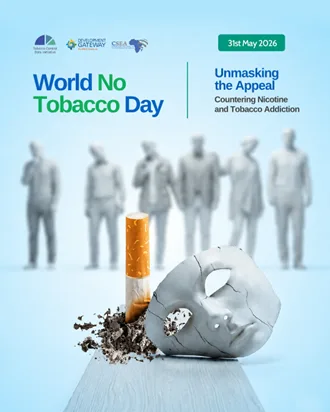
World No Tobacco Day (WNTD) 2026 is anchored on the theme “Unmasking the appeal: countering tobacco and nicotine addiction". This focus is particularly urgent for tobacco control in Africa, where emerging product marketing increasingly targets the youth population. As the tobacco industry aggressively courts a new generation, this theme challenges us to shift the conversation from whether people know tobacco is harmful to a more pressing, systemic issue: Why do tobacco and nicotine products remain so accessible and appealing to young people across the continent despite their well-known health risks and addictive nature?
The TCDI Spot Check Prevalence Surveys (SCPS), conducted by Development Gateway: An IREX Venture (DG) in 2025 across 2 selected provinces in South Africa, Zambia, and the Democratic Republic of the Congo (DRC), offer a practical way to answer this question. These targeted surveys provide new evidence on how tobacco and nicotine use patterns are evolving across different local contexts. While many of the drivers of use are broadly similar across settings, including social norms, accessibility, and structural factors, there are important differences in the extent and expression of these influences. Based on observations from the spotcheck surveys, there appeared to be more similarities than differences across settings, which is consistent with the broader literature.
Across the three countries, the following findings emerged:
Specific communities continue to record high levels of daily cigarette use.
Smokeless tobacco remains the dominant threat in other areas.
Emerging products, such as e-cigarettes and nicotine pouches, are appearing unevenly across settings.
Second-hand smoke (SHS) exposure continues to harm millions of non-smokers.
At first glance, Africa’s tobacco use (9.5% prevalence) looks relatively low compared to the global average, where about one in five adults use tobacco. However, even low prevalence translates into millions of smokers in absolute terms. When you look beyond national numbers to examine sub-national “hotspots”, the reality is jarring. TCDI’s Spot Check findings underscore why timely, local data matters, as illustrated in Figure 1 below.
Figure 1: Tobacco and Nicotine use by Country: Current use among adults aged 15+ in selected provinces
These numbers represent localised snapshots or subnational findings rather than national averages. That distinction matters, but it is far from a limitation. While national data show how widespread a problem is at the population level, subnational data reveal how that problem is distributed across different regions and groups. These findings provide a strategic roadmap, revealing where tobacco control efforts need to be custom-tailored, where enforcement needs stronger teeth, and where prevention and cessation services are most urgently needed before addiction becomes entrenched.
Why Spot Check surveys matter
National surveys remain essential for tracking country-level progress. However, they are resource-intensive, conducted infrequently, and often unable to capture the local social, economic, and behavioural reasons that shape tobacco use. Meanwhile, tobacco and nicotine markets can evolve far more quickly than large national surveys can keep pace with.
Spot Check surveys help fill this gap. By focusing on smaller geographic areas, they can be implemented more quickly and at a lower cost than large national surveys, while still producing policy-relevant evidence. They are not intended to replace large surveys such as the Global Adult Tobacco Survey (GATS), the Demographic and Health Survey (DHS), or the STEPS (STEPSwise Approach to NCD Risk Factor Surveillance). Rather, they are a practical complement, a way to identify local trends, generate proxy evidence for policy discussions, and guide targeted interventions.
The value becomes even greater when quantitative and qualitative evidence are integrated. Quantitative data show the scale and distribution of tobacco and nicotine use, while qualitative findings help explain the lived realities behind the numbers: why people start, why they continue, and why quitting is difficult even when the risks are well understood.
Tobacco use remains entrenched, but the pattern differs by place
South Africa shows a high-burden, mature tobacco market. In the Western Cape, more than four in ten adults in the survey reported current tobacco or nicotine use, while in KwaZulu-Natal the figure was just over three in ten.
Figure 2: Tobacco and Nicotine use in two selected provinces in South Africa, Zambia and the DRC
Cigarettes remain the dominant driver of nicotine addiction in South Africa, and smoking appears deeply entrenched in both KwaZulu-Natal and Western Cape provinces, where roughly 98% of smokers reported smoking daily, indicating that cigarette use is overwhelmingly habitual rather than occasional.
In Zambia, the burden is more geographically uneven. Current tobacco or nicotine use was 25.3% in Luapula, compared with 7.8% in Southern Province, with smokeless tobacco dominating the high-burden areas (i.e., Luapula). This pattern suggests that national or pooled averages can obscure high-burden provinces.
Figure 3: Tobacco and Nicotine use in two selected provinces in Zambia
In the DRC, a similar story unfolds, where Nord Ubangi recorded higher levels of current tobacco or nicotine use than Haut-Lomami (38.9% vs 25.3%). The findings also show a striking divide between smoked and smokeless tobacco. While smoked tobacco use is substantial in both provinces, smokeless tobacco is far more prevalent in Nord Ubangi than in Haut-Lomami.
Figure 4: Tobacco and Nicotine use in two selected provinces in the DRC
These contrasts reinforce a central lesson for tobacco control policy: there is no one-size-fits-all response. Broad, macro-level policy tools such as taxation, enforcement, smoke-free spaces, prevention and cessation are absolutely needed across countries; however, they must be tailored to address local product patterns and the populations most at-risk.
The next generation is already exposed
The WNTD 2026 focus on children and adolescents isn’t just a warning about future risks. TCDI’s latest Spot Check findings suggest that youth exposure and early initiation are already happening. Across the surveyed settings, the findings indicate a concerning trend toward early engagement with tobacco and nicotine, implying that tobacco products are becoming more ingrained in youth social contexts.
In South Africa, initiation occurs early, typically before the ages of 18 and 19, with worrying levels of use beginning below the age of 12 in some cases. In the Western Cape, the average age of initiation falls within the late teenage years. Among young people, aged 15-24, current tobacco or nicotine use was notably high in the Western Cape and lower, but still significant, in KwaZulu-Natal. Qualitative interviews with youth and community members revealed a distinct social cocktail. Tobacco use was linked not only to peer pressure and the myth that smoking is “cool” or “modern”, but also to intense boredom, alcohol use, stress, and a severe shortage of alternative recreational activities for young people. Collectively, these trends indicate that tobacco and nicotine consumption are becoming increasingly normalised within everyday youth social life, hence heightening the probability of prolonged use and dependence.
In the two surveyed provinces of Zambia, the average initiation age for manufactured cigarettes was around 19 years, while the mean age at first use of roll-your-own cigarettes was around 18 and 22 years for urban and rural areas, respectively. In many of these communities, tobacco use appears deeply woven into the social fabric, prompting early initiation among young people. Roll-your-own cigarettes are cheap, easily accessible to minors, and highly normalised, with explicit reinforcement from the behaviour of peers and sometimes even from community leaders. The availability of cheap tobacco products to younger individuals indicates that affordability and accessibility are facilitating early smoking initiation among adolescents and young people.
A similar pattern emerges in the DRC, where tobacco use often begins during early adolescence, roughly between the ages of 13 and 17, well below the legal age for purchasing tobacco products. In other words, there is a clear gap between existing regulations and the realities on the ground, with initiation happening long before young people are legally permitted to purchase tobacco. The data further reveal that average initiation occurs earlier in Nord-Ubangi than in Haut-Lomami. For Congolese youth, tobacco and nicotine use are rarely about image; it is a functional coping mechanism. Participants described smoking as a response to harsh daily realities, including coping with severe stress, reducing fatigue and boredom, staying warm during freezing night vigils, and serving as part of daily work routines. Although the legal age for purchasing cigarettes is 18 years, participants noted that tobacco products remained easily accessible within their communities.
Figure 5: Early Initiation: Why Prevention Must Start Early
Tobacco and Nicotine use often begins well before adulthood.
Figure 6: Why Young People Start Using Tobacco
The implication here is a major reality check for public health: preventing youth tobacco use requires more than simply telling young people that tobacco is harmful. The study shows that initiation commonly occurs in social and everyday environments where tobacco use is normalised, including schools, markets, transport hubs, ceremonies, youth social spaces, bars, homes and peer networks. This suggests that the appeal of tobacco is shaped not only by individual choice but also by social environments, economic realities, and routine exposure. Prevention efforts must therefore focus on the specific settings and situations where initiation occurs.
Emerging nicotine products show uneven uptake and growing public health concerns.
The data further highlighted a growing uptake of new and emerging nicotine and tobacco products (NENTPs). The clearest evidence comes from South Africa, particularly the Western Cape, where current e-cigarette use was estimated at 12.7% in the Western Cape compared with 1.9% in KwaZulu-Natal. A similar pattern was observed for Shisha use, which was higher in the Western Cape (12.1%) compared with KwaZulu-Natal (1.8%).
Although the prevalence of e-cigarette use remains low in Zambia and the DRC, uptake may increase over time due to globalisation and growing exposure to lifestyle influences from high-income settings, including through social media.
Qualitative findings help explain why early action matters. In South Africa, young people and stakeholders described vaping as modern, flavoured, enjoyable, and less harmful. Similarly, in Zambia and the DRC, these products have begun to appear in local markets and social conversations. They are marketed as fashionable, flavoured or “safer” than cigarettes. Therefore, there is a need to strongly enforce regulations before use becomes more widespread.
This reflects the central message of World No Tobacco Day (WNTD) 2026: addiction by design. The appeal of tobacco is not accidental; It is deliberately engineered. To "unmask the appeal" is to expose a highly calculated strategy. Nicotine products do not merely appear attractive to teenagers; they are meticulously designed to look that way. From candy-like flavours and sleek, high-tech product designs to lifestyle branding and targeted social media imagery, every element is designed to hook new users. Peer pressure and social trends further reinforce this appeal, particularly in areas where weak local regulations and lax enforcement allow these products to spread with little oversight.
The increasing use of smokeless tobacco among women needs more attention
Tobacco control messaging is typically designed for broad population reach and is not usually gender-specific, even in contexts where tobacco use is more common among men. The Spot Check findings corroborate existing evidence that tobacco use prevalence is higher among males than females. However, the results also highlight the importance of not overlooking the growing burden among women.
The DRC shows a distinct gendered pattern of tobacco and nicotine use. Women’s current use is higher in Nord Ubangi (NU) (25.2%) than in Haut Lomami (HL) (6.5%), with a similarly higher prevalence of smokeless tobacco in NU (25.2% versus 2.9% in HL). By contrast, cigarette smoking among women remains low in both provinces (3.73% and 5.4%, respectively). These findings suggest that tobacco use among women in the DRC is not mainly driven by cigarettes but more by other forms of tobacco consumption, especially smokeless products, with clear differences across provinces.
The reality in Zambia indicates a different gendered pattern. Men had higher current use overall, but smokeless tobacco in Luapula was concentrated among women: 15.9% of women reported current smokeless tobacco use compared with 2.7% of men. This finding suggests that a cigarette-focused lens can overlook important gender-specific forms of tobacco use.
South Africa adds another layer: stigma. The qualitative findings show that smoking among men is often normalised, while women who smoke may hide their use due to fear of moral judgement. This hidden use can discourage women from seeking support and make cessation services difficult to access.
A gender-sensitive tobacco control response should therefore do more than “include women” in general campaigns. It should address the specific products women use, the stigma that shapes whether they seek help, and the social meanings attached to tobacco use in different communities.
Second-hand smoke exposure makes this a public problem, not only an individual one
Second-hand smoke exposure is one of the strongest areas for policy action because it affects both users and non-users. Across the reports, exposure patterns differ, but the message is consistent: many people are unable to simply “opt out” of exposure to tobacco smoke.
South Africa reported very high exposure in outdoor public places, with 97.1% in KwaZulu-Natal and 89.4% in the Western Cape. Exposure within school environments was also extremely high.
In Zambia, household exposure was also quite high, with 89.3% of adults in both provinces reporting exposure to second-hand smoke at home. Exposure in enclosed public places was also substantial at 42.9%, while outdoor public places and schools recorded lower but still relevant levels.
The DRC reported widespread but comparatively lower levels of SHS exposure than those observed in South Africa and Zambia: 51.7% at home, 27.3% in enclosed public places, 31.5% in outdoor public places and 18.5% at school. Nord Ubangi showed higher exposure at home and in enclosed public places than Haut-Lomami.
These findings reinforce the urgent need for stronger smoke-free policies and more effective implementation across these three countries. Zambia’s recently passed Tobacco Control Bill provides an important opportunity to strengthen implementation and enforcement of smoke-free public places.
In South Africa, the pending Tobacco Products and Electronic Delivery Systems Control Bill could significantly strengthen smoke-free protections by moving toward 100% smoke-free indoor public places and selected outdoor areas. The Spot Check findings highlight the importance of finalising stronger legislation and improving the enforcement of existing protections. In the DRC, existing smoke-free policies cover many enclosed public places and facilities such as health and education settings. However, continued exposure points to the need for stronger enforcement and fuller protection in homes, schools, workplaces and community spaces.
Knowledge is not enough without systems that help people quit
One of the most striking findings across all three country reports is the gap between knowing tobacco is harmful and being able to quit. For decades, public health campaigns have operated on a single assumption: if you educate people, they will quit. The latest data proves that it is not so simple; information alone does not break the cycle of addiction.
In South Africa, knowledge was high: more than 90% of respondents in KwaZulu-Natal and over 86% in the Western Cape recognised that smoking causes serious illness. Yet prevalence remained high, and daily use among cigarette smokers was the norm.
In Zambia and the DRC, awareness was moderate but still meaningful. In Zambia, 73.8% of respondents (68.9% in Luapula and 79.3% in Southern Province) reported that tobacco use can cause serious illness, but they had limited knowledge of specific health risks beyond lung cancer. In the DRC, 72.4% of respondents were knowledgeable about the dangers of tobacco use, while only 51.6% reported being aware of the dangers of second-hand smoking.
The qualitative findings explain why awareness alone is insufficient. In South Africa, the reports describe a “cognitive compromise”: people know tobacco is harmful but rationalise continued use as stress relief, social belonging or cultural practice. In Zambia, participants described perceived benefits such as pleasure, coping, strength, and sexual performance, particularly around traditional tobacco products. In the DRC, participants described medicinal or protective beliefs, routine cues and social contexts that sustain use.
Cessation systems need a complete overhaul. In South Africa, they have completely fragmented the safety net. Quitting services are poorly publicized and financially out of reach for the average person, leaving vital tools like Nicotine Replacement Therapy (NRT) entirely inaccessible to the public-sector users who need them most. Move over to Zambia, and the infrastructure is similarly insufficient. Dedicated cessation services are rare, and the counselling that does exist is often siloed inside mental health departments, often a structural flaw that triggers intense social stigma around seeking help. Compounding the issue, NRT is virtually nonexistent. In the DRC, formal cessation services were largely absent, leaving smokers to rely on informal advice from health workers or local community actors.
This is precisely where the WNTD theme’s focus on addiction becomes so relevant. Countering the appeal of tobacco and nicotine products requires more than awareness campaigns. To save lives, we must transform the act of quitting from a solitary struggle into a system that enables cessation to be realistic, affordable, confidential, and fully supported.
Figure 7: What the findings mean for policy
These Spot Check findings point to six priorities for a WNTD 2026 message:
Conclusion: Unmasking appeal means acting on local evidence
The TCDI Spot Check Surveys show that tobacco and nicotine use are evolving differently across places, products and populations.
In South Africa, the challenge lies in a high-burden market where daily cigarette use remains entrenched, and newer products are rapidly gaining ground. In Zambia, the uneven provincial burden presents a challenge, particularly with Luapula showing higher use and smokeless tobacco requiring gender-sensitive attention. In the DRC, there are high levels of current use in Nord-Ubangi, early initiation, strong patterns of smokeless tobacco use, and an absence of formal cessation support.
The message for World No Tobacco Day 2026 is therefore clear: countering tobacco and nicotine addiction requires more than exposing industry tactics alone. It also means confronting the local conditions that make tobacco use attractive and sustainable, including social acceptance, affordability, easy access, weak enforcement, stigma, and inadequate cessation support.
At the same time, the findings point to a clear opportunity for action. With timely local data, stronger policy enforcement, youth-focused prevention, and accessible cessation support, countries can move from knowing the problem to changing the conditions that sustain it.
These findings should, however, be interpreted with caution. Differences in survey design, scope of the study, product definitions, and product coverage across countries may affect direct comparability. In addition, the growing illicit tobacco trade and rapid evolution of emerging products may mean the actual exposure and use patterns are broader. Nonetheless, the overall direction of the evidence remains concerning and points to the need for stronger and more responsive tobacco control responses.
Acknowledgements
The authors acknowledge the support and contributions of the Tobacco Control Data Initiative (TCDI) team in the development of this blog for World No Tobacco Day (WNTD) 2026. Special appreciation goes out to the country teams and research teams whose work on the Spot Check Prevalence Survey provided the evidence that informed this analysis. These insights generated through the initiative continue to strengthen engagement with evidence-based tobacco control policies across the continent.


 English
 Arab
 Deutsch
 Português
 China