



Reopening Schools for Learning amid Covid-19

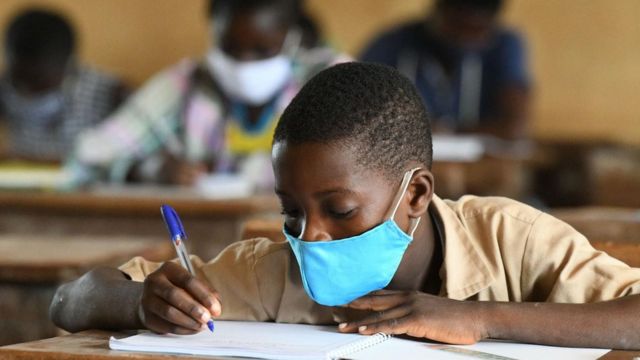
Over the past six months, the coronavirus-induced school closures have limited access to learning for students worldwide, resulting in learning losses that could last a lifetime. In Nigeria, where learning levels were already low, the school closures threaten to completely derail the efforts toward achieving sustainable development goal four (inclusive and equitable quality education for all). With the gradual decline in the incidence of COVID-19 in Nigeria, the government has started implementing a phased reopening of the economy, including reopening schools. In August, many students in transitional grades (Primary 6, JSS3, and SS3) resumed classes to complete their specific grades and transitional exams.

On September 3, the government announced its approval of a phased reopening of schools for all grades, and schools across the country are beginning to grapple with how to reopen safely. As of  September 21, many states, including Lagos, the epi-center of the pandemic, will begin another phase of reopening. In light of the threat of a second wave of the virus and the acute learning losses resulting from the school closures, two factors are key: first, reopening schools in adherence to adequate health and safety guidelines, and second, recovering learning losses and improving upon the pre-pandemic learning levels that plagued Nigeria’s educational system.

REOPENING SCHOOLS

When deciding on the best approach and timing to reopen schools across the country, the Nigerian government faces a tradeoff. On one hand, students returning to schools and childcare settings in greater numbers will allow more families to return to work. This might be especially relevant for communities where lower-income parents cannot afford to forgo work outside the home. However, return to school carries the public health risk of a resurgence of COVID-19 infection among students, staff, and communities. The recommendations below are meant to augment the guidelines released by the federal government to ensure schools reopen safely.  

A Phased Approach

An initial selective reopening of schools, followed by a gradual increase in numbers, will make it easier to keep student groups small and dispersed. Priority for reopening could include factors such as:

  • Specific educational groups such as vulnerable and low-income students who are less likely to be equipped to benefit from remote learning tools launched by the government, and more likely to rely on school for non-academic support, such as school meals.
  • Specific grades, such as pre-primary and primary students who may have a lower risk of infection compared to older students, and require more childcare when out of school. Nigeria has already resumed classes for some transitional grades, where older students may be more prone to comply with social distancing measures and will be able to prepare and write high-stakes exams to move from one level of education to the next.
  • Specific types of schools, where exposure to COVID-19 is reduced due to size, capacity, current enrollment, and the capability to comply with hygiene guidelines.
  • Low-risk geographic areas, based on the progression of the pandemic and trends in the number of new confirmed cases and hospitalized patients.

The phased approach should also include staff. Those at higher risk from COVID-19 due to age or underlying medical conditions should be identified before school reopening and prioritized to stay home.

Guidance for Schools

The following examples should be taken into consideration:

Infrastructure- Section off common spaces and adapt floor markings to direct foot-traffic flows and help students and staff maintain social distance.

Health and sanitation-Remind and train students, teachers, and staff on why, when, and how to comply with infection prevention and control measures such as hand washing, social distancing, and other hygiene measures. 

School scheduling- Divide students into cohorts (i.e. by grade) and assign different cohorts different days to come to school to reduce the overall concentration of students. 

Support for Major Stakeholders

As schools prepare to reopen, the Nigerian government should coordinate with different stakeholders.

  • Engage with parents and teachers to define and clearly communicate roles and responsibilities.
  • Link public health and school authorities to design, communicate, and deploy a set of public health messages and training for school staff, students, and parents.
  • Distribute a “Safe School Reopening Checklist” to facilitate reopening decisions and compliance.
  • Ensure back-to-school strategies are implemented appropriately.

Revamping, Not Recovery: Prioritizing Learning

To address the poor learning levels pre-pandemic, and the learning losses induced by the pandemic, it is imperative to incorporate innovative measures to support and accelerate learning when schools reopen. We draw on the available evidence to highlight five crucial approaches.

  1. Focus on Foundational Learning. This relates to the minimum level of competency required for effective functioning of an individual for higher learning or transition to work. Foundational learning focuses on reading and comprehension (in the language of the learner’s immediate environment) and arithmetic. Typical school schedules and curriculum in Nigeria consist of foundational learning plus other school subjects. However, given the time and learning lost to COVID-19, at least the next two school calendars should place greater focus on foundational learning.
  2. Implement frequent, decision-relevant learning assessments at the school level. As schools reopen, there is a need to know how far behind students are, and how fast they are recovering. Assessments at the school level, rather than large-scale surveys, will equip school leaders and teachers with locally-relevant information.
  3. Leverage school reopening to introduce Teaching at the Right Level. School systems in Nigeria are mostly organized by grades, with teaching targeted at grade or age levels. The Teaching at the Right Level (TaRL) approach centers school organization and teaching on the skill-level of different learners.
  4. Pilot and test tailored blended learning approaches. School closures induced by the pandemic have resulted in a surge in the development and uptake of educational technology around the world. However, geographic barriers have given way to new barriers -- digital divides -- with most schools in Nigeria unable to leverage technology for learning during the pandemic, meaning that students at schools with fewer resources are likely to fall behind. Innovative approaches that are cognizant of infrastructure and knowledge disparities will be crucial during and after the pandemic to ensure a variety of learners can take advantage of in-person and remote opportunities suited to their needs. 
  5. Prioritize the needs of vulnerable students. Given inequalities in learning levels for students that experience various dimensions of poverty and exclusion, it is important to prioritize reopening schools and areas with an overrepresentation of vulnerable populations, including students from low socio-economic backgrounds, rural areas, the Northern region, and students in public schools.

RECOMMENDATIONS FOR THE FEDERAL GOVERNMENT

The bulk of the responsibility for the school reopening recommendations outlined above lies with state governments and private school leaders. However, the federal government can support this effort in a number of areas:

  1. Augmenting state and private sector resources that are already depleted due to the COVID-19 shock, and allowing state governments more flexibility in spending their subvention from the Universal Basic Education Commission (UBEC).
  2. Being flexible with curriculum standards, so that content fits with local needs and realities.
  3. Sharing knowledge and learning on successes and failures in the Nigerian context, to be better prepared in the event of a second wave.
  4. Setting in motion key directions for the long-term restructuring of Nigeria’s education system. The pandemic has made clear that technology is crucial to the education system going forward. It is imperative to integrate digital education and technology into the school system and expand curriculum from the conventional 3Rs (writing, reading, and arithmetic) to a curriculum that is cognizant of the realities of the modern world.

Click to download the PolicyBrief by IDInsight and CSEA

Read More

Strengthening International Cooperation in the time COVID-19: A Perspective on African- China Relation

The past three decades have been defining moments in human history. More than 1 billion people have been lifted out of poverty and humanity has rallied around a common purpose contained in the Millennium Development Goals and later Sustainable Development Goals. Global trade at about 59% of the world’s GDP in 2019, has enabled both developed and developing countries to tap into the global supply chain and spurred shared prosperity. This progress has deepened the existing development compact in the North South Cooperation, while producing new ones like the South South Cooperation (SSC), a modality for knowledge and development solution sharing among developing countries.

Then COVID-19 strikes and now threatens this significant progress.  As at 28th   May, 2020, more than 5.9 million have been infected, with about 350 thousand deaths. For the first time in more than three decades, poverty headcount is expected to increase this year. Many countries will experience recession or even depression and global trade is expected to decline. This puts development cooperation at a crossroad as to whether to be strengthened or dampened. In this piece, we make a case for strengthening development cooperation at this critical juncture amid COVID-19. We illustrate the beneficial effect of international cooperation from the lens of Africa- China relation, which is couched in the SSC ideas of equality and mutual benefit. While COVID- 19 crisis could affect international cooperation and disrupt prevailing global order, it is crucial to ensure no negative effect on the SSC, given susceptibility of many developing countries to adverse economic shocks. The SSC as demonstrated in the Africa-China relation is key to economic recovery and achievement of the sustainable development goals of leaving no one behind.

Before COVID-19 (BC): The good old days

Diplomatic and economic relations between Africa and China have been growing strongly over the past years. While several factors are driving this relation, it tends to reflect a two-way dynamic and symbiotic engagement for economic development. Africa has recorded about 24years of continuous growth and sustained poverty reduction in part driven by expanding export opportunities to the global south, while China development miracle benefited from natural resources from other developing countries.

In 2018, the value of China-Africa bilateral trade reaches $185 billion, which represents more than 16-fold increase from 2002. By comparison, the value of US-Africa trade in 2018 stood at around $61 billion. Although trade balance is skewed in favour of China export to Africa, it remains a win- win situation with access to quality and varieties of products. In addition, China through its Accessions Programme for Least Developed Countries (LDCs), which entails capacity building and special funding, has ensured trade facilitation and strengthened the participation of many Africa countries in the World Trade Organization activities.

Another important dimension in the Africa-China relation is in the area of development assistance. The conventional wisdom tends to view relations among countries in the global south as limited to knowledge sharing. However, China and many other developing countries have scaled up their engagement to include financial modalities in form of project and programme aids. For example, the share of China’s development assistance between 2000 and 2014 is estimated at about USD354.3 billion, which exceeded the contributions by the majority of the OECD countries over the same period.

Similarly, through the ambitious Belt and Road Initiatives, China’s infrastructure support to African has expanded. Overall, 40 African countries have signed on to the strategic initiatives for large infrastructural projects to reduce the infrastructural gaps and lower trading costs. For Africa, this could support regional integration efforts that require greater connectivity across countries and lower barriers to intra-regional trade.

To be clear, the Africa-China relation is not without its challenges, especially in terms of technology transfer, debt, and displacement of the local manufacturer base. However, the creation of engagement platforms like the Forum on China-Africa Cooperation (FOCAC) provides opportunities for deliberation and regular evaluation to address those challenges.

COVID-19: Testing our resolve

The COVID-19 pandemic is threatening to reshape international cooperation in many fundamental ways. According to the International Monetary Fund (IMF) forecast, African economy is expected to decline by 1.6% in 2020, while China’s economy will slow down to around 1.3%, the lowest growth in over four decades. This is already manifesting in lower trade relations as China-Africa trade fell by 14% in the first quarter of 2020[1]. Prolonged crisis will worsen this trade and growth, reversing some essential aspects of Africa-China cooperation.

The disruption of the global supply chain is another area that aftershocks of the pandemic might affect international relations. Nationalists see the crisis as an opportunity for deglobalization and protectionist policies. For developing countries, the global supply chain has positively improved their participation in international trade, greater exposure and adoption of advanced technology and promoted industrialization and high economic growth in recent years. Without international production fragmentation, the income gap between developed and developing countries will have widened and the tremendous progress made in poverty reduction could not have been achieved.

While Africa has not been substantially integrated into the global supply chain, it has indirectly benefited from global demand for more inputs and natural resources. Moreover, the African industrialization plan is built on upgrading strategy from low to high-value added activities. Given that China’s development trajectory also follows this trend, there is a lot that Africa can learn through international cooperation. However, the COVID-19 pandemic could halt this engine of growth, pushing the world into a past and unproductive period of autarkic states.                                                                                                                         .

Tough time never last but tough ‘relation’ do

The COVID-19 is a test of robustness of the present architecture of international relations. While the weakness in the North-South cooperation is revealed in terms of imbalance of power, the strength of south-south cooperation is revealed with emphasis on coordination rather than competition in responses. For Africa, the crisis illustrates the need for greater regional integration and stronger collaboration with countries in the global south. Africa-China relation is built on the principle of mutual benefits, non-conditionality and horizontality and equality, which are core attributes needed to fight and speedily recover from the COVID-19 pandemic. These principles can aid economic recovery in the following ways.

  1. Coordination on recovery efforts: China experience with fighting COVID-19 virus in rural and among vulnerable populations needs to be widely shared with developing countries with similar conditions to effectively curb the spread of the virus. Coordination in economic responses is also crucial, such as through debt sustainability for highly indebted countries. Given the shock to demand in many countries and the resulting foreign exchange shortages, barter exchange and other modalities can be adopted between China and African countries.
  2. International coordination on epidemic prevention and control: More interdependencies among nations mean any disturbances anywhere can spread globally. Building a strong epidemic prevention and control is needed in the post-pandemic era. However, such a system should not be limited to coronavirus alone, but to any other potential risk to international cooperation.
  3. Greater integration of Africa into the global value chain: As part of rebuilding efforts, China- Africa relation needs to shift more towards greater linkages of Africa into the global value chain. The relation can only be sustained when benefits are fairly spread.

This article was first published here

Read More

The Impact of COVID-19 on the Poor and Vulnerable in Kenya

The COVID-19 has now spread to every country in Africa, as of August 28, 2020, there are 1,220,511 confirmed infections, 28,850 deaths, and 953,643 recoveries across the continent. In Kenya, so far, there are 33,389 confirmed cases with 567 deaths. The first coronavirus case in Kenya was reported on March 13, 2020, and since then the Kenyan government has taken some measures to curb the spread of the virus by closing schools, airports, churches, mosques, restricting public gatherings, imposing curfews and restrictions on movement around the country.

Although it helped slow down the spread of the virus, these mitigation measures also caused some challenges to the poor and vulnerable groups. The majority of Kenyans are working in the informal sector, which accounts for 83.6% of the total employment in 2018.

In May 2020, Kenya National Bureau of Statistics conducted a survey that shows that Kenya's labour participation rate has drastically decreased due to COVID-19.

This reduction in labor participation rates due to job losses have resulted in a loss of earnings which in turn led to shifts in the habits of food purchases as very poor households are only buying very basic food.A new survey by GeoPoll shows that 86% of Kenyans are worried about not having enough money to purchase food.

Also, poor people are having a hard time meeting their everyday expenses and paying bills such as rents, and according to Kenya National Bureau of Statistics survey 30.5% of Kenyans who are renting apartments and houses cannot pay their rent.

On March 15, 2020, the Kenyan government announced that schools and colleges would be closed across the nation and that online learning or technology-mediated learning on TV, radio, and mobile phones should be adopted.

However, this causes a big challenge for students in rural villages due to lack of internet connection, electricity as well as electronic devices such as computers, laptops, and smartphones which in turn makes online learning not accessible for students in marginalized communities.

Furthermore, school closures have also affected students who depend on the school feeding programs as their primary source of food. The strict measures imposed by the Kenyan government to fight COVID-19 have negatively affected women and girls as gender-based and sexual violence have increased significantly.

For instance, the calls to national helplines reporting domestic violence incidents have increased from 86 calls in February to 1108 calls in June. In addition, many girls are engaging in transactional sex in order to be able to buy food as many families have suffered from an income loss. This has increased the number of teen pregnancies whereas there have been more than 4000 pregnancy cases just in one county since schools closed in March.

Furthermore, some regions have reported that hundreds of girls have been subjected to female genital mutilation and child marriages. In addition, night curfews present some challenges to pregnant women as they have struggled to find transportation to hospitals.

There has been an incident where a driver who was taking a woman in labour to give birth in a hospital during the curfew has been stopped by the police and beaten brutally. The pandemic has also effected the refugees as there are thousands of refugees in Kenya who live in overcrowded spaces with little access to clean water and hence this makes it very difficult for refugees to practice social distancing and regular hand washing.

For instance, in the Kakuma Refugee camp and Kalobeyei Integrated Settlement, which have 196,666 refugees, social distancing is not an option as many households live near each other. The nationwide evening curfew has negatively impacted shopkeepers in Kakuma Refugee Camp because their most busy hours are usually between 7 pm and 9 pm.

As in the rest of the country, schools in Kakuma are also closed, but remote learning is not an option due to the lack of access to electricity, electronic devices as well as a poor learning environment due to overcrowded homes. Furthermore, due to the restricted movement imposed on refugees, they cannot travel to nearby towns to access remittances, which are vital for their survival.

The measures taken by the Kenyan government to support the poor and vulnerable during the COVID-19 pandemic though being useful, however, it has not fully considered the households with the lowest income. The Kenyan President provided a fiscal stimulus package to support Kenyans living below the poverty line. This package includes a 100% relief on income taxes for individuals whose monthly income is less than 24,000 Kenyan Shillings (225 US$).

Furthermore, the income tax rate has been reduced from 30% to 25% and turnover tax rate has been reduced from 3% to 1% for all micro, small, and medium enterprises while value-added taxes (VAT) has been reduced from 16% to 14%. These tax cuts might help businesses from collapsing, and increase the disposable income for individuals, hence boosting domestic demand and consumption. In addition, 10 billion Kenyan Shillings (93 million US$) has been devoted to supporting the elderly, orphans, and other vulnerable groups in the form of cash transfers. The government has created a COVID-19 Emergency Response Fund of 2 billion Kenyan Shillings from the recovered corruption proceeds to support the most vulnerable groups in these uncertain times.

The Central Bank of Kenya in collaboration with Safaricom (telecommunications provider) has waived mobile money transaction charges and increased daily limits for mobile transactions so that to encourage more people to send and/or receive money and to reduce cash handling in order to curb the spread of the virus. The Kenyan government has also developed an Education Emergency Response Plan to ensure continuity of learning in the short, medium, and long term. In the short term, it ensures the continuation of learning through remote learning programs while in the medium term, it will help students who had fallen behind in their studies to catch-up. In the long term, it focuses on improving the education system in Kenya so that it can be able to deal with risks and pandemics more smoothly in the future.

Regarding the spike in the cases of gender-based violence, the president ordered an investigation into these cases and the immediate prosecution of all criminals. However, refugees are not eligible for all the Kenyan government's support measures due to their legal status.

Overall, the Kenyan government has taken reasonable measures to support the poor and vulnerable groups during this pandemic. However, many people who are in dire need of this support do not receive them. The various tax cuts that have been announced by the Kenyan government will only benefit a small percentage of Kenyans who pay taxes, but it will not be helpful for the majority of the population that relies on informal and agricultural jobs. The reduction in VAT is not beneficial for poor households since they either suffer from a reduced or a loss of income, a better policy will therefore be to abolish VAT on essential goods.

Also, the 10 billion Kenyan Shillings that have been devoted to supporting vulnerable groups will need to be increased and should cover more groups. However, Kenya cannot fund more significant fiscal intervention due to its' very limited fiscal space and high public debt. Also, due to high corruption in Kenya, the government should be transparent and held accountable for using these funds to ensure that they end up benefiting the targeted groups and not in the pockets of corrupt leaders. Furthermore, these policy responses might not have helped the vulnerable groups due to the lack of a clear framework and good quality data to identify the most vulnerable.

All in all, the Kenyan government should work more on strengthening their social welfare programs, connecting more households to electricity, ensure access to clean water to everyone in the country, invest more in the education and health sectors as well as other basic needs that are crucial for improving the living standards of Kenyans and ensuring that they handle future risks and pandemics more smoothly. Furthermore, besides local efforts, support and aid from the international community are needed and debt relief.

This article was written by Dara Salih, Research Intern at CSEA

Read More

Prospects for Building Fiscal Buffers to Manage Unprecedented Shocks in Nigeria

The outbreak of the Coronavirus (Covid-19) pandemic was accompanied by an unprecedented shock, with colossal impact on economic activities worldwide. One of the major effects is the global economic lock-down implemented to curb the widespread of the pandemic.  Nigeria as an oil-dependent nation, also experienced an external shock as a result of the oil price crash. The combination of these twin shock (covid-19 pandemic and oil price shock) worsened the scenario in Nigeria. For instance,  government forecasted a decline in oil revenue flow from 5.5 trillion Naira to 1.1 trillion Naira in 2020. Thus, due to these shocks, Nigeria is faced with a sudden fiscal crisis combined with other colossal effects. The effect of these twin shocks will vary across countries due to a number of factors among which the quality of fiscal space will be crucial.

Over time, Fiscal buffers have proven to be indispensable in enhancing macroeconomic resilience to external shocks by preventing them from plunging into financial strain. Meanwhile,  the Excess Crude Account (ECA) was created in 2004 in order to save excess  of the budgetary benchmark that will be generated from the sale of crude oil account. It was created to serve as an absorber of shocks caused by oil price volatility with the aim of protecting Nigeria’s budget from unprecedented shortfalls.

The ECA also serves as a buffer for public expenditure from being distorted by business cycle or waves, triggered by international oil markets. Since its inception (2004), the ECA has been taking an ascending trend until 2010 when it declined due to the financial crisis of 2007-2009. As at April 2018, the ECA account stood at $1.8 billion which declined to $324.9 million as at January 2020. It became quite daunting as the account deteriorated and further slumped to $71.8 million dollar within the range of 5 consecutive months (January 2020 – May 2020). Notably, the depletion of the ECA has a ripple effect on the economy, as it reflects not only the absence of funds that will serve as a buffer to another wave of recession, but also intensifying Nigeria’s economy, making it more vulnerable to external shocks.

Consequently, some loopholes were identified with the running of the ECA, which includes; lack of transparency and non-legal backing. Hence, in  2011, the Sovereign Wealth Fund (SWF) was created to amend the disagreements surrounding the ECA. The SWF comprises three categories of funds with visibly stated objectives. They include; the stabilization Fund, the Future Generations Fund as well as the Nigeria Infrastructure Fund. So far, Nigeria has invested only $2.53 billion in the SWF between 2012-2019. While the Stabilization fund of the SWF serves the same purpose with ECA, only 20 percent accounts for the fund, while the future generation fund and Nigeria infrastructure fund justify the remaining 80 percent. As at December 2019, the Stabilization Fund which ought to serve as buffer to economic shocks was reported to have only $351 million. However, in April 2020, a withdrawal of $150 million was granted by the federal government to  serve as a supplement to the government’s Federation Accounts and Allocation Committee’s disbursements for allocation to the 3 tiers of government. This brought down the balance of the SWF to the total amount of $201 million, a far cry from $0.5 billion.

Furthermore, Nigeria’s growth rate is forecasted to plunge to -3.4% in year 2020 which by indication is worse than the growth rate of -1.6% when Nigeria experienced recession in 2016. The bottom line is the nation is distressed with a double shock from Covid-19 pandemic as well as dwindling oil price. This scenario was more aggravated by the fact that the buffers that were created to absorb these forms of shocks have not been effective. While the ECA is faced with a hitch of depletion, the SWF is faced with problems of low savings. Accordingly, the World Bank stated that, “External balances are fragile to hot money movements, and fiscal buffers are exhausted, making Nigeria’s economy vulnerable to external risks”. Therefore, the absence of a strong buffer to these shocks will only push the economy to another wave of recession with a more difficult recovery path. As a result, the prevalent scenario will continue to constrain the budget envelope, consequently limiting its fiscal space.

Building Fiscal Resilience: Some Policy Suggestions

The incidence of these scenarios – the Covid-19 pandemic and the plunge in crude oil price underscores the need for government to look inward to build more fiscal resilience or fiscal buffers that would absorb any unprecedented shocks.  Many countries around the world, including Nigeria, are now faced with massive instability, and if a next wave of recession hits the global economy, most countries will not be able to recover without sufficient buffers.  

It is therefore imperative for Government to take a deep look at how to save and invest more in critical infrastructure that will generate substantial revenue. The following are viable solutions that can help build fiscal buffers and economic resilience in both the short and long term.:

Prudent Management of Funds

There are criticisms surrounding the use of the ECA funds in particular. Its lack of legal support and proper structure has made it subject to urgent and inadequate withdrawals. Likewise, the ECA does not have sufficient debit and credit records as well as conforming withdrawals or approvals for these withdrawals This has mandated the incorporation of the ECA with the SWF since the latter has covered the identified loopholes of ECA and is doing even better despite meager funds under its authority.  The accounts should be treated prudently, of the utmost importance. Withdrawals of funds should be restricted and made only exigent reasons such as the recent economic situation.

Ultimately, the federal government needs to look inward and adopt a more judicious spending regime, improve efficiency to guard against waste and deploy more technology, it is often cheaper and innovative, so it can generate new opportunities.

Structural Reforms

Fiscal reforms are of paramount importance in this situation. The government needs to intensify and embrace structural reforms to build an efficient institutional and policy framework to manage the volatility of fluctuations in the oil sector fluctuations, in order to sustain the growth of the non-oil sector. More importantly, unwavering reforms that have a significant impact on the trajectory of the economy, such as the removal of subsidies, elimination of forex and trade restrictions, greater transparency and predictability of monetary policy and increased domestic revenue mobilization should be put in place. These Structural reforms will attract private investment, given that private investment serves as an engine growth for the economy as well as a good fiscal stimulus, and will therefore stand as good resilient in absorbing shocks. In 2019, Nigeria  ranked 131 among 190 economies in the Ease of Doing Business. This result is quite daunting looking at the prominence of business in an economy.  As a stabilizer of many macroeconomic variables as well as a driving factor of the economy, it becomes very vital for government to vigorously implement responsive policies to support the expansion of businesses.

Intensify Economic Diversification

The recent events in the Nigerian economic performance especially the effects of  the twin shocks re-echoes how important it is to diversify the Nigerian economy .Economic diversification has unlimited potentials to increase Africa’s resilience to external shocks as well as influence the attainment of its economic growth and development. Although, some actions have been taken to diversify the Nigerian economy from excessive dependence on crude oil to development in the non-oil divisions, Nigeria is still inexperienced as far as diversification is concerned. This is because it is not enough to invest in a particular sector and abandon it.  There is a need for constant follow up and the formulation of appropriate policies in place to ensure that the sector develops to a desired point.

Read More

Assessing Africa’s digital response strategy to Covid-19

Digital technologies have proven to be a crucial factor in the fight against covid-19, and response strategies to reduce the social and economic impacts of the pandemic. With the restriction in human interaction and closure of international borders to curtail the spread of the virus, usage and reliance on digital platforms has become the only medium of human interaction and economic transaction to mitigate and minimize the disruptive effect from the covid-19 virus. While the scope and scale of digital usage varies across countries based on extent of digitalization, some form of adoption of digital systems are witnessed in every country, including Sub-Saharan Africa countries with the lowest internet connection.  

Like every other part of the world, digital economy plays four critical roles in response to COVID-19: surveillance, sensitization, social welfare intervention and substitution. These are couched as 4Ss as discussed below:

  • Surveillance: Although the reported number of covid-19 cases are relatively low on the African continent, the pandemic has created a need to efficiently and promptly track and trace persons who might have been exposed to identified carriers of the virus, to curb further infection. At a regional level, the Africa Centres for Disease Control and Prevention, an umbrella body, provides intelligence support and cross border monitoring for member countries of the African Union. Countries within the region have also resorted to relying on a combination of different digital applications, call records and software for contact tracing. Some examples include; SORMAS which is used in locations in Nigeria and Ghana, COVI- ID solution deployed in South Africa, and a mobile tracing app used in Uganda. In addition, digital platforms have been helpful in enforcing compliance with social distancing regulations and reporting cases of default.

  • Sensitization: Digital platforms have also been instrumental in creating awareness and sharing information about symptoms, preventive measures, personal hygiene, and other health and government advisory related to the pandemic. African countries have adopted a wide range of media in disseminating information to citizens. For instance, South Africa set up an interactive WhatsApp chat service in various local languages to respond to general queries about covid-19. A free online tool is available to Nigerians to assist in self-assessing health risk category based on users’ symptoms and travel history, and this helps reduce unnecessary calls to the disease control hotlines. Also, other means of digital communication such as government websites, social networks, mass text messages, radio and television jingles, have been adopted across the continent during this period, to ensure citizens are constantly informed.

  • Social welfare delivery: Livelihoods have been negatively impacted due to the effect of reduced economic activities, especially for vulnerable individuals and those operating in the informal sector who have suffered job loss, and their savings are inadequate to cater for such an unexpected event like the pandemic. Therefore, African states have had to expand or introduce new social protection programs to provide relief in various forms to affected citizens, ranging from tax breaks, to fund transfers, food banks, extended loan repayment periods, interest rate freeze, and so on. Although some countries adopted cash-in-hand relief payments, digital channels have been quite popular in distributing stimulus packages, in order to minimize queues and comply with social distancing rules. Countries such as Togo, Malawi, Zimbabwe among others, have offered intervention funds which can be accessed through mobile banking or online platforms.

  • Substitution: The disruption in daily activities has triggered the use of digital alternative measures to cope with the changing landscape. Some of these substitutes include working from home, increase in online grocery and food shopping, education delivery using e–learning platforms and other digital channels, legislative and government functions conducted via teleconferencing, medical check-up through virtual consultation, increased reliance on social media as means of interacting and connecting with friends and family, and so on. All of these digital alternatives have been used across African countries.

Weaknesses and gaps in Africa’s digital economy exposed

While the renewed importance of the digital economy offers opportunities for Africa, it however has its downside. The level of misinformation spread through social networks has been alarming, and difficult to curb, thereby posing a real problem to governments and health officials across the region during this period. The effect of such cases of false news has been far-reaching, creating public distrust and making some citizens doubt the severity of the virus, while some others have erroneously consumed harmful products touted as cures for covid-19.        

In addition, the transition to dependence on digital technologies threatens to cause further exclusion as not all citizens are able to leverage digital alternatives in combating the impact of the pandemic. There are reported cases across the region of uneven access to digital services for educational needs, business operations, and so on. A number of factors are responsible for the digital gap within the continent:

  • High costs: Due to high incidence of poverty, a significant proportion of citizens are unable to access the internet because they cannot afford data charges and expensive smart devices. Based on the 2019 report on the state of broadband published by United Nations Educational, Scientific and Cultural Organization and International Telecommunication Union, the cost of 1GB of data for the poorest 20% of Africa’s population is equivalent to almost half of their monthly income. As a result, the proportion of Africa’s population that use the internet is significantly lower than the global average.

  • Poor digital skills: Africa has a low literacy rate and this has an impact on digital competencies of its citizens, thereby limiting digital usage. Individuals who operate in the informal economy and earn income on a daily basis such as petty traders, subsistence farmers, pastoralists, artisanal miners, among others, have been severely impacted by recent changes in daily activities, but are unable to adapt business operations due to limited education and lack of digital skills, as well as other factors. An estimated 85.8% of Africa’s workforce operate in the informal sector and rely on physical interaction for their livelihood.

  • Poor broadband penetration: According to the United Nations Economic Commission for Africa, rural and remote communities within the region are grossly underserved with low levels of broadband connectivity. The World Bank also estimates that about 100 million Africans live in areas without mobile networks. This trend can be explained by the fact that investments in broadband and mobile networks tend to be targeted at profitable urban regions with substantial economic activities rather than less commercially viable rural areas. Also, due to inadequate telecommunications infrastructure, certain regions even in urban areas although connected, have suffered from unreliable broadband coverage during the lockdown, thereby limiting access to the internet.

  • Lack of digital identity: Digital identification is usually used to verify an individual’s identity online and often linked to official or legal forms of identification, biometrics and other online personal information or activities.  However, approximately half of the continent's population do not possess government issued identification nor digital profile, thereby restricting access to entitlements for which a means of identification is a prerequisite, such as accessing relief packages, public services, financial services and so on during the lockdown.

The above constraints have ripple discriminatory effects on daily life, schooling options, means of livelihood for micro and small businesses, access to welfare funds, and so on. For instance, it could worsen pre-existing inequalities in the region’s educational systems, as vulnerable students in public schools are more likely to experience difficulty in accessing digital learning due to lack of digital infrastructure, broadband connectivity and digitalized teaching content.

Urgent need for data governance and greater inclusion

Data gathering and information sharing continues to be an indispensable part of research to curb the spread of the virus, monitor its impact and finding preventive or curative medicine. However, with more data flying across the web, the risks of data breaches and human rights violations have become more visible. In the months following the lockdown, there have been several reports in various African countries on dangers of digitalization in relation to hacking, financial fraud, disinformation, exploitation of youths, among others. Even before the pandemic started, the African Union had estimated an annual loss of $3.5billion from cybercrimes across the continent. Although free flow of information across the region is essential at this period, and for long-term regional cooperation and integration plans like the African Continental Free Trade Area, it is imperative to promote a trustworthy mechanism that ensures protection of citizens civil rights.

This problem underscores a need for comprehensive data governance to support rising digital economy in Africa. If effectively implemented, data governance can address challenges in the areas of privacy, misinformation and alignment of cross-country data regulation to curb cybercrime among other concerns. A report by the Centre for International Governance Innovation reveals that most African countries are yet to enact laws and regulations for digital data protection and security, and for the few countries that have existing data governance structures, these structures are either not fully operational or not up to global standards required to ensure real digital transformation. Effective data governance has therefore become increasingly important at both national and regional levels.

The African Union recently issued a digital transformation strategy for the next ten years (2020 to 2030), which provides policy recommendations for improved data protection to be implemented by member states. Still, a lot more work is required. National data governance frameworks need to define responsibilities and ownership of data assets, specify processes for mitigating data infringement, ensure accountability, integrity, transparency and stewardship, safeguard data privacy and security, protect human-rights and empower citizens to make informed decisions regarding data sharing, discourage unfair practices, while still facilitating free flow of information for innovation and growth of the digital economy. Technologically driven innovations should be encouraged while having regulations that mandate responsible data collection and usage. A policy regime that is thorough, yet flexible, such that it promotes creativity.

Therefore, policy reforms and digital infrastructure investment drive bordering on data governance and digital inclusion are necessary as Africa, and indeed the world gradually readjusts, and recovers from the effects of the pandemic. African countries need to collaborate to ensure all citizens have reliable and secure digital access in order to be competitive in the new economy. Public/private partnerships and investment might be the way forward to ensure inclusion of underserved rural communities. As we embrace international or cross-border integration, data privacy and localization laws are essential. Also, data localization presents a viable tool for governments to exercise control and partake in the value associated with data generated within national borders. Overall, this calls for the right balance in order not to be too restrictive and discourage integration.

Read More