

Blog

Why Mother-Tongue Instruction Remains Elusive in Nigerian Classrooms:

This article was first published by Salzburg Global: Salzburg Global: Why Mother-Tongue Instruction Remains Elusive in Nigerian Classrooms


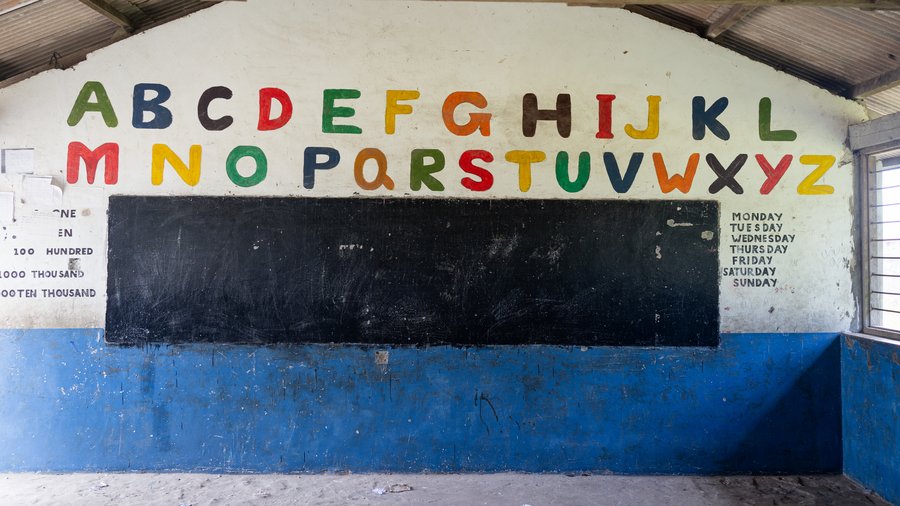
Despite achieving near-universal primary school attendance, learning outcomes in Nigeria remain alarmingly low. According to Adeniran et al., only 17 percent of students meet literacy competency standards, while 31 percent meet numeracy standards. One widely proposed solution to this learning crisis is to ensure that every child begins learning in their mother tongue. One widely proposed solution to Nigeria’s low learning levels is to ensure that every child begins learning in their mother tongue. At first glance, the rationale appears both straightforward and compelling: instruction is most effective when mediated through a language already familiar to the learner. This claim is further substantiated by decades of research consistently demonstrating the effectiveness of mother-tongue instruction across diverse contexts.

In Nigeria, however, the reality of language policy implementation is far more complex than the rationale suggests. While the country has adopted mother-tongue policies promoting instruction in indigenous languages at the primary level for several decades, dating back to the 1977 National Policy on Education (NPE), implementation has remained limited and inconsistent. For instance, only about 16 percent of early primary school pupils were taught in an indigenous language, despite more than three decades of official policy endorsing mother-tongue instruction. Such uneven implementation is unsurprising in a country as linguistically diverse as Nigeria, where estimates range from 150 languages to over 500. This persistent gap between commitment and practice underscores the multifaceted challenges that constrain the realization of these policies.

The SLIP Gap Framework: Challenges to Implementation

The implementation of mother-tongue instruction is constrained by several interrelated challenges that undermine its effectiveness in practice. These challenges cluster around four dimensions - stakeholder, logistical, institutional, and political economy. Collectively, these constitute what can be termed the ‘SLIP’ gap: A fitting acronym which captures how well-intentioned policies often “slip” between commitment and execution, leaving mother-tongue instruction inconsistently applied across classrooms. While this article focuses primarily on Nigeria, the SLIP gap framework is relevant across SSA, as many countries face similar constraints in their language policies.

A Visual Representation of the SLIP Framework

Stakeholder Challenges

Parents, teachers, and students – the primary stakeholders in education - often hold preferences that run counter to policy goals. These attitudes, shaped by social and economic aspirations, frequently steer classroom practice toward English rather than indigenous languages.

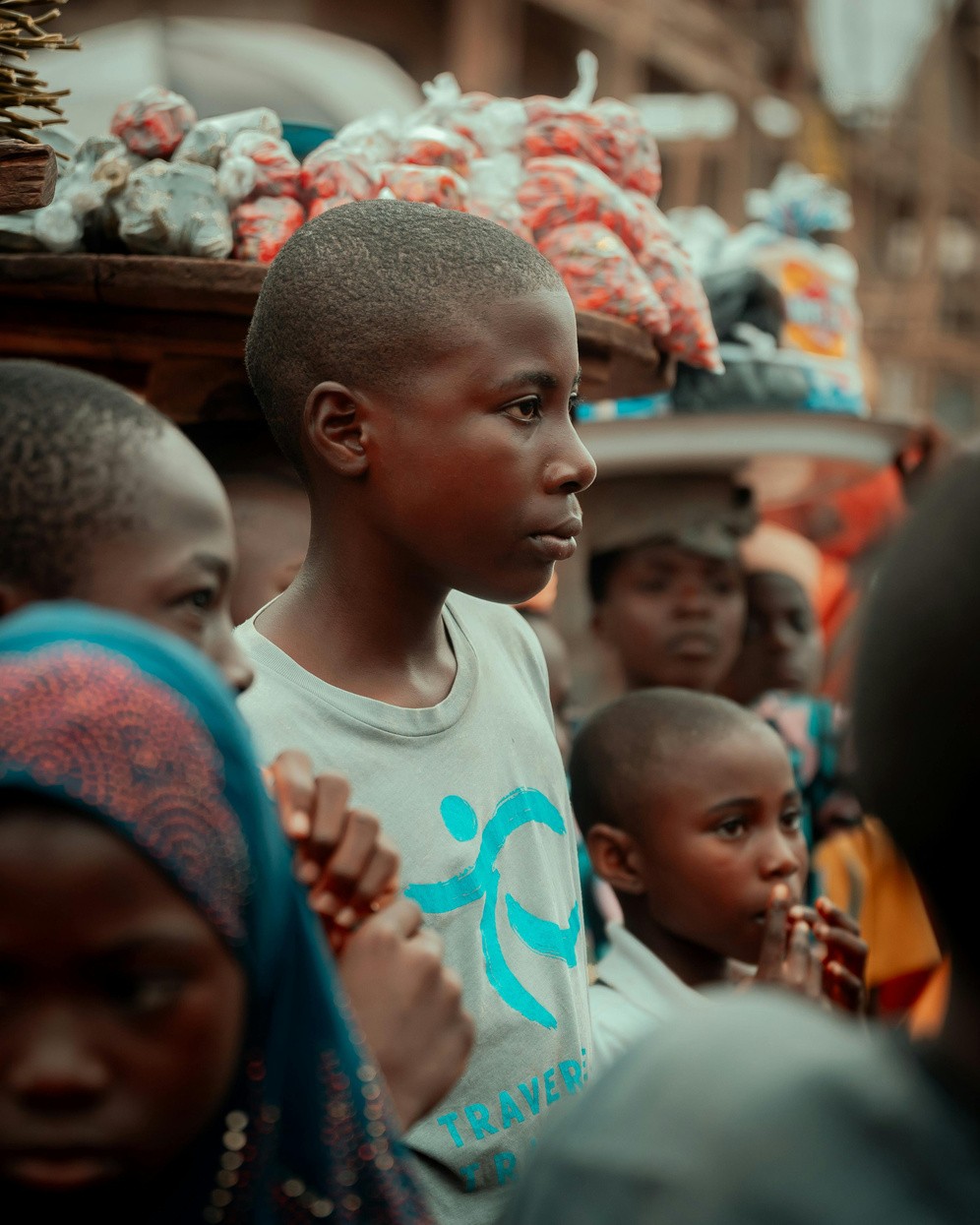
Parental expectations are particularly influential. Studies from Nigeria and elsewhere in SSA show that parents consistently prioritize English, associating it with academic success and upward mobility. In some cases, resistance has been so strong that parents have withdrawn their children from schools using indigenous languages. This reflects a broader social perception that English opens economic and global opportunities, while local languages may limit them.

Teachers’ attitudes mirror these tensions. In Zamfara State in Nigeria, most teachers questioned the necessity of mother-tongue policy, reporting that pupils preferred English and viewed indigenous languages as irrelevant for international examinations. Yet these same teachers acknowledged that students were more motivated and learned more effectively when taught in their mother tongue. This contradiction illustrates how entrenched assumptions about English’s superiority can override recognition of the pedagogical benefits of indigenous languages.

Logistical Challenges

Beyond stakeholder attitudes, schools face practical obstacles relating to their material, infrastructural, and linguistic conditions.
Implementing mother-tongue instruction requires textbooks, teaching materials, and teachers trained to deliver instruction in indigenous languages – resources that remain scarce. Only 14 percent of surveyed teachers had access to relevant mother-tongue materials, while most primary textbooks, aside from language subjects, are written exclusively in English (Trudell, 2018). In practice, this forces teachers to rely on English-language texts, particularly in rural areas, and constantly navigate between English materials and local-language teaching.

Nigeria’s extraordinary linguistic diversity further complicates implementation. With more than 500 spoken languages, including three dominant indigenous languages - Hausa, Igbo, and Yoruba - alongside hundreds of minority languages, no single mother tongue can serve as a universal medium of instruction. Rapid urbanization and migration produce linguistically mixed classrooms, making it nearly impossible to assign one “appropriate” language of instruction. Even when indigenous languages are used, they may not align with students’ mother tongues.

Compounding these difficulties is the absence of standardized orthographies for many languages, which makes producing consistent materials and training teachers challenging. Governments also often lack reliable data on the distribution of languages across communities, further complicating assigning mother tongues to schools, particularly in linguistically diverse regions

Institutional Challenges

Effective implementation requires a strong institutional foundation, with teacher preparation at its core. Yet Nigeria’s primary teacher training institutions remain disconnected from the realities of mother-tongue instruction. For instance, the abandonment of the Grade II teacher training system, once meant for preparing primary school teachers, has left universities and colleges of education as the main training route. Yet, these programs are generalized, producing educators for various levels without specific preparation for lower primary teaching, where mother-tongue instruction is most critical.

As a result, the institutional gaps in teacher education translate directly into logistical and classroom challenges. Schools face shortages of qualified teachers in the communities where they are most needed, and many available teachers lack both the pedagogical preparation and linguistic capacity to teach in the local languages.

The federal governance structure of education in Nigeria further complicates matters. While the federal government anchors mother-tongue policy through setting national standards, implementation is left to states that often lack operational guidance, monitoring mechanisms, or funding streams.

The Political Economy of Language Policy

Political factors create some of the most persistent obstacles to implementing mother-tongue instruction. These challenges are embedded in the way language policies are designed, interpreted, and contested within Nigeria’s multilingual setting.

A fundamental challenge lies in defining “mother tongue.” Nigeria ’s 2013 NPE mandates that “the medium of instruction in [all] primary school shall be the language of the immediate environment for the first three years in monolingual communities…from the fourth year, English shall progressively be used as a medium of instruction.” This formulation creates significant ambiguity. The very idea of a “monolingual community” is difficult to apply in practice, given Nigeria’s fluid and dynamic language use, and the policy provides little guidance on how to define the “language of the immediate environment” in multilingual contexts. In urban areas shaped by migration, children’s mother tongues often differ from the dominant community language, making it unclear which language should serve as the medium of instruction. Without clear definitions or mechanisms for interpretation, the LOI provision remains highly contested.

Another challenge concerns the national unity versus diversity dilemma. Since independence, English has served as Nigeria’s official language and is promoted as a “neutral” language of national unity, modernity, and progress. This ideology is reinforced through education policy, which encourages every Nigerian to learn English and one of the three major indigenous languages in addition to their own mother tongue. In this political climate, mother-tongue instruction struggles to gain support, as it is endorsed in principle but rarely enforced in practice.

Bridging the SLIP Gap

While the obstacles to mother-tongue instruction are well-documented, they often remain fragmented and discussed in isolation.  The SLIP Gap framework proposes an integrative framework that captures the interconnections between different types of barriers and provides policymakers with a clear diagnostic tool. By emphasizing interconnecting challenges, the SLIP framework helps policymakers identify where reforms should be targeted. It highlights the need for coordinated reforms that tackle multiple interconnected barriers, offering policymakers and practitioners a clearer pathway for interventions.

The Salzburg Global Center for Education Transformation offers writing residencies at our inspiring home of Schloss Leopoldskron to thought leaders and educationalists working to advance the agenda of education transformation.

We invite partners who are interested in supporting these writing residencies to email Dominic Regester, director of the Center for Education Transformation at Salzburg Global.

This article was first published by Salzburg Global: Salzburg Global: Why Mother-Tongue Instruction Remains Elusive in Nigerian Classrooms
Read More

Resilient by Necessity: Nigeria’s Response to the changing global development finance landscape

When the Tap Runs Dry

 For decades, Nigeria has operated within a donor-led development finance architecture, with the United States Agency for International Development (USAID) as one of its most significant partners. Between 2015 and 2024, USAID channelled about $7.8 billion in foreign aid to critical sectors in Nigeria, such as health, agriculture, education, economic growth, democracy, human rights,  governance, the environment, peace and security, and humanitarian assistance.

Through flagship programmes like the Feed the Future Nigeria Rural Resilience Activity (2019–2024), USAID facilitated economic recovery and livelihood support for  over 500,000 people, including vulnerable women, persons with disabilities and internally displaced persons. The agency also provided vital HIV prevention, care, and treatment services through programmes such as the U.S. President’s Emergency Plan for AIDS Relief (PEPFAR) and the President’s Malaria Initiative (PMI). The U.S. Embassy and consulate in Nigeria have estimated that these interventions have  protected over 31%, or 68 million Nigerians, from malaria, contributed to a decline  in child deaths by 16 percent over 10 years and helped reduce national prevalence from 42 percent to 23 percent. Similar impact stories have been recorded in the education sector,  where millions of children and youth have witnessed improved early-grade reading skills or expansion of access to children whose schooling was disrupted by conflict. Over time, this steady flow of external support has become deeply embedded in Nigeria’s development finance landscape, shaping both policy priorities and service delivery.

That architecture faced an abrupt shock in January 2025, when a U.S. executive order triggered a 90‑day pause on nearly all foreign aid, effectively halting most USAID‑funded activities in Nigeria. By March, 83 percent of USAID’s programmes worldwide had been terminated, including major health, education, and humanitarian projects, and over 5,200 contracts were cancelled. The funding freeze is most significantly affecting the Nigerian health sector. With over 80% of its funds tied to USAID,  the USAID funding freeze disrupted HIV and malaria prevention efforts, stalled nutrition and maternal health programmes, and jeopardised emergency food assistance. In 2024 alone, the USAID assistance to Nigeria totalled $767 million, including $370 million in health funding, $25 million in education, and $7.8 million on agriculture. While a handful of critical health services received temporary waivers, the pause revealed how much  essential public services and local development initiatives depend on sustained external financing.

While external funding has delivered undeniable gains, it has also left gaps in domestic capacity to finance, manage, and sustain these services independently. The USAID pause was not only a budgetary crisis but also a stress test of resilience, revealing both the agility of some state and non‑state actors to mobilise alternative resources and the structural weaknesses that leave entire sectors exposed to donor decisions. Yet, in the face of such shocks, Nigeria’s resilience has often emerged, demonstrated through the adaptive responses of both state institutions and civil society actors, which highlights the essential role of domestic development financing in navigating donor uncertainty.

This Blog was first published by the United Nations office for South-South Cooperation (UNOSSC)

Read more here  

Read More

If You Build It, Will They Trade? Why Africa’s Single Market Must Center Women Traders

This article was first published by the World Economic Forum

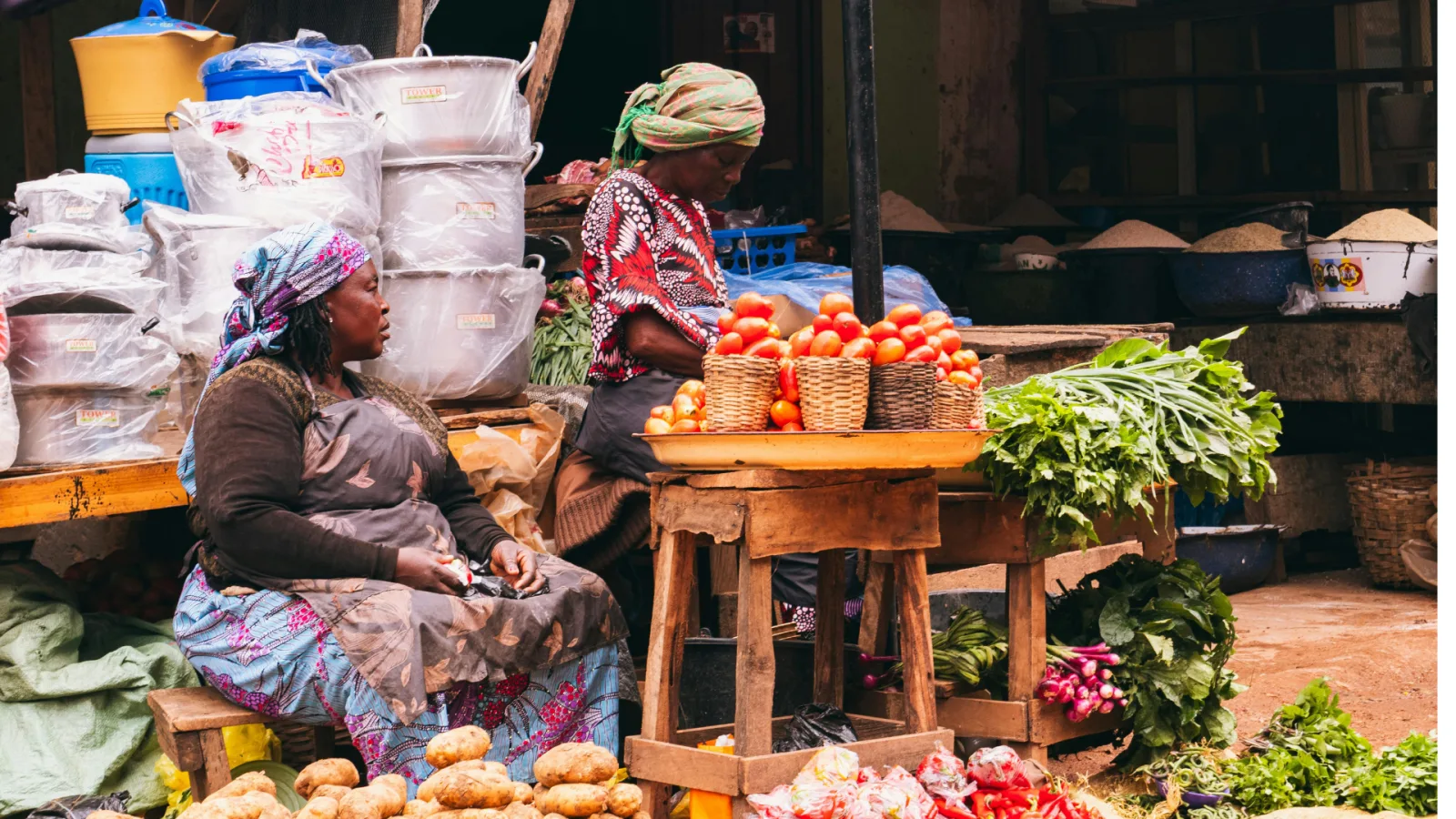
Africa’s new trading era, ushered in by the African Continental Free Trade Area (AfCFTA), has been hailed as a transformative force for the continent’s economies. According to the World Bank, it could unlock $450 billion in income gains and lift 30 million people out of extreme poverty by 2035. The stakes are high. Yet these promises remain largely aspirational for the millions of women who already make up an estimated 70% of informal cross-border trade in regions like West and Central Africa.

Women have long been the engine of cross-border trade in Africa. They sustain entire communities by moving goods across borders, ensuring food security, and stitching regional supply chains together in the formal economy's shadows. Yet their visibility in trade does not translate into a voice in trade governance. Very few women have the institutional mechanisms that could help them transition into formal, scalable trade, and the structures they rely on - such as cooperatives, trader associations, and community credit groups, remain fragmented, underfunded, and largely excluded from AfCFTA’s formal mechanisms

The repercussions of this disconnect are not merely institutional, they shape the daily realities of women traders. Across the continent, women traders face entrenched challenges, including  routine harassment at border posts, limited control over assets, and restricted mobility, shaped by cultural norms.  Business owners struggle to access finance, due to limited credit histories, lack of collateral, and complex regulatory requirements - conditions that make scaling impossible, as highlighted by the IFC’s  2024 report

These conditions are compounded by poor access to reliable trade information. A 2022 UNDP survey found that more than half of women-owned businesses were only slightly aware of AfCFTA or its benefits. This disconnect between women’s economic contributions and their marginalization from policy spaces reinforces the core problem: the systems built to expand trade are not designed with women in mind. 

An Institutional Blind Spot

AfCFTA’s success depends not just on high-level agreements but on the effectiveness of trade institutions that translate policy into practice. Yet across the continent, these institutions are often blind to the specific realities of women in trade. This structural oversight, or institutional blind spot, threatens to leave behind the very demographic that sustains Africa’s informal trade economy.

In many countries, trade institutions are under-resourced, disconnected from informal and semi-formal economies, and ill-equipped to serve women traders. According to the 2022 report by the African Union, institutional capacity gaps are among the most significant barriers to AfCFTA implementation, especially in lower-income countries where women’s participation in trade is highest. These gaps are not gender-neutral. Many institutions lack the mandate, training infrastructure, or staff to educate women on critical trade mechanisms such as rules of origin, digital customs systems, or dispute resolution. The result is a policy environment in which women are often left to navigate opaque and shifting trade regimes alone.

Specifically, the grassroots structures that women traders depend on, cooperatives, savings groups, cross-border informal networks, and local market associations, are routinely excluded from national and regional consultations. These institutions, though central to the survival and resilience of millions of women engaged in trade across Africa, remain invisible within AfCFTA’s governance architecture. This exclusion denies women traders the ability to shape the policies that govern their economic participation and disconnects continental trade frameworks from the lived realities of cross-border exchange.

While the 2024 Protocol on Women and Youth in Trade marked a welcome step by codifying commitments to access, equity, and protection, its operational impact remains limited. It recognizes gender inclusion, but stops short of institutionalizing the voices and experiences of those at the grassroots. No formal mechanisms exist to ensure these women-led groups are represented in decision-making bodies or implementation processes. The protocol’s language is aspirational rather than binding, which leaves room for inaction. For example, Article 19 establishes a Committee on Women and Youth in Trade but fails to specify how grassroots organizations will be engaged, consulted, or represented within its operations. Further, the separation of the protocol from AfCFTA’s core legal instruments limits its transformative potential. These gaps allow the protocol to make rhetorical commitments while excluding the very actors who carry the weight of trade on the continent.

From Bystanders to Builders

The AfCFTA presents a bold vision for continental economic transformation. However, its credibility hinges not only on intergovernmental consensus or policy blueprints, but by its capacity to empower the grassroots institutions that drive Africa’s real economy - micro, small, and medium enterprises, cooperatives, and informal cross-border traders. To move from symbolic inclusion to structural empowerment, AfCFTA must reconfigure its institutional architecture around the realities of grassroots trade. This begins with strategic investment in grassroots trade networks, particularly cooperatives and associations representing women-led enterprises and small traders. These actors should be prioritized for capacity-building, export-readiness programs, affordable finance, and legal support for formalization and market access.

Second, representation must be institutionalized - not incidental. Grassroots and women-led organizations should have reserved seats in AfCFTA decision-making bodies, and mandated consultation mechanisms such as local trade forums, participatory monitoring, and grievance redress systems must be embedded into implementation structures.

Digital inclusion is another foundational pillar. Bridging the digital divide requires more than infrastructure; it demands context-responsive strategies, including digital literacy training in local languages, mobile-first customs and e-commerce tools, and subsidized platforms that support market access for small traders. These solutions must be co-designed with the people they aim to serve.

Where models exist, they must be scaled. Successful pilots like UNDP’s HerAfCFTA in Nigeria and Ghana have shown what is possible when women traders are equipped with tailored training, policy access, and digital tools. These initiatives should inform a continental strategy for gender-responsive trade governance.

Finally, AfCFTA must adopt a leadership model that reflects the constituencies it claims to serve. Under Dr. Ngozi Okonjo-Iweala’s leadership, the WTO has prioritized gender in global trade through initiatives like Trade&Gender360°, which combine policy training with institutional accountability. A similar commitment to gender-inclusive leadership is essential for AfCFTA’s legitimacy.

The Role of Evidence

Despite high-level commitments, little is known about how national and regional trade bodies are translating gender provisions into everyday practice. Are trade institutions engaging women-led networks in policy dialogues? Are they equipped to deliver gender-responsive training and support? Do implementation structures track the participation of women traders in formal trade?

Answering these questions requires targeted, embedded research, not as an afterthought, but as a central pillar of AfCFTA’s institutional strategy. Data must go beyond aggregate trade flows to capture the lived experiences of women across formal, informal, and semi-formal trade environments. Comparative studies can illuminate what works across different country contexts, and participatory evaluations can help identify which reforms enable institutions to better support women-led enterprises and cooperatives.

Such research should not remain in reports or academic journals. It must directly inform implementation, shaping accountability mechanisms, refining policy tools, and enabling real-time course correction. When done well, evidence can serve as both mirror and map: reflecting the gaps in inclusion and charting a path toward a trade system that truly works for all.

Supporting women traders

For the millions of women already shaping Africa’s trade landscape through informal and grassroots networks, the question is not whether they are ready for AfCFTA. The real question is whether AfCFTA is ready to support them. Centering women’s trade institutions is not just a matter of equity; it is a strategic imperative for sustainable, inclusive growth. AfCFTA’s success will not be measured by ratification counts, but by whether it can shift institutional power, from distant trade bureaucracies to the hands of the people who trade every day. It must move grassroots actors from bystanders to builders of Africa’s trade future.


Authors: Thelma Obiakor, Bisong Anthony Ekpang, Obiageli (Oby) Ekwunwa

Read More

The Role of Local Institutions in Scaling: Evidence from the Implementation of Accelerated Education Programs in West Africa

This blog was originally published by NORRAG.

In this blogpost, Adedeji Adeniran, Thelma Obiakor and Leslie Casely-Hayford emphasize the critical role of local institutions in the implementation of Accelerated Education Programs in West Africa.

Across development fields such as education, identifying programs and interventions that are not only effective but scalable has become a crucial area of policy and academic pursuits. Scaling helps minimise implementation failures by narrowing policy choices to those most likely to succeed and are most cost-effective. However, discussions around scaling in the education sector have often emphasised the dominant roles of donors, international NGOs, and governments— as they possess the resources to operate at scale and quickly test innovations. Most programs identified as scalable have been donor driven. There is, in fact, a subtle critique of local institutions, with the so-called “NGO effect” frequently cited as a reason why effectiveness at the pilot level often fails to translate into successful scaling. In this piece, we draw on research into the implementation of Accelerated Education Programs in West Africa (specifically Nigeria, Ghana, and Sierra Leone) to demonstrate how local institutions are pivotal to scaling efforts, even in government-led or donor-driven initiatives.

Accelerated Education Programs as a Scalable Initiative

Accelerated Education Programs (AEPs) are flexible education programs designed to provide access to basic education, focused on foundation learning often in an accelerated time frame for groups who may have missed out on, or had their education interrupted due to marginalisation, conflict, poverty, crisis, and other supply and demand factors. These groups include out-of-school children and overage children and youth (typically between the ages of 8 and 16). AEPs involve adapting curricula to compress several years of missed education into a one or two year  period, allowing learners to catch up and bridge gaps in their schooling. This adaptation focuses on foundational learning such as literacy, numeracy, and life skills, while aligning the content with national education standards to ensure learners can transition smoothly into the formal education system. By focusing on foundational skills, AEPs offer a structured pathway for learners to acquire the knowledge needed to reintegrate into formal education at their appropriate grade level or gain the skills necessary for vocational training and employment.

AEPs already operate at scale as they have reached thousands of schools and millions of children globally. In West Africa, AEPs have been implemented in various ways, tailored to specific local contexts. For instance, in Nigeria, AEPs emerged as a response to schooling disruptions caused by insurgency, while in Ghana, the lack of teachers and distance to schools in deprived areas necessitated their introduction in the mid 90’s.

Role of Local Institutions in AEP Scaling

While AEPs have demonstrated potential for scale, their successful implementation and long-term sustainability depend not only on external support but also on the active involvement of local institutions. The key roles that local institutions play in achieving the core objectives of AEPs – namely, expanding access, ensuring foundational learning, and enabling smooth reintegration into formal education – include:

  1. Local institutions are the bedrock of continuity and resilience in program implementation, often serving as the “last man standing.” Political and economic dynamics frequently shift, which can disrupt program delivery. For instance, political transitions may alter government policy priorities, and donor funding may dry up, forcing international organisations to cease operations. In contrast, local institutions are deeply embedded within their communities and are compelled to sustain key aspects of interventions using local resources. A case in point is Ghana, where donor exits in areas implementing AEPs led to sharp funding cuts. Despite these challenges, local institutions devised innovative solutions to continue certain aspects of the AEP. One organisation mobilised local resources to sustain the program, while another adapted elements of AEP into other components of its community interventions. Such dedication to program fidelity is less common among donors and governments, whose implementation is often governed by contractual obligations.
  2. Scaling changes the roles and visibility of local institutions. In the larger context in which scaling takes place, it is justified to place more priority on government and highly resourced institutions, like international NGOs, as implementers. This tends to shift the role of local institutions from implementers to auxiliary partners for easy community entry. Local institutions are often embedded within broader networks of NGOs when implementing education programs at scale. While this collaborative approach can strengthen delivery and reach, it can also reduce the visibility of individual actors, particularly local NGOs, even when their influence and contributions have grown significantly.  However as Kabay and DeStefano (2024) noted, implementation complexity, systemic issues, competing priorities and politics are key byproducts of scaling, requiring actors with capacity to work with multiple stakeholders and directly with beneficiaries. Local institutions can play this role more than other actors. The Nigerian AEP implementation in conflict zones involves high risks and costs which are shouldered by local institutions and this requires reliance on networks of grassroot organizations willing to continue to support AEP even in conflict affected zones.
  3. Mobilising Local Resources and Building Trust: Local institutions are instrumental in mobilising resources and garnering community support for AEPs. For example, they leverage their deep understanding of local languages and cultural contexts to integrate mother tongue instruction and accommodate low-resource languages, which enhances the effectiveness of educational programs. By utilising local facilitators (often youth who have completed senior high school) and who act as instructors who are familiar with the community’s language and culture, these institutions foster a sense of ownership and accountability among learners and their families. This local engagement is crucial for establishing trust and ensuring that AEPs are tailored to meet the specific needs of the community. Moreover, local institutions often provide support in areas where governments may face limitations, such as offering education in local languages and creating a supportive learning environment. Their prior interactions with NGOs and experience in grassroots mobilisation further strengthen the implementation and sustainability of AEPs.
  4. Enhancing Program Relevance and Sustainability: Local institutions are also pivotal in ensuring that AEPs are both relevant and sustainable within their specific contexts. They bring valuable insights into local educational needs, cultural practices, and socio-economic conditions, which allows for the adaptation of AEPs to address these unique challenges effectively. By engaging local educators, community leaders, and parents in the program design and implementation, these institutions help tailor educational content and delivery methods to fit the local context. This localised approach not only improves the program’s relevance but also promotes its sustainability, as community involvement increases the likelihood of continued support and integration. Furthermore, local institutions can facilitate partnerships with local businesses and organisations to secure additional resources and opportunities for learners, thereby enhancing the program’s capacity to deliver long-term benefits.
  5. Facilitating Inclusive Participation and Equity: Local institutions play a crucial role in promoting inclusive participation and ensuring equity within AEPs. They have the capability to reach and engage marginalized groups that might otherwise be overlooked, such as girls, children with disabilities, or those from very remote areas. By understanding and addressing local barriers to education, such as cultural biases or logistical challenges, local institutions can implement strategies that make AEPs more accessible to all children. They can also advocate for and implement policies that ensure equitable distribution of resources and opportunities within the program. This focus on inclusivity not only helps to reduce educational disparities but also strengthens the overall impact of AEPs by ensuring that no child is left behind.

Conclusion

The effective scaling and impact of AEPs depends on a strategic approach that emphasises the critical role of local institutions such as national NGOs and local community groups and AEP committees at the community level. These institutions not only adapt AEPs to local contexts but also bridge gaps between diverse stakeholders and mobilise essential resources. Their involvement ensures that AEPs are not only implemented effectively but also sustained over time through the communities’ own resources. As we move forward, focus on the design of AEP programming which strengthens the capacity of local institutions will be key to maximising the reach and success of AEPs in Sub-Saharan Africa, ultimately fostering greater educational equity and opportunity for all.

The Authors

Adedeji Adeniran is the Director of Research at the Centre for the Study of the Economies of Africa (CSEA). Contact email: [email protected].

Thelma Obiakor is a Senior Research Fellow at the Centre for the Study of the Economies of Africa (CSEA). Contact email: [email protected].

Leslie Casely-Hayford is the Director at Associates for Change. Contact email: [email protected].

Read More

Poverty and Inequality In Nigeria

With over 133 million people living in multidimensional poverty, Nigeria is facing a deepening poverty and inequality crisis. Despite its vast resources, natural and physical including over 110 million labor force, the number of households becoming poor is increasing everyday. Structural challenges, high cost of governance, low public investment and economic imbalances continue to trap millions in deprivation, threatening the country’s long-term stability and growth prospects.


Critical drivers include:
1. Low Public Investment in Human Capital
• Nigeria spends only $220 per person annually), one of the lowest globally (Hernandez et al., 2022).
• Chronic underfunding of education, healthcare, and social protection limiting access to quality services and economic mobility.
2. Unemployment and Poor Remuneration
• Despite a 4.3% official unemployment rate, 93% of employed Nigerian’s are in informal employment.
• Lawmakers earn an average of N174 million annually, while many workers earn less than N1 million per year (Oxfam, 2024).
• Skilled workers, especially in healthcare, emigrate due to poor conditions, leaving Nigerian with a density of 1.83 health workers per 1,000 people—below the WHO minimum of 4.45.
3. Food Insecurity and Malnutrition
• Over 39 million Nigerians face severe food insecurity, with 73.9% experiencing moderate to severe hunger (FAO, 2024).
• Rising food prices and inflation worsen nutrition, causing 45% of child deaths and affecting 2 million children (UNICEF, 2023).
• 7% of women of childbearing age are malnourished, impacting their ability to work and provide for their families
Key recommendations for government 
1. Increase Public Investment in Human Capital –Allocate at least 15% of the national budget to education, improve healthcare spending, and strengthen social protection programs.
2. Strengthen Public-Private Partnerships for Job Creation – Expand vocational training (e.g., NISDP, N-SKILL, T-MAX) and implement targeted tax incentives for businesses that create jobs.
3. Reform Wage Policies – Adjust wages to reflect inflation trends, enforce minimum wage laws nationwide, and improve labor rights.
4. Scale Up Social Protection and Agricultural Investment – Restore NSIP and revive agricultural financing programs to improve food security.


Nigeria is Africa’s fourth-largest economy, with a Gross Domestic Product (GDP) of $362.8 billion . It is  also the continent’s largest crude oil producer, holding proven reserves of 37 billion barrels and a daily production capacity of 1.5 million barrels per day . Despite these abundant natural resources, a favorable climate for agriculture, 36.8 million hectares of arable land and a large and growing labor force of over 110 million, the country faces an alarming paradox: over half of its population lives in poverty, and the situation is worsening with economic inequality reaching extreme levels.

According to the NBS Multidimensional Poverty Index (MPI) Report (2022) 133 million Nigerians are multidimensionally poor, living below the $2.15 international poverty line. Poverty in Nigeria is not just about income, it is a complex crisis that is being driven by lack of access to quality education, health care services and low living standards. Figure 1 and 2 below illustrates how these factors contribute to the persistence of poverty in Nigeria.
Table 1: Inequality Outlook
 

A red and white table with numbers and text

AI-generated content may be incorrect.

Source: World Bank (2023)

The consequences of this rising poverty and inequality are severe and far reaching. Economic hardship has fueled surge in crime, insecurity, banditry, and theft, particularly in states like Sokoto and Zamfara where poverty rates exceed 90% and 75% respectively. Several studies have confirmed that rising poverty and inequality in Nigeria are directly linked to growing insecurity, theft and violent conflicts (Ajodo-Adebanjoko & Walter, 2014; Okolie et al, 2019 and Kudaisi & Ojeyinka, 2023).

Thus, the pressing question is:  What specific policy measures can effectively reduce multidimensional poverty and inequality in Nigeria to ensure sustainable economic growth and stability in Nigeria?

A graph and diagram of a person

AI-generated content may be incorrect.


Key Issues Driving Poverty and Inequality

LOW PUBLIC INVESTMENT IN HUMAN CAPITAL

Nigeria’s chronic underinvestment in human capital is one of the major drivers of this issues in the country. Despite recent increases in national budgets, spending on key sectors remains critically low and continues to decline in real terms. In 2022, the World Bank reported that Nigeria spends only $220 per person annually which is approximately 12 % of the GDP. As a result Nigeria was ranked 167th out of 174 countries in human capital development (Hernandez et al., 2022)


Figure 3: Public Spending by Sector (2024 vs 2025 Budget)

Source: Budget Office of the Federation, 2025

Even though the 2025 national budget has grown by 49.9% to N54.9 trillion compared to N27.5 trillion in 2024, spending on key sectors has declined as a share of total public spending. Education, for example, receives only 7.12% allocation, far below UNESCO’s recommended 15% and the same decline is seen across other key sectors. This chronic underfunding limits the people’s ability to access quality education, health care, and social benefits, reducing opportunities for upward mobility and entrenching intergenerational poverty.

UNEMPLOYMENT AND POOR REMUNERATION FOR WORKERS

Although unemployment in Nigeria was reported to have decline from 5.3% to 4.3% in Q2 2024this figure does not reflect the true state of joblessness. Informal unemployment remains incredibly high at 93%. This is concerning as informal unemployment is often defined as including shadow and even illegal economic activities. One of the biggest contributors to this crisis is the poor wages. Salaries paid to workers have failed to keep pace with rising inflation, leaving many workers earning far below a living wage


Source: World Bank

Only 15 % Nigerians hold paid wage jobs or an apprenticeship and less than half of the wage workers have any written contracts, meaning majority of them receive no additional benefits and are job insecure (Jonathan & Pape 2024).

After several agitation and strikes by the labor unions the minimum wage was increased from N30,000 to N70,000. However, many states are yet to fully implement this, and some workers still earn below this threshold despite working full-time. In stark contrast, lawmakers according to Oxfam earn disproportionately high salaries and allowances with a Nigerian Senator taking home an average of N174 million annually, while many workers from whose taxes they are being funded earn less than N1 million in a year

These extreme wage disparities, rising cost of living and flaunt of publicly amassed wealth by the politicians have triggered anger and frustration in the citizens resulting in protest and strike actions. This has also fueled the mass exodus of skilled workers from the country, further dampening potential growth prospects. In 2022 over 16,000 skilled worker visas were issued to Nigerians, majority of whom were medical doctors, nurses and management consultants, seeking employment opportunities in the United Kingdom. This brain drain has worsened critical sectors like healthcare, where Nigeria has only a density of 1.83 skilled health workers per 1,000 people, far below WHO’s minimum recommendation of 4.45 (Olatunji et, al., 2024)

3. Food Insecurity and Malnutrition

Food insecurity is both a cause and effect of poverty and inequality in Nigeria. With over 39 million Nigerians classified as severely food insecure and 73.9% of the population facing moderate to severe food insecurity, access and affordability of nutritious and adequate food has become a privilege rather than a basic right.

A graph of growth and growth of people under a microscope

AI-generated content may be incorrect.

Rising food prices and inflation have made nutritious food unaffordable for millions of low-income households, forcing families into consuming less nutritious diets. The 2024 FAO state of food security report highlighted that over 79% of Nigerians cannot afford a healthy diet. This has deepened the cycle of poverty and inequality, particularly among children and women.


Policy Recommendations

1. Increase Public Investment in Human Capital

Public investment in human capital is essential for reducing poverty and inequality. However, Nigeria’s public spending especially in critical human development sectors are at a new low, falling short of global standards. In a time of rising poverty and economic hardship, underfunding these sectors only increases the poverty rate and worsens long-term inequality. To close this gap, the government must cut the cost of governance and increase budgetary allocations, ensuring education funding reaches at least the 15% UNESCO’s recommendation. The same should be done for healthcare and other key sectors. Expanding access quality education and healthcare are proven drivers of economic growth. Studies have shown that every $1 spent on education can generate up to $15 in economic returns (UNESCO, 2012). Furthermore, a “living wage” that reflects the current economic realities of workers should be implement as this would enhance overall productivity and economic growth.

2. Strengthen Public-Private Partnerships for Job Creation

The government has been making effort to provide job opportunities in the public sector recently, but this has failed to meet up with the pace of the growing population. A better approach to addressing this issue is for the government to work closely with the private industries through Public-Private Partnerships (PPPs) to expand job opportunities. This should include scaling up the vocational training programs, such as the National Industrial Skills Development Programme (NISDP) and T-MAX, to equip people with skills that better align with job market demand, reducing the skill mismatch problem. Additionally, as the country embarks on tax reforms, to encourage businesses to hire more workers, tax incentives should be structured to reward businesses that demonstrate measurable job creation. This could include tax credits for firms investing in human capital development, tax breaks for high employment sectors like manufacturing, and agriculture, and financial support for startups driving innovations. These steps would make it easier for businesses to grow and hire more workers. 

3. Scale Up Social Protection Programs and Agricultural Investment

Currently, the percentage of funding to social protection is 1.08% of public spending, which is too low considering the rising poverty rates in Nigeria. The social protection programs are meant to reduce poverty and inequality, but often they fail to reach the people who need them most due to inefficiency of the system and corruption. The recent suspension of the National Social Investment Program (NSIP) in has left millions of vulnerable Nigerians without any support, which has resulted in worsened poverty. The government should unfreeze the NSIP accounts, strengthen oversight and ensure that funds are used transparently to prevent further mismanagement. Furthermore, due to the increasing percentage of the poor people needing assistance, funding to this sector which should also be increased. As food insecurity continues to increase, programs like the defunct Anchor Borrowers Programme which created over 250,000 direct jobs and 1.25m indirect jobs has showed that well-structured agricultural financing can make a great impact.[1] An improved version of the ABP should be introduced to provide affordable credit, farming inputs and market access to smallholder farmers. This will not only address the lingering food insecurity in the country but also create jobs and improve rural livelihood. 

This briefing shows how poverty and inequality crisis is deepening in Nigeria with over 113 million people living in extreme poverty. It also provided a critical perspective on the key factors underlying the issue of rising poverty and inequality as millions of households have been struggling to afford basic needs and nutritious food. To address these issues, the briefing proposes some policy recommendations, including increased investment in human capital, job creation through PPC, wage adjustment and enhanced social safety nets. If well implemented these measures hold particular promise that would lift millions out of poverty and also lay the foundation for a long-term economic progress. But achieving these outcomes requires intentional and concerted efforts on different fronts and players. The government must take the lead by adopting transparent and targeted polices that are aimed at addressing the widespread poverty and inequality while the private sector plays the supporting role of workforce development and job creation.

Read More