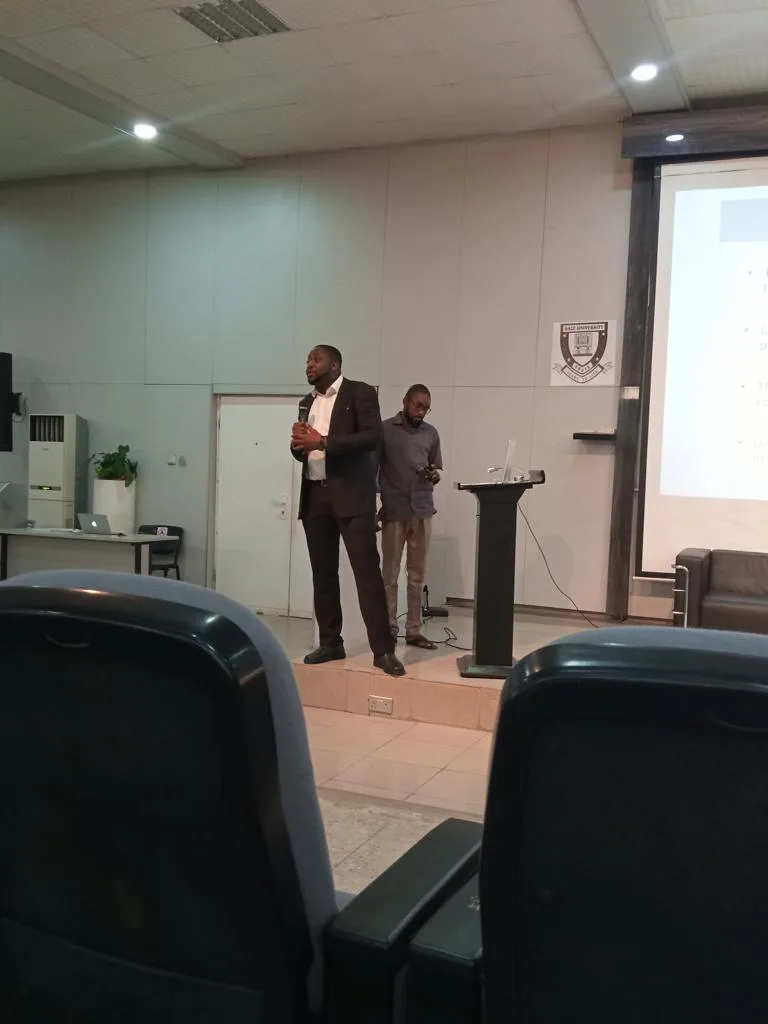
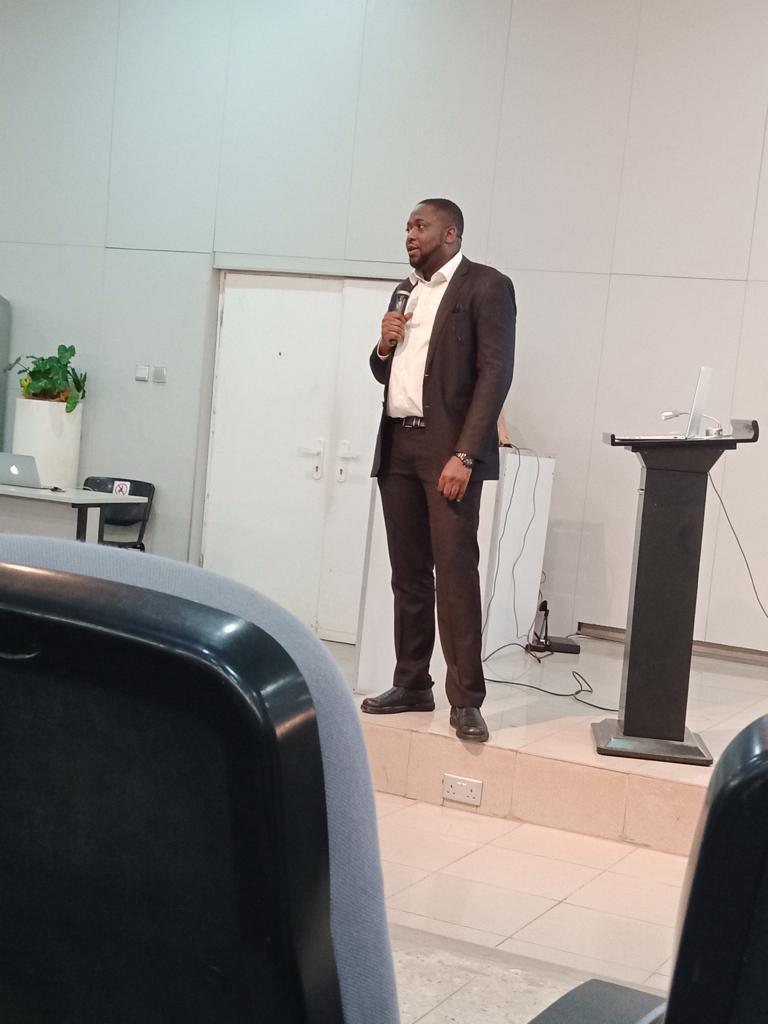
Dr Chukwuka Onyekwena participated at the 1st Information Technology, Research and Innovation Week (Hybrid),organized by Baze University Abuja from 29th November to 3rd December 2021.
The event tagged "Enhancing Institutional Research and Graduate Employability", featured insightful discussions on Institutional research and graduate employability.
It also showcased job fairs, exhibitions, hackathons and demos, workshops, engagements with Industry, International and Multilateral organisations, Government and Non-Governmental Organisations, Keynote and Power talks.
Dr Onyekwena’s presentation on ‘Doing Policy Research’ highlighted how think tanks like CSEA can collaborate with Universities to strengthen how to conduct their research and disseminate the outcomes as part of efforts to support youth development and empowerment.
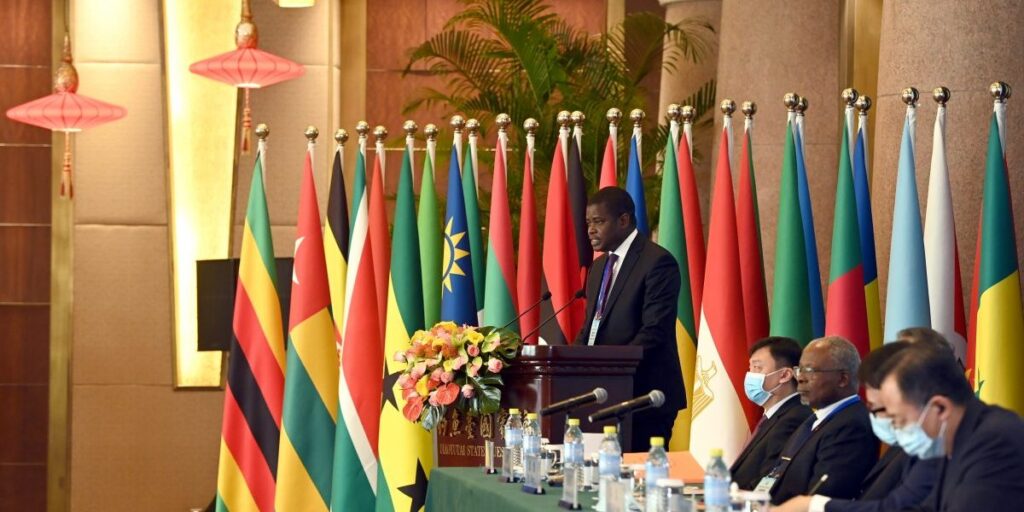
The South African Institute of International Affairs (SAIIA) and the Embassy of the People’s Republic of China organized a seminar bringing together globally renowned African and Chinese experts to sketch out the future of Africa-China cooperation.
The seminar covered two broad areas: enhancing Africa-China cooperation in the face of global crises, and exploring new frontiers of the Africa-China trade relationship opened by the AfCFTA.
CSEA’s senior research fellow Mma Amara Ekeruche, joined the working session on exploring new frontiers of the Africa-China trade to discuss, "Africa-China Trade and the African Continental Free Trade Agreement".
The session highlighted key opportunities that African governments can utilize to ensure better economic consequences in the context of the AfCFTA and outlined the current state of affairs in trade and investment revenues. Panelists in this session also proposed actionable recommendations for African and Chinese governments.
The virtual event was held on Thursday November 4, at 7.30am WAT.
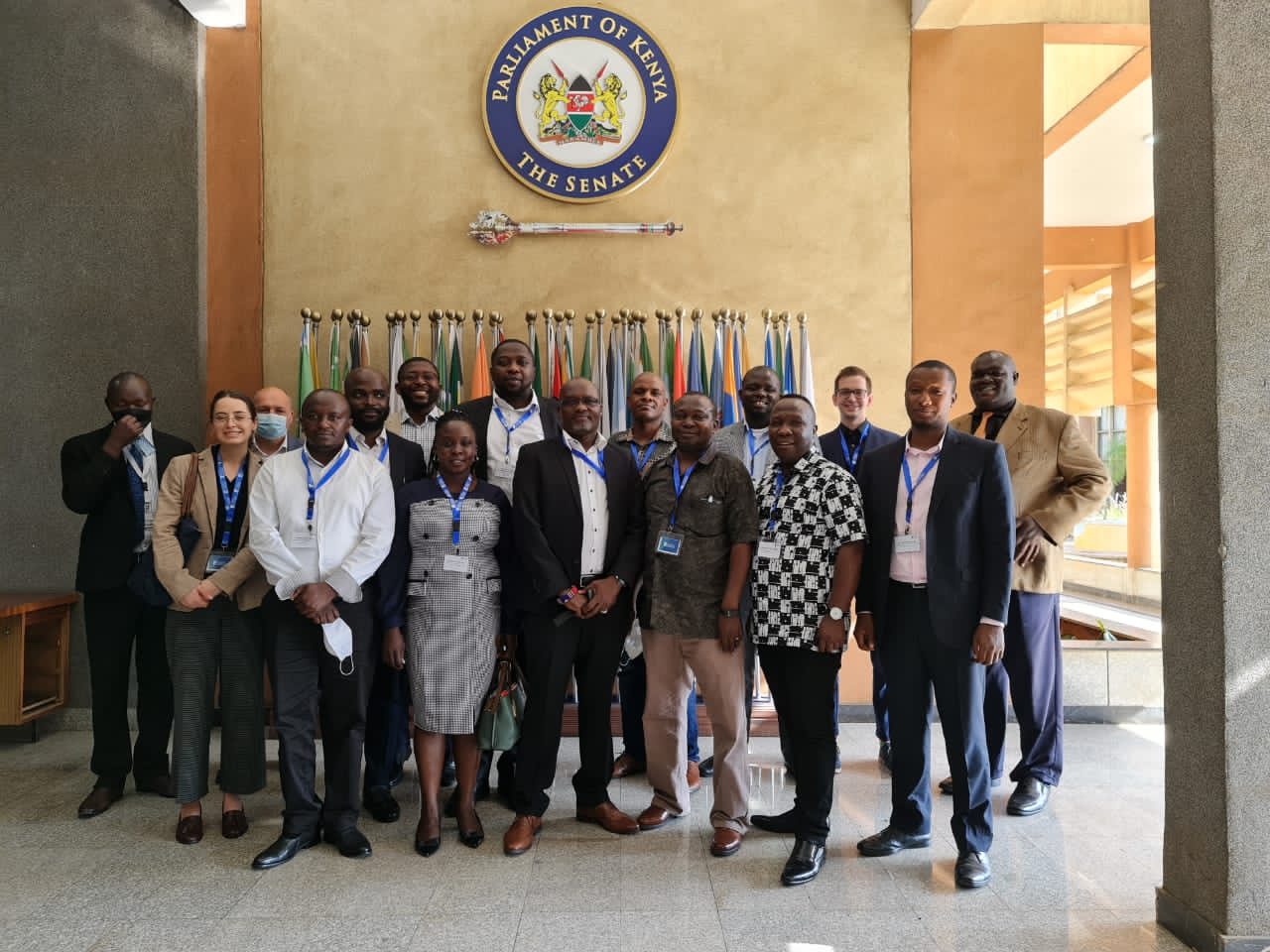
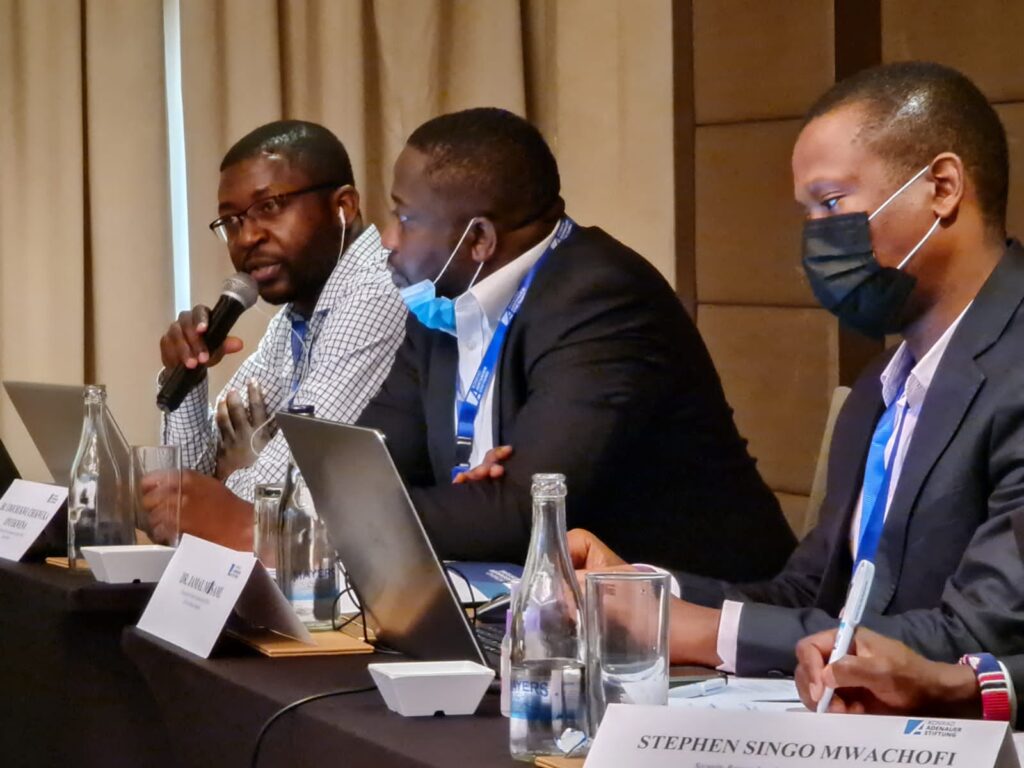
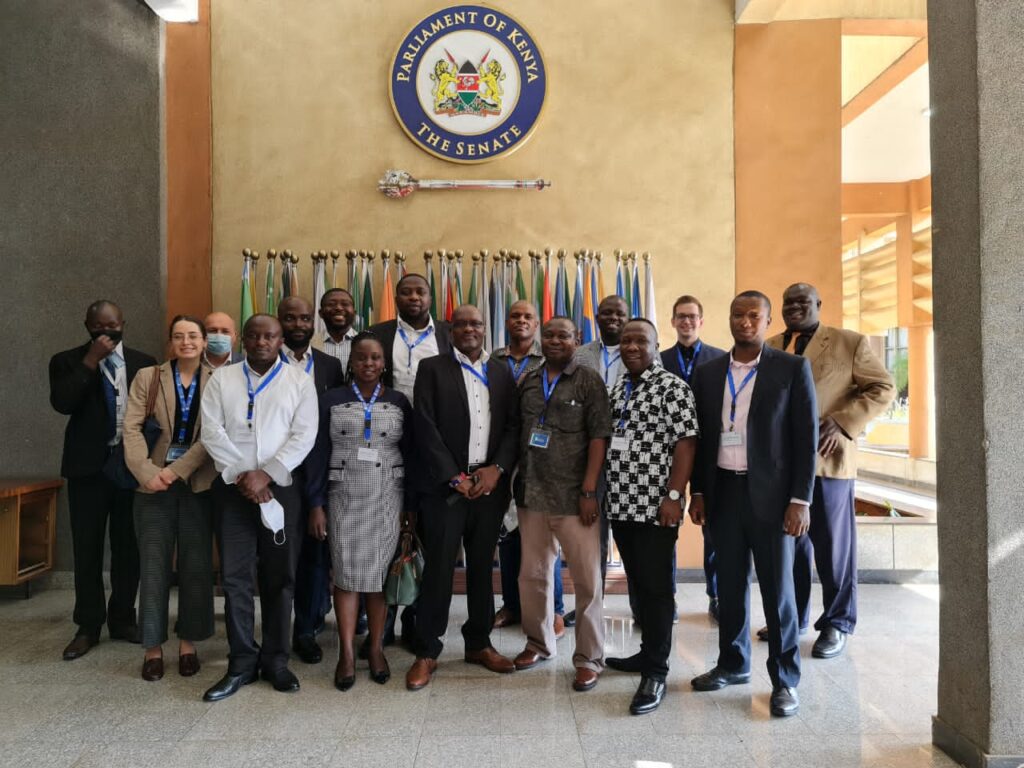
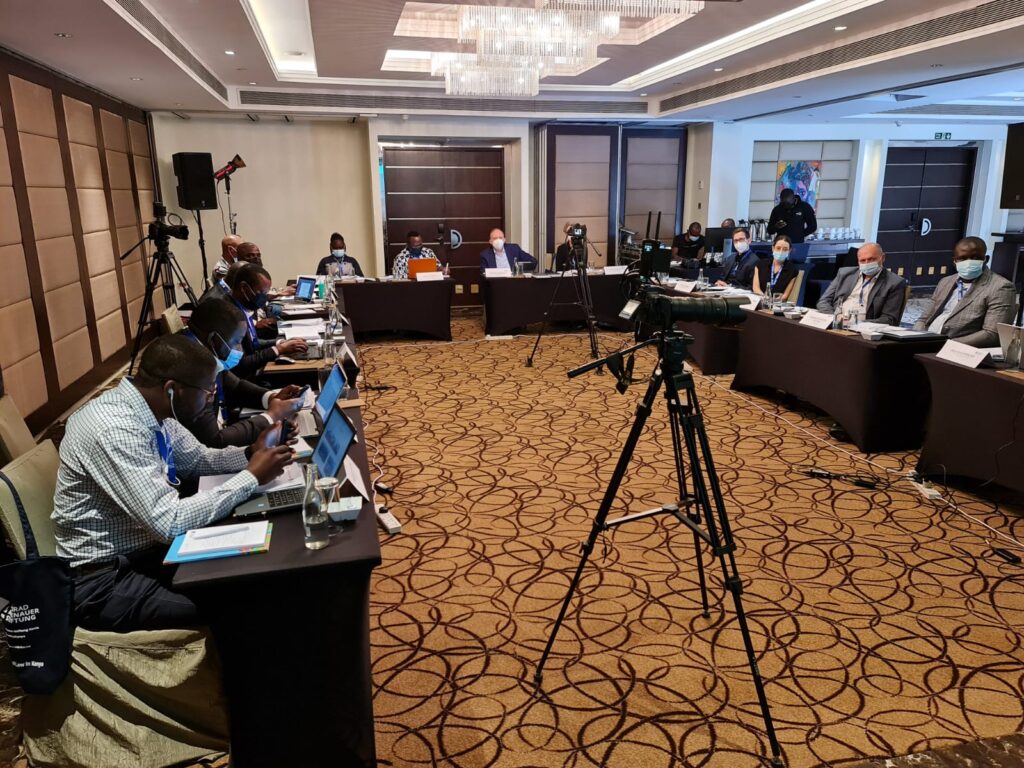
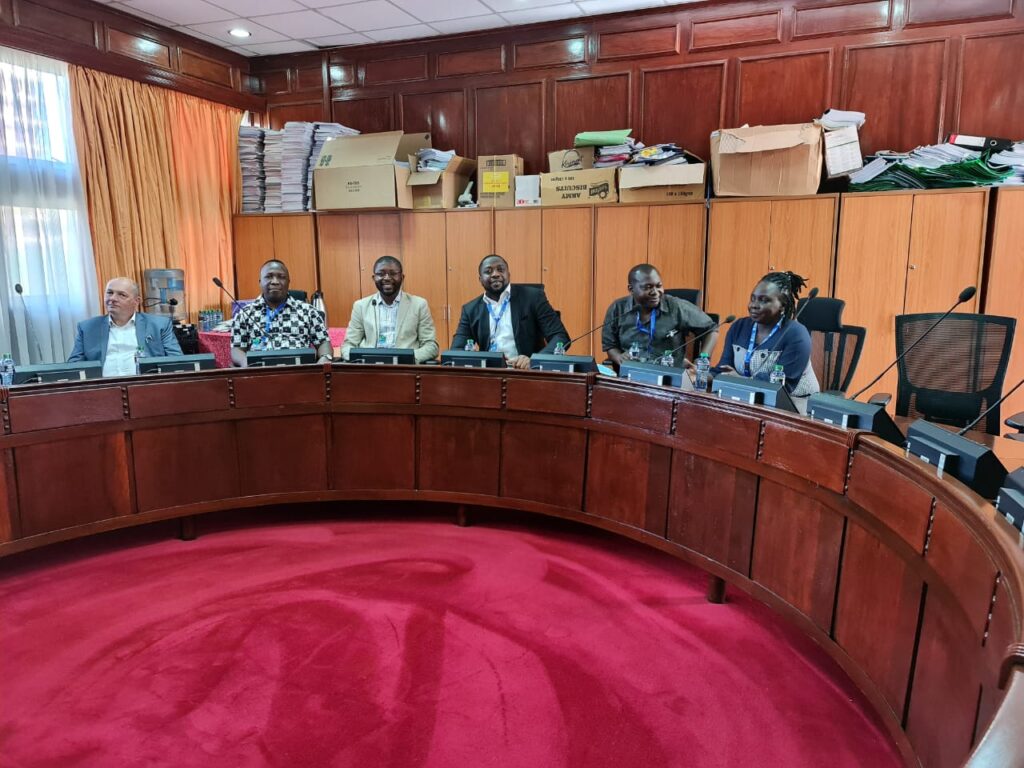
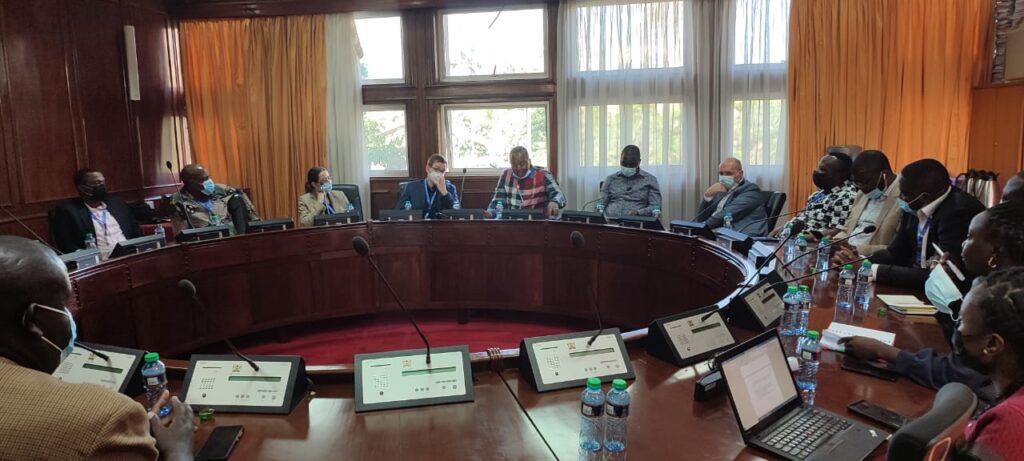
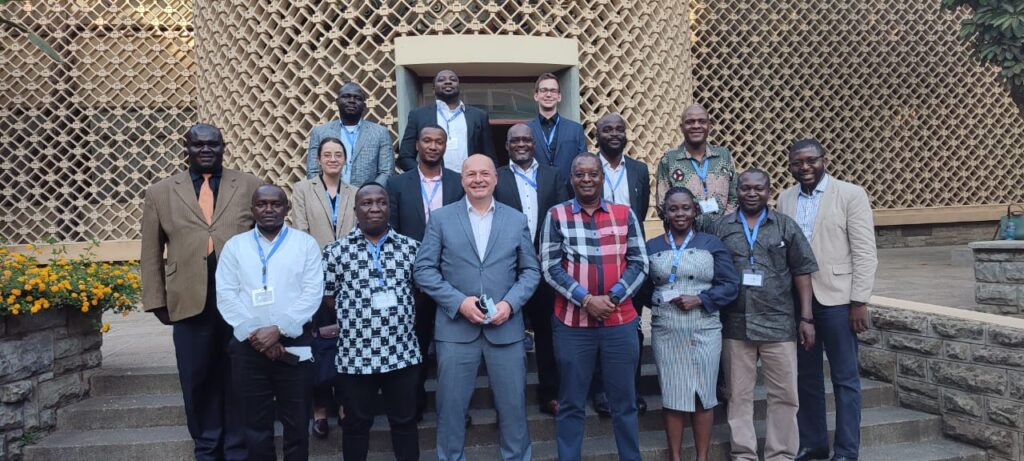
The 13th edition of the Africa Policy Circle workshop was organized by Konrad Adenauer Stiftung (KAS) at the Sankara Hotel in Nairobi, Kenya 31st October to 3rd November 2021.
The workshop was convened under the theme “Think Tank Work and Governance in Sub-Saharan Africa".
The meeting,in particular, provided an opportunity to assess major challenges that think tanks face in order to identify effective strategies that will assist think tanks in preparing for the new policy environment post COVID-19.
Our Executive Director, Dr. Chukwuka Onyekwena, participated in the session: "Counting the Costs: The Diverse Impact of the Pandemic in Sub-Saharan Africa", which examined how the pandemic has affected African Countries.
The session featured presentations and discussions on: what the economic and social costs are, how has the pandemic affected efforts towards economic transformation and poverty reduction, and what a post-pandemic scenario will look like.
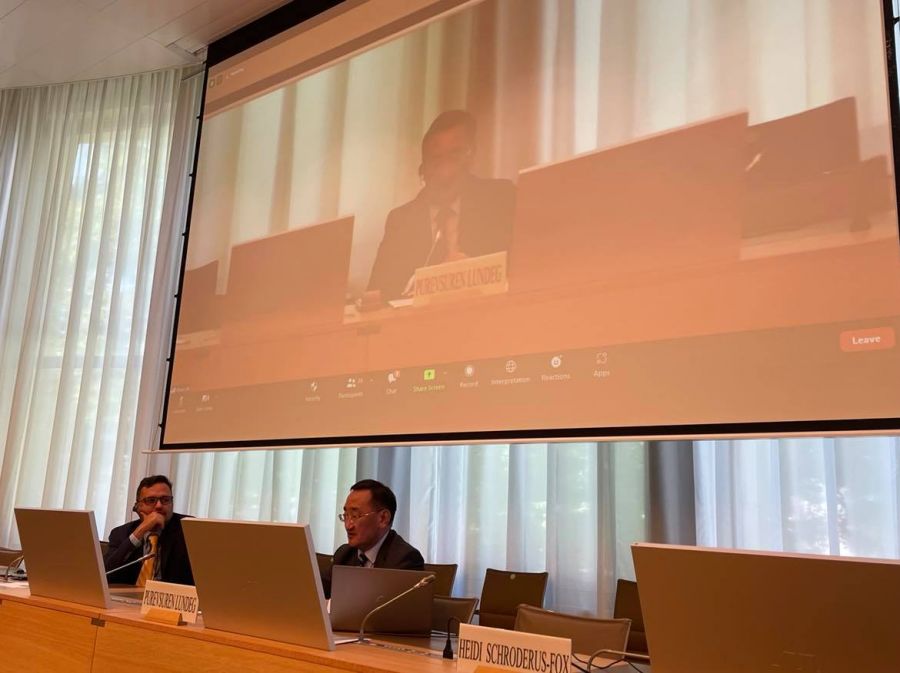
This year’s World Trade Organization Public Forum which held on October 1, 2021, observed the effects of the pandemic on trade and how the multilateral trading system can help build resilience to COVID-19 and future crises. The forum is the WTO’s largest annual outreach event, providing a unique platform for heads of states, parliamentarians, businesspeople, students, academics and civil society to come together and debate a wide range of trade and development topics.
Dr. Chukwuka Onyekwena participated in the working session titled “Building productive capacities in LLDCs in a post-COVID world”, which explored the impact of the pandemic on Landlocked Developing Countries (LLDCs) and their development prospects, and the policies and measures required to build resilience.
The session provided a platform for panelists to address and provide policy recommendations on the role of export diversification and structural transformation in achieving inclusive growth and building resilience.
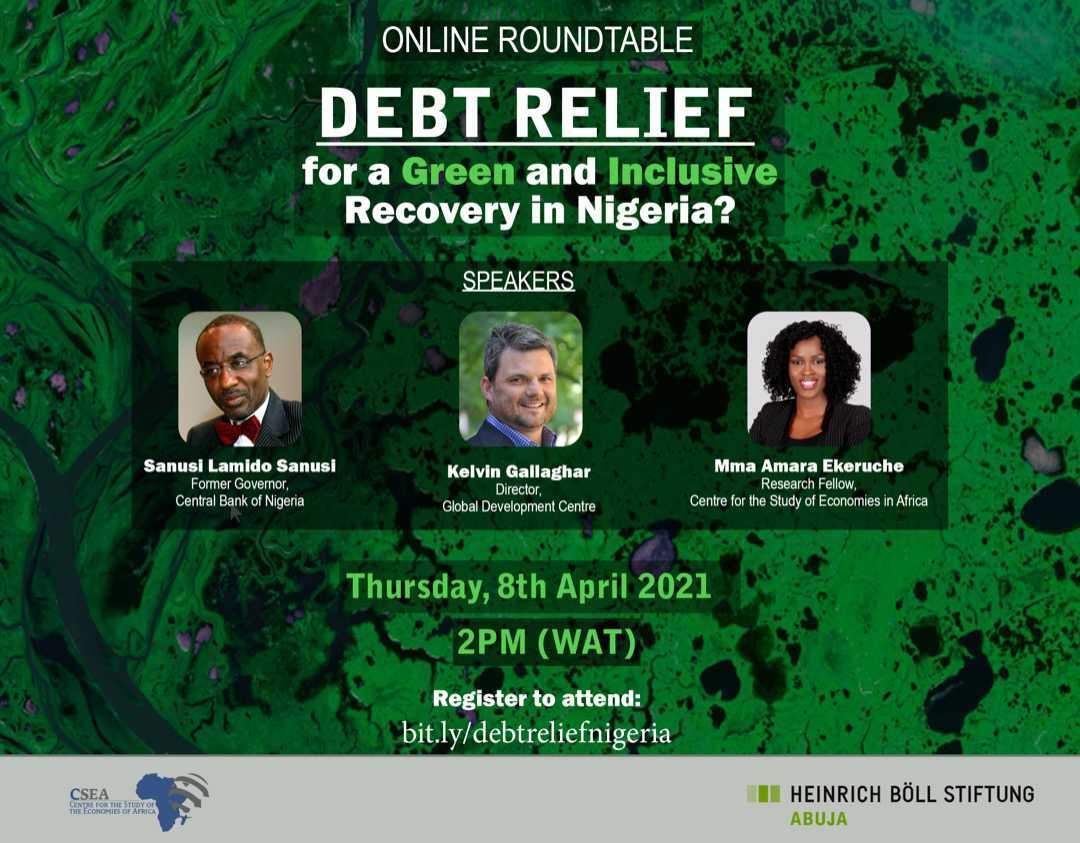
The Heinrich Böll Foundation Abuja office, in collaboration with the Centre for the Study of the Economies of Africa(CSEA), hosted a web dialogue on April 8th 2021, to discuss ongoing research and advocacy efforts aimed at providing debt relief to developing countries.
Prior to this dialogue, the Foundation together with the Global Development Policy Centre and the Centre for Sustainable Finance at the University of London, put forward a proposal to offer debt relief for a green and inclusive recovery. The Webinar provided a platform to discuss this proposal, its mechanisms, potential and relevance in the Nigerian context .
In his opening remarks, Jochen Luckscheiter, Head of the Heinrich Böll Foundation Abuja Office, noted that due to the Covid-19 pandemic, Nigeria has recorded its deepest quarterly contraction since the 1980’s, according to the World Bank. This has impacted not only oil-exporting countries, but has also accelerated the transition to renewable energy supplies. Nigeria faces huge developmental, societal and economic challenges with little room to respond due to its limited debt repayment capacity.
The moderator of the webinar, Dr. Adedeji Adeniran, Director of Research at CSEA, set the tone for the discussions. In his brief introduction, he highlighted the state of debt in Nigeria and potential for debt recovery; while debt is inevitable in many emerging economies, there needs to be a shift in the conversation with more focus on sustainable debt burdens whilst factoring post Covid-19 challenges that the economy has faced..
The first presentation by Mma Amara Ekeruche, Research Fellow at CSEA, indicates that the private sector in Nigeria has the highest percentage of accumulating debt, accounting for approximately 40%. The paper poses questions about the sustainability of our debt profile in relation to previous benchmarks. It further notes a shift from bilateral creditors in the past to majorly private debt owners, which has created an unwillingness for the latter to provide debt forgiveness. According to recent figures, external debt is approaching pre-Multilateral Debt Relief Initiative levels (MDRI) . The paper concludes by emphasizing the need for innovative approaches to dealing with rising debt, such as debt for climate and debt for development swaps, as was implemented under the MDRI in 2005.
Kevin Gallagher, Professor of Global Development Policy at Boston University's Frederick S. Pardue School of Global Studies, reflects on the proposal that has been put across by the Global Development Policy Center, to the G20. According to the UNDP, Nigeria is facing the possibility of financial collapse as one of the countries in debt distress. To repay its debts, Nigeria will require comprehensive debt relief schemes from institutions such as the IMF and private sector participation. However, these measures may not result in the desired debt relief results. On the other hand, the Debt Relief for the Green Recovery model may include solutions to Nigeria’s burgeoning debt crisis that could be replicated for other countries in similar financial situations.
In response to the presentations, Mallam Sanusi Lamido, former governor of the Central Bank of Nigeria, emphasized the need for Nigeria to focus on the debt to revenue ratio as the only metric to measure National debt burdens. He notes that debt to revenue ratios from the last decade have exploded to unsustainable levels, with a rapid population growth rate, which necessitates the need for social policies to be enacted in order to restrict this growth. On the other hand, the Debt Relief for the Green Recovery would have a more potent effect if renewable energy materials were manufactured locally. To enable this, it is imperative that fundamental SDG goals such as education, power, poverty alleviation are resolved, to forestall the recurrence of debt for Nigeria in the future.
According to Brian Pinto,a former senior chief economist at the World Bank, if Nigeria requests for debt forgiveness, its creditors will also ask some key questions such as:
What are the root causes of Nigeria's current problems, and what can it do to demonstrate that it will transition from fossil fuels to a clean economy?
What happened after the Paris club debt relief, did the poor and young benefit from it?
What is the underlying nature of the dynamics of Nigeria’s debt?
Why isn’t Nigeria learning from its past oil-well management mistakes?
Nigeria will only be eligible for debt relief after presenting well-thought-out responses to these questions.
Key Takeaways
Participants emphasized the importance of a transparent governance structure, while also requesting for relief and consistent policies to enable growth. Another important component is the reduction of leakages associated with rising costs of governance which are often translated into debt. Majority of the participants at the webinar agree that debt relief provides an opportunity for reforms that can be tied to specific areas of development such as health and education.
While debt is important to the development of any economy, taking on too much can be detrimental to its growth. Nigeria's growing debt burden requires new and innovative solutions to ensure that a debt crisis of this magnitude does not become a recurring occurrence. One way we can do this is through Debt Relief for a Green Recovery, which seeks to swap long-term loans for renewable initiatives that reduce nations' carbon footprints.


 English
 Arab
Arab
 Deutsch
 Português
 China
China