Project Reports

  • Home
  • Project Reports

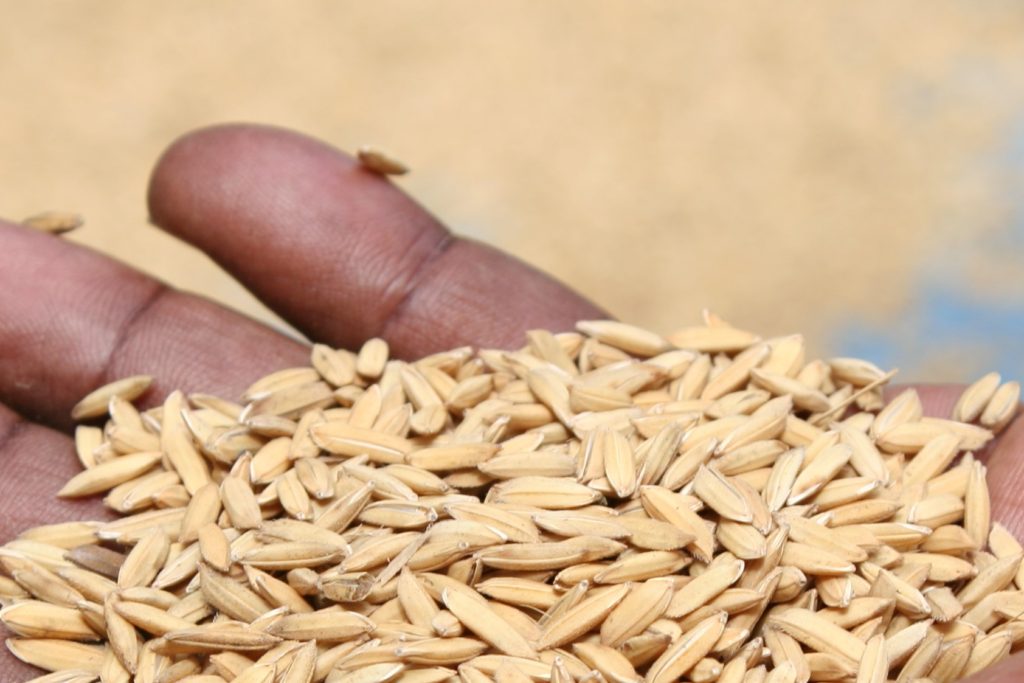
Using food reserves to enhance food and nutrition security in developing countries

The study aims to clarify the potential roles of food reserves (FR) in enhancing food and nutrition security in developing countries and analyze the substitutability and complementarity between FR and other tools. The study is based on a review of the existing literature (both theoretical and empirical) and ten case studies analyzing experiences in Asia (Bangladesh, Indonesia, and Philippines), South America (Brazil) and Africa (Burkina Faso, ECOWAS Regional Reserve, Ethiopia, Nigeria, Senegal and Zambia).

Read More Download PDF

The Economics of Tobacco Control in Nigeria: Modelling the Fiscal and Health Effects of a Tobacco Excise Tax Change in Nigeria

In Nigeria, a majority of the adult smoking population (15 years and above) consume tobacco primarily in the form of cigarettes. Nigeria has about 6 million adult smokers, or 5.6 percent smoking prevalence (GATS, 2017). Smoking prevalence is significantly higher for men (at 10 percent) relative to women (1.1 percent), and 18 percent of Nigerian youths between the ages of 13 to 15 years smoke (GATS, 2017). A total of 920 million cigarette packs were consumed in Nigeria in 2015 (GlobalData Plc., 2016), of which 74 percent is domestically produced (NCS, 2015). Tobacco related diseases are responsible for about 17,500 deaths per year (about 207 men and 130 women per week) and about 250,000 cancer diagnoses (Tobacco Atlas, 2015). Economic losses in the form of medical treatments and loss of productivity from tobacco-related diseases is estimated at US$ 591 million in 2015 (Tobacco Atlas, 2015).

Read More Download PDF

Digital Technology and Fertilizer Reforms in Nigeria

Over the years, several attempts have been made to boost farmers’ productivity, among which are supplying farm inputs (such as improved seeds, agrochemicals and fertilizers) at subsidized prices to the farmers. Various domestic and imported fertilizer production costs are subsidized to lower prices to farmers. A historical review of Nigerian fertilizer policies indicates an inconsistency of government fertilizer distribution and subsidy policy over the years. The fertilizer subsidy programs ranged from conventional subsidies to “market-friendly” subsidies. Conventional fertilizer subsidies include the following key features: government importation and distribution of fertilizer, the sale of fertilizer to subsidized pan-territorial prices via state-owned enterprises, and universal program availability to all categories of farmers. The key features of market-friendly subsidies are the use of a targeting mechanism such as input vouchers to target poor farmers, and delivery of the subsidized fertilizer via the private input distribution system.

Read More Download PDF

MANUFACTURING SECTOR: Operating Admist Economic Recession And Rising Foreign Exchange Rates

This 2017 Manufacturing Sector survey provides an assessment of the Nigerian manufacturing sector, highlighting the key challenges facing operators within the sector. It also examines the dynamics and major development in the manufacturing sector over the last one year. Overall, the objective of the report is to provide a snapshot of the manufacturing sector in Nigeria, which will provide a framework for policy intervention by policymakers
Read More Download PDF

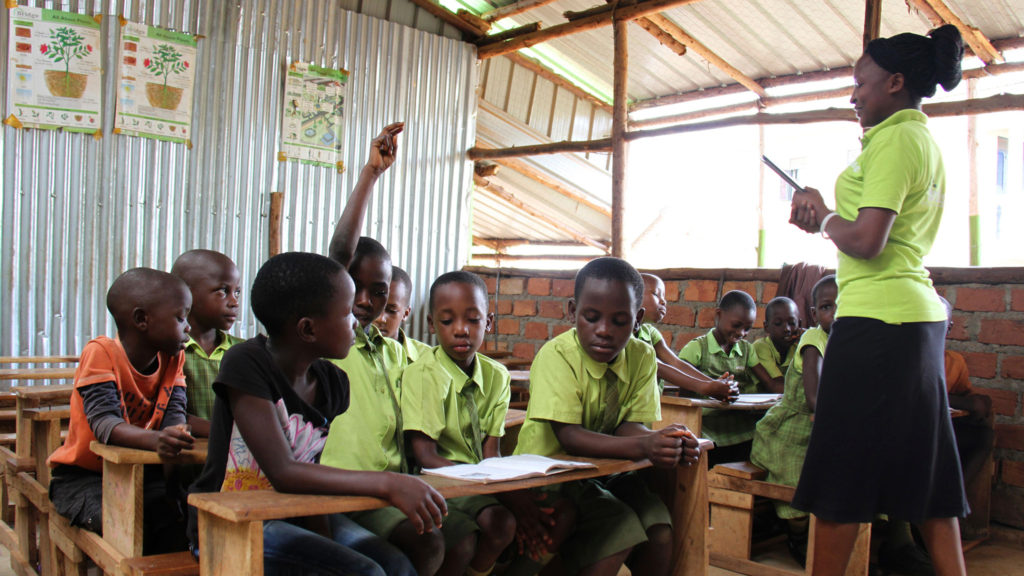
Improving Basic Education Outcomes in Nigeria Effectiveness, Accountability and Equity Issues

This project reviews and assesses the basic education system in Nigeria in the context of Universal Basic Education (UBE) as designed in the UBE Act 2004 with a focus on effectiveness, accountability and equity in basic education financing. The project utilizes desk review of data and literature, interviews with officials at federal, state and local government levels, and structured questionnaires at school level. The report provides an assessment of the effectiveness, accountability, and equity of basic education in Nigeria. The central objective of the UBE Act (2004) is to provide institutional and resource frameworks to promote equity in educational outcomes across the country. Central to this objective are effective mechanisms for financing basic education that ensure availability of resources at the time and place where they are needed, and accountability in the use of resources that hinges on clarity of resource flows, capacity for monitoring and evaluation and oversight by all stakeholders in basic education, including the parents. The dominance of federal government as the source of funds pivots the success of UBE on factors beyond domestic effort, given the dominance of petrodollars in revenues of the federal and state governments and volatility of the market for crude petroleum. The approach is rather ineffective, as allocations from the federal government, plus matching monies raised by the states are insufficient to meet the needs of basic education, creating persistent resource gaps in the funding of basic education infrastructure. In response, schools in some states have introduced different types of levies with the consent of parents and in contravention of the provisions of the UBE Act.

Read More Download PDF Download PDF