 English
 Arab
Arab
 Deutsch
 Português
 China
China
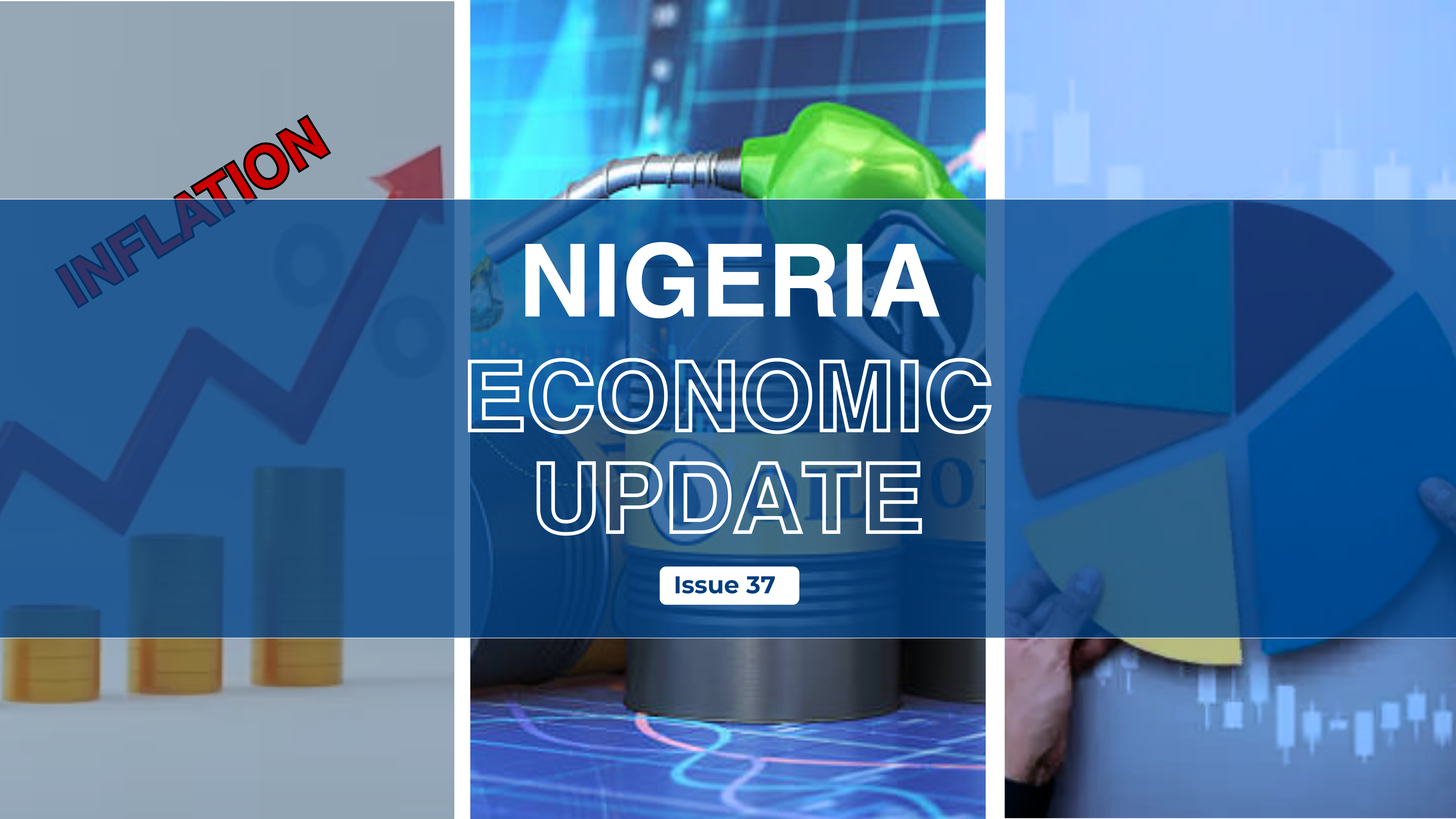
According to the National Bureau of Statistics' (NBS) report, Nigeria’s headline inflation rate eased slightly to 15.39% in August 2026, from 15.43% in July 2026. On a month-on-month basis, the headline inflation rate in August 2026 was 0.71%, down from 1.57% in July 2026, which is a notable deceleration of 0.86 percentage points. Food inflation stood at 19.57% year[1]on-year in August 2026, compared with 25.30% recorded in August 2025. In the month under review, the highest year-on[1]year All-Items inflation rates were recorded in Lagos (23.68%), Zamfara (22.56%), and Enugu (22.06%), while Sokoto (2.11%), Kebbi (3.72%), and Jigawa (3.81%) recorded the lowest rates. Overall, the decline in inflation indicates that, although the general price level in the economy may have continued to rise, the pace of increase has slowed. While the price of goods and services did not necessarily fall, the moderation in the rate of price increases may result in greater price stability if the momentum is sustained. A sustained deceleration in inflation can foster a more conducive environment for investment, savings, and long-term economic decision-making. However, sustaining the downward inflation trajectory to realise these benefits require addressing structural supply-side bottlenecks that continue to drive cost pressures, particularly in food production and energy costs. This can be achieved through targeted investments in agricultural productivity, rural infrastructure, and reliable, affordable power supply.
Download PDF