 English
 Arab
Arab
 Deutsch
 Português
 China
China
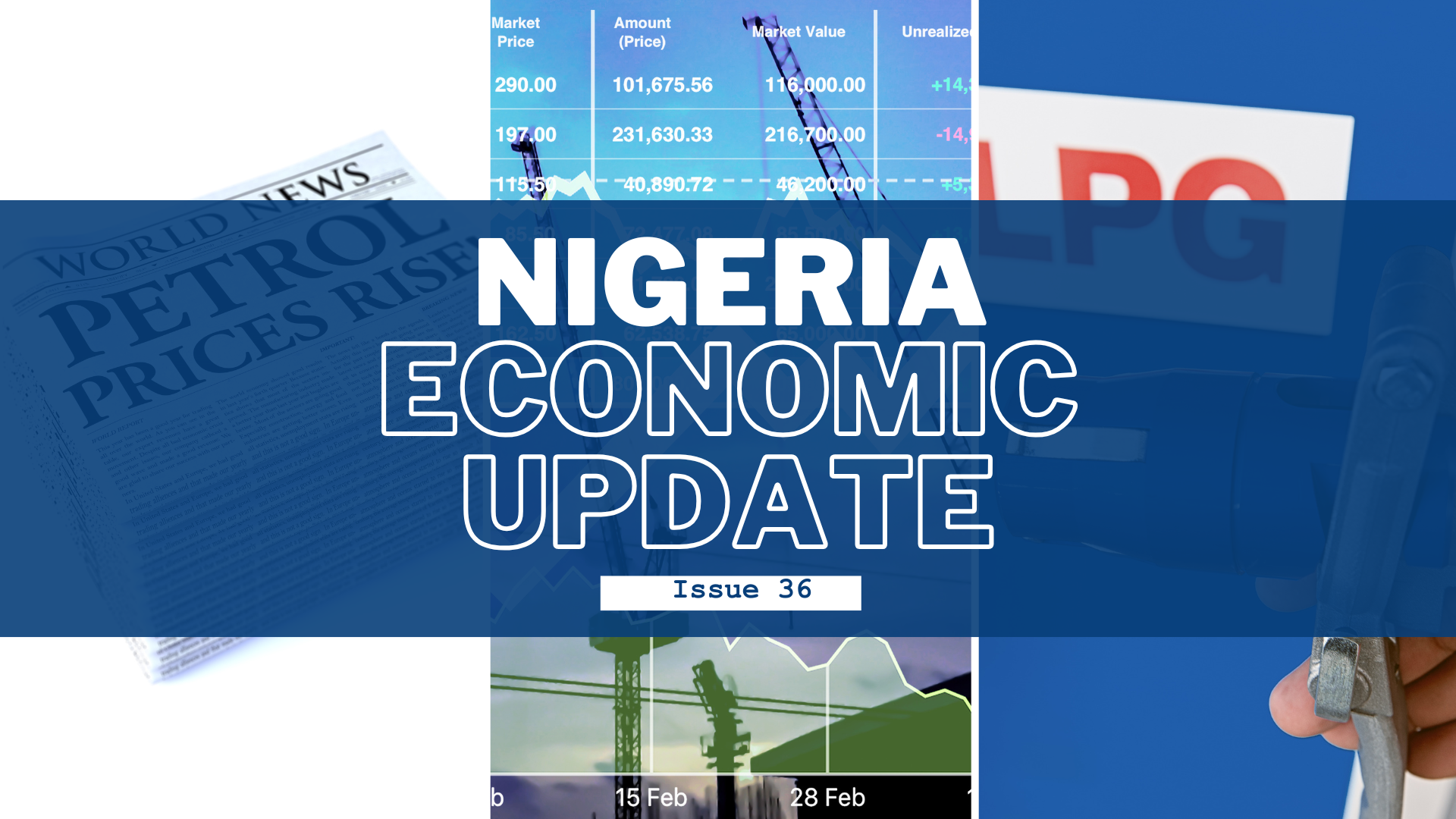
According to the National Bureau of Statistics’ (NBS) Premium Motor Spirit (Petrol) Price Watch for July 2025, the average retail price of petrol increased by 33.02% year-on-year, rising to ₦1,024.99 compared to ₦770.54 in the same period last year. However, the report also showed a 1.22% month-on-month decline in petrol prices when compared to June 2025. Despite this marginal decline, the figures reveal the continued strain that rising petrol prices place on Nigerians, particularly evident in increased transportation costs and the inflationary ripple effects they have on goods and services. A closer look at state-level data revealed stark disparities, as Jigawa State recorded the highest retail price of petrol at ₦1,107.52, followed by Lagos (₦1,100.29) and Sokoto (₦1,100), each significantly higher than the national average. Conversely, Zamfara, Yobe, and Kogi States had the lowest average retail prices for petrol at N884.63, N950.60, and N986.67, respectively. These figures highlight the uneven nature of fuel pricing across states, reflecting structural inefficiencies in supply chains, distribution, and market regulation. To cushion the effects of rising petrol prices on households and businesses, the government should prioritise domestic refining capacity, streamline fuel distribution systems, and invest in transport infrastructure. These measures would help reduce logistics costs, stabilise prices, and ease the broader inflationary pressure.
Download PDF