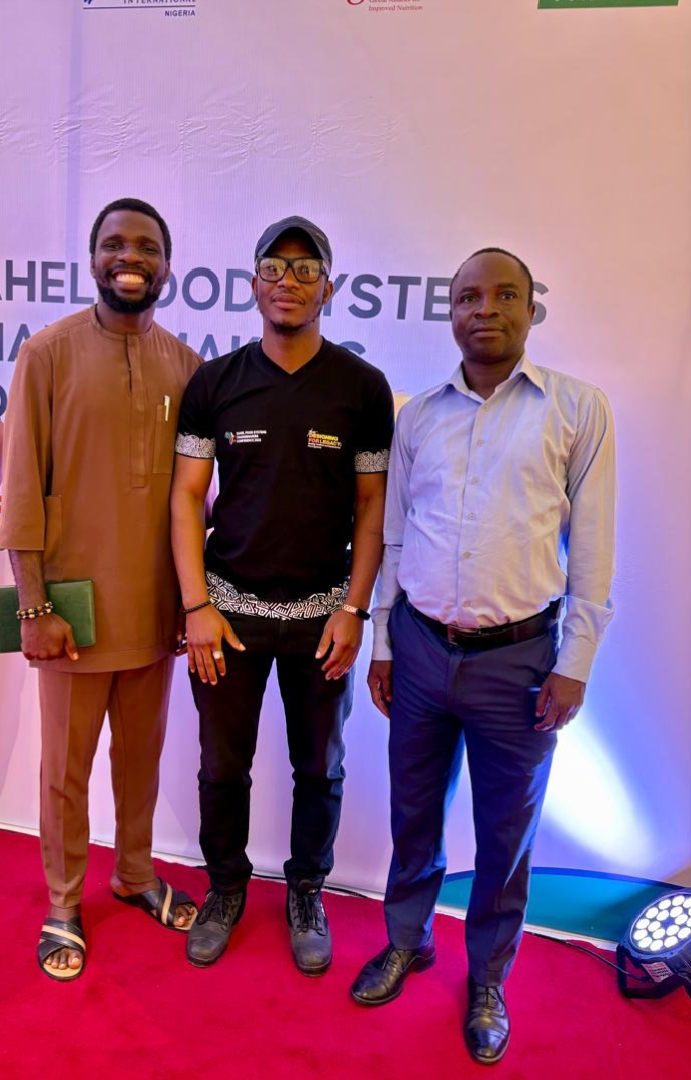
The Sahel Consulting Agriculture and Nutrition Ltd hosted the 2025 Changemakers Conference on 30 October , 2025, at the Abuja Continental Hotel. The high-level event, titled "Designing for Legacy: Building Resilient and Impact-Driven Food Systems," brought together stakeholders from development, finance, trade, health, technology, and grass-roots organisations to discuss innovative strategies for sustainable and inclusive food systems in Nigeria.
Discussions focused on building resilience, inclusivity, and scalability into Nigeria's food systems. Participants stressed the importance of coordinated collaboration among government, the private sector, and research institutions that might expedite progress toward food security. Participants also explored how to improve climate information sharing, across agencies and organisations, and highlighted the need to engage young investors and entrepreneurs in building strong, future-ready food systems.
CSEA was represented by Dr. Isiaka Akande Rafiu. He emphasised the need for a coordinating body to streamline climate information flows and reduce fragmentation among stakeholders. In response, Sahel Consulting, through Mr Chinedu Agbara, committed to develop a dashboard to organise climate information sharing across parties.
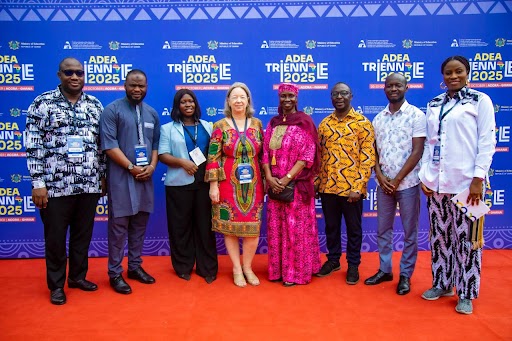
The Association for the Development of Education in Africa (ADEA), in collaboration with the Ministry of Education, organised a high-level event themed “Strengthening the Resilience of Africa’s Educational Systems: Advancing Towards Ending Learning Poverty by 2035 with a Well-Educated and Skilled Workforce for the Continent and Beyond.” The event was held from 29–31 October 2025 at the Labadi Beach Hotel, Accra, Ghana. The event fostered rich peer-learning opportunities, showcased country experiences, and generated actionable policy insights across various education sub-sectors and centered on key thematic areas, including Financing Education and Skills Development; Foundational Learning; Inclusive Education; Gender and Climate Resilience; Secondary Education; Technical and Vocational Education and Training (TVET) and Skills for the Future; Higher Education, Research and Innovation; and Digital Transformation and EdTech. The Triennale convened high-level participants including the Vice President of the Republic of Ghana, Ministers of Education and Finance, senior government officials, representatives of the African Union, multilateral and bilateral development partners, philanthropic foundations, researchers, educators, civil society organisations, youth representatives, and private sector leaders from across Africa and beyond. The Centre for the Study of the Economies of Africa (CSEA) was represented by Dr. Oluwatosin Edafe and Dr. Wudil Adamu, Research Fellows, who shared their thoughts in the various sessions.
The ADEA Triennale 2025 provided a critical platform for advancing dialogue, peer learning, and collaboration on building resilient and inclusive education systems in Africa. By bringing together policymakers, practitioners, and researchers, the event reinforced the importance of coordinated action and evidence-based solutions in accelerating progress towards ending learning poverty and preparing a skilled workforce for the future
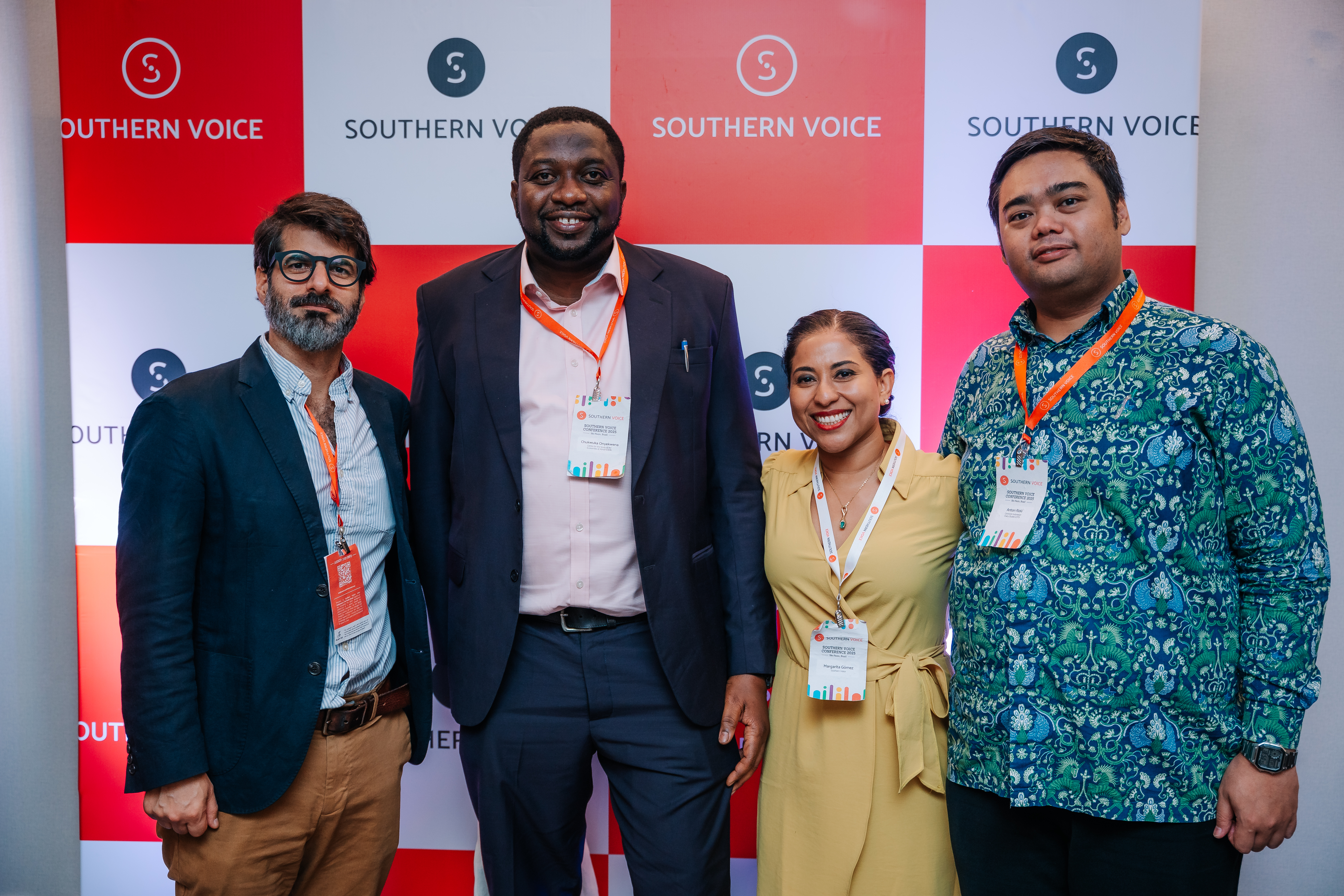
The Centre for the Study of the Economies of Africa (CSEA) participated in the Southern Voice Conference 2025 in São Paulo, Brazil, from October 27–28, held under the theme “Reimagining the Global Development Architecture.” The high-level event convened over 30 think tanks from the Global South to discuss how to build a more inclusive, equitable, and sustainable development future, with sessions on climate change, inequality, and sustainable development.
CSEA’s Executive Director, Dr. Chukwuka Onyekwena, spoke on a panel titled “Empowering the Global South: Shaping the Future of Development in a Shifting World.” The session explored the evolving role of South-South partnerships and the future of international cooperation in advancing shared priorities.
Day Two opened with a plenary on
“Southern Perspectives, Global Influence: Rethinking Our Role,”
which examined how think tanks across the Global South can shape global agendas and drive meaningful change. Parallel sessions focused on equity in research collaborations, innovative strategies for think tank resilience, and translating evidence into policy action. Regional breakout sessions covering Africa, Asia, and Latin America and the Caribbean highlighted common challenges and opportunities for deeper collaboration. The final plenary,
“Collective Action: From Ideas to Implementation,”
was followed by a town hall that set out next steps for the network. Participants reflected on progress since the last convening and offered ideas to strengthen Southern Voice’s collective strategy and value to members.
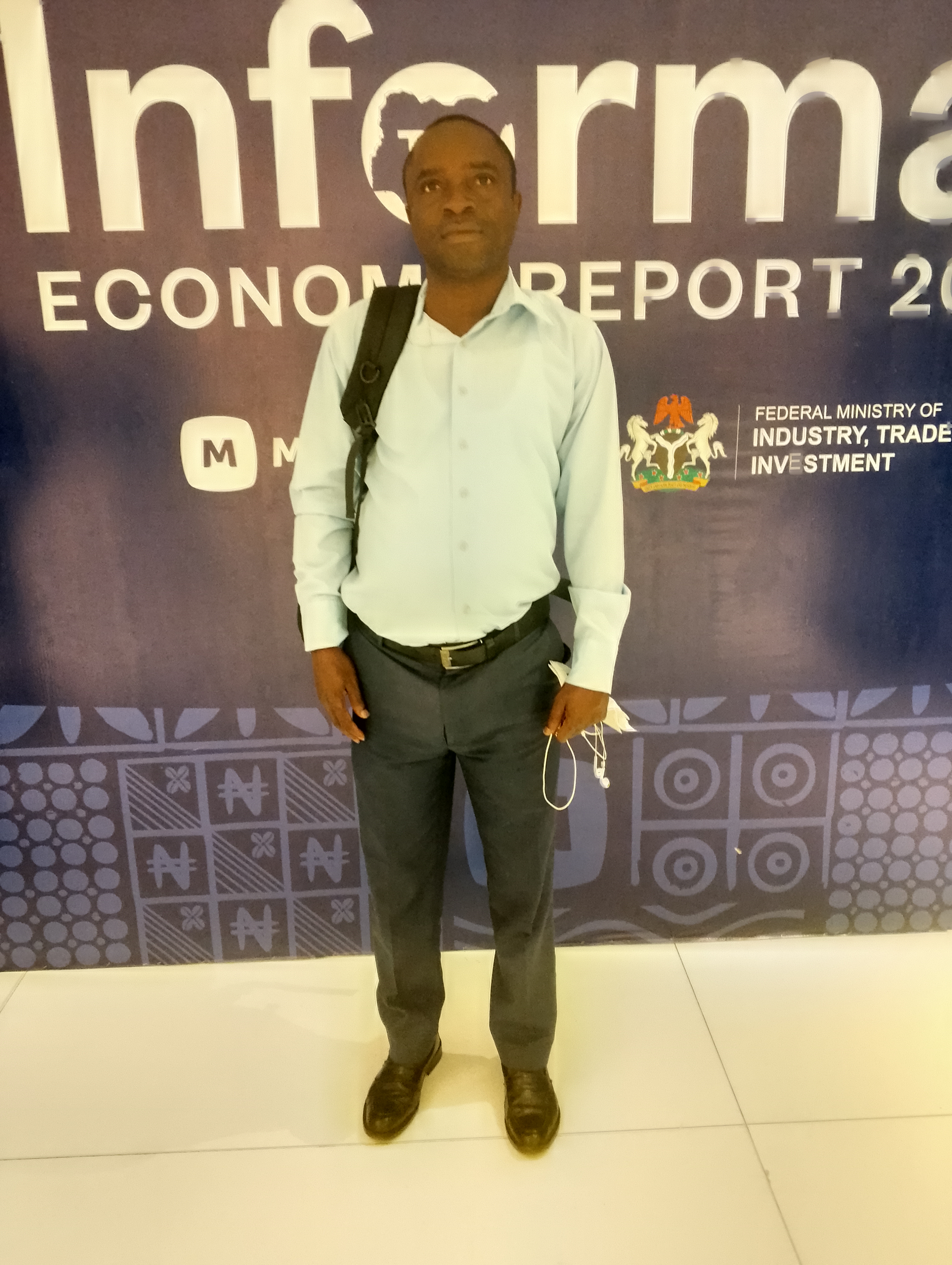
Moniepoint Microfinance Bank Limited (Moniepoint MFB) launched the second edition of Nigeria's Informal Economy Report on October 17, 2025 at the Abuja Continental Hotel. The report examines the informal market and presents fresh insights into the sector. The event had in attendance, senior government and regulatory officials, lawmakers, leaders in finance, trade associations, academia, civil society and development partners.. Dr. Isiaka Akande Raifu, Researcher at the Centre for the Study of the Economies of Africa (CSEA) represented the Centre and gained firsthand access to new evidence that can inform national and sectoral strategies, deepen understanding of Nigeria’s informal economy, and support a more inclusive and sustainable economic landscape. The event also provided a platform for engagement with policymakers on interventions to strengthen and formalise informal enterprise. The report highlights both resilience and vulnerability in the sector. About 65% of informal businesses grew revenue in the last year; however, rising costs meant only 47% recorded higher profits, and 38% earned less than ₦10,000 ($7) per day. Many entrepreneurs start these ventures due to unemployment, yet the sector still generates jobs, with about four in ten businesses employing others. . A digital shift is emerging: while most customers still pay in cash, 48% of owners now pay suppliers via transfers. Despite these gains, many remain financially fragile, with 42% lacking savings to cover one month without income. The launch fostered multi-stakeholder dialogue on challenges and opportunities in the informal sector amid ongoing macroeconomic pressures.
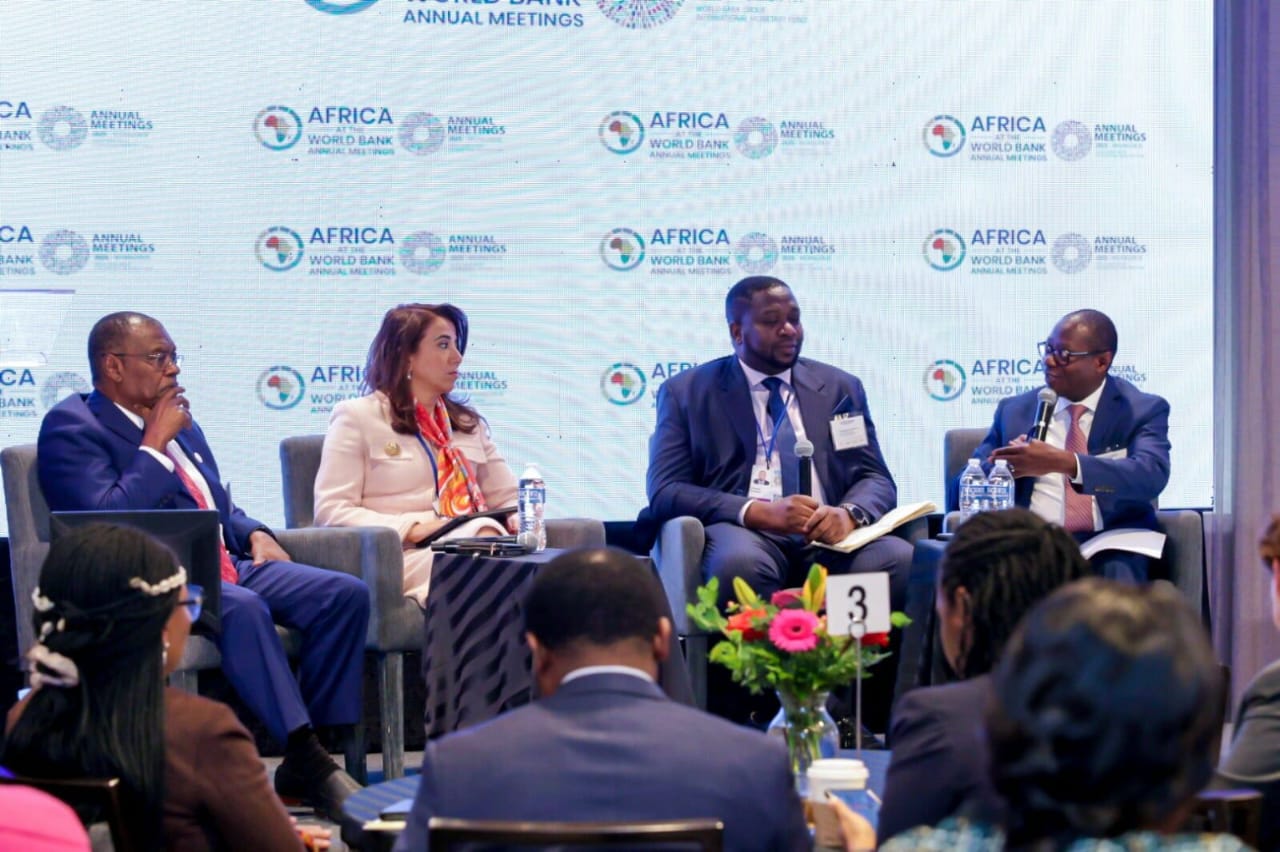
On October 14, 2025, Dr. Chukwuka Onyekwena, Executive Director of the Centre for the Study of the Economies of Africa (CSEA), joined policymakers, development partners, and private sector leaders at the World Bank/IMF Annual Meeting held at the Capital Hilton, Washington D.C. During the “Unlocking African Enterprise: Mobilizing the Private Sector for Jobs” participants discussed how Africa can address its pressing employment challenge by harnessing enterprise and innovation. Dr. Onyekwena ’s highlighted four priorities: diagnosingAfrica’s jobs crisis with evidence; removing barriers that limit private sector job creation; empowering SMEs and entrepreneurs;, and leveraging regional integration through the AfCFTA to expand market opportunities. He also emphasised the need for innovative financing models and enabling policies to drive inclusive and sustainable growth. The discussion l underscored the critical role of effective collaboration between governments, investors, and development partners in creating an environment where businesses can thrive and generate jobs at scale. Drawing on successful case studies, participants demonstrated how private sector initiatives can drive transformative employment outcomes when supported by sound policy frameworks.


 English
 Arab
Arab
 Deutsch
 Português
 China
China