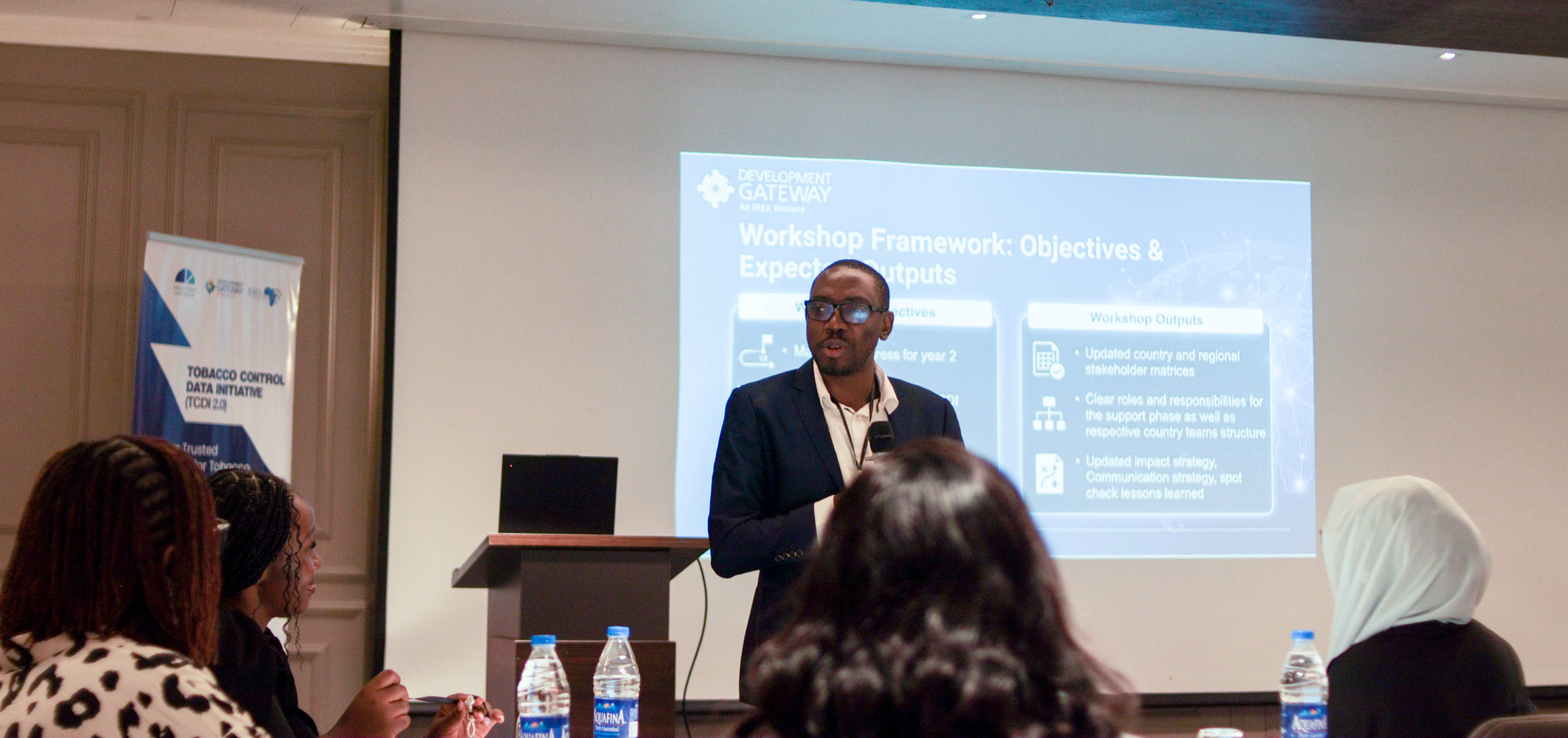
CSEA and Development Gateway (DG) participated in a four-day Tobacco Control Data Initiative (TCDI) Workshop held from December 2nd to 5th, 2025, in Lagos, Nigeria. The workshop brought together programme team members from both organisations to review progress and align on priorities for Year 3. The opening day focused on reflections from Year 2 achievements, onboarding newer team members, and clarifying roles and workplans for the upcoming year.
The second day strengthened internal collaboration through sessions on communication styles, matrix-based project management, and effective impact measurement. Participants also reviewed and updated the programme’s communication strategy to support clearer, more consistent engagement.
The final days of the workshop centred on assessment findings, stakeholder engagement, and cross-country coordination. Team members examined stakeholder matrices, shared country-specific insights, and participated in team-building activities.
The workshop concluded with presentations from the Spot Check Prevalence Survey, followed by a closing handover, marking the transition into the next phase of implementation.
The Centre for the Study of the Economies of Africa (CSEA) organised a stakeholder engagement workshop themed “Strengthening Evidence and Partnerships for Scaling Education Innovations in FCV Contexts” on 20 November 2025 in Borno State, Nigeria. The workshop was convened to support the situational analysis phase of the Accelerated ED+ project. CSEA was represented by Dr. Oluwatosin Edafe and Dr. Wudil Adamu, Research Fellows at the Centre. The workshop sought to achieve several key objectives: to introduce the Accelerated ED+ project, its objectives, and research framework to relevant stakeholders in Borno State; to validate the relevance of selected education innovations, Accelerated Education Programmes (AEPs), Social and Emotional Learning (SEL), and gender-responsive models within Borno’s fragile and conflict-affected context; to identify priority geographic areas and key education challenges to inform the situational analysis; to clarify stakeholder roles and expectations throughout the research process; and to strengthen collaboration among government institutions, civil society organisations, education innovators, and research institutions to support evidence uptake and policy influence. Dr. Edafe presented an overview of the Accelerated ED+ project, outlining its objectives, research questions, and mixed-methods approach. She also moderated a panel discussion that enabled participants to reflect on stakeholder roles across the research lifecycle. The discussions highlighted critical data gaps, coordination challenges, and opportunities to better align research outputs with state and national education priorities. Stakeholders further identified priority Local Government Areas (LGAs) across high, medium, and lower-risk zones, consistent with the project’s stratified approach to FCV contexts in Nigeria. The stakeholder engagement workshop generated valuable insights and consensus that will directly inform the Accelerated ED+ situational analysis. By fostering collaboration and aligning evidence generation with policy priorities, the workshop contributed to the project’s expected outcomes of strengthened capacity, enhanced policy uptake, and improved access to quality education for out-of-school children and youth (OOSCY) in fragile and conflict-affected settings.
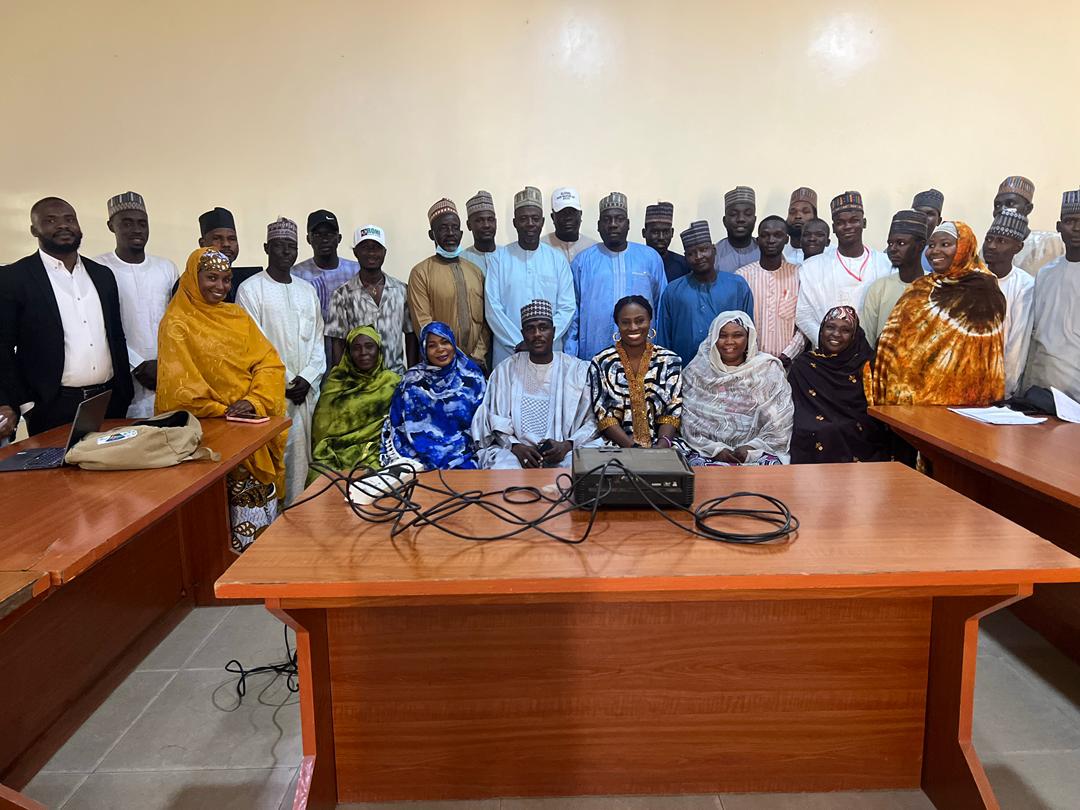
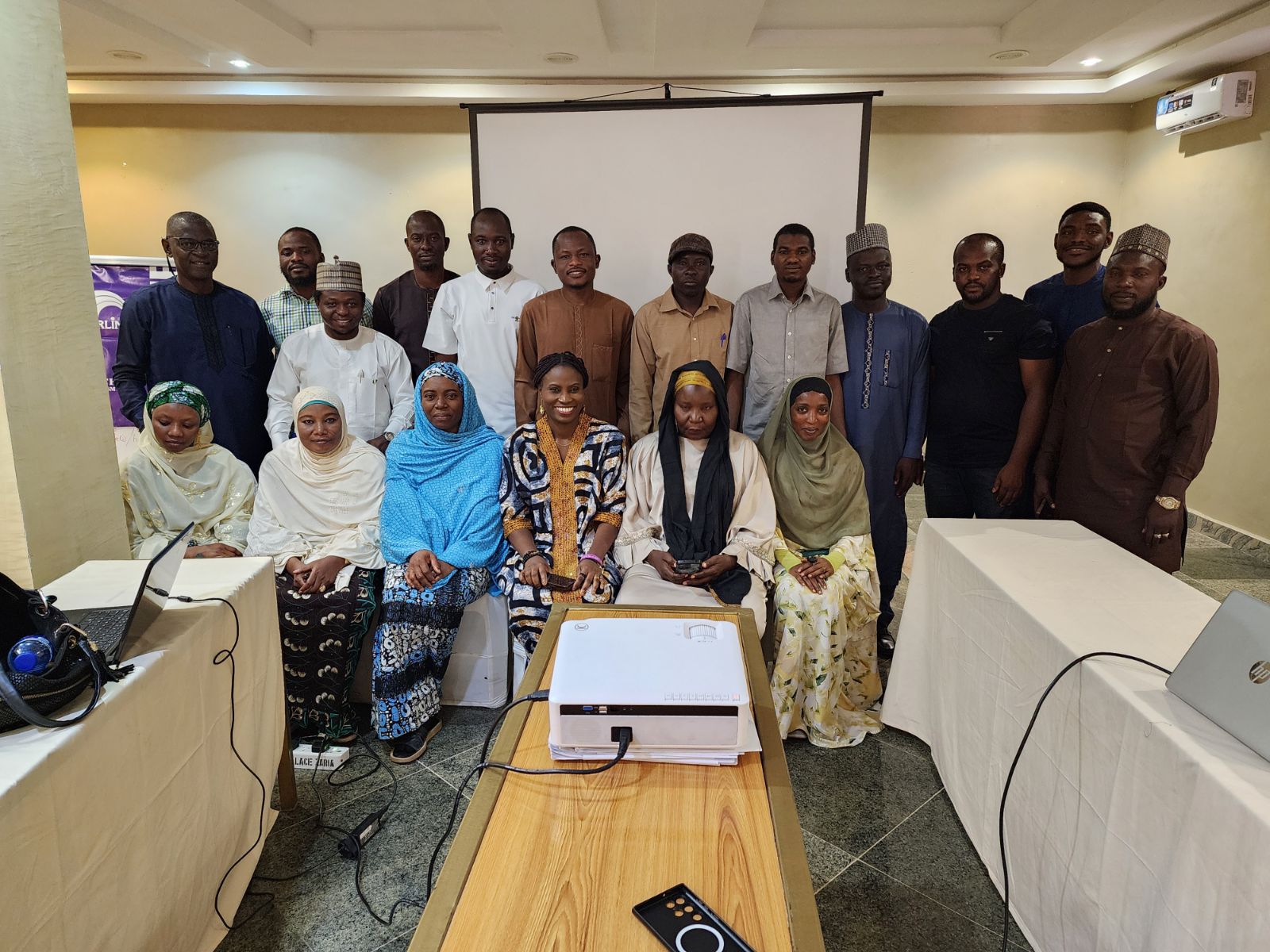
The Centre for the study of the Economies of Africa (CSEA), represented by Dr. Oluwatosin Edafe, Dr. Wudil Adamu, Dr. Jamilu Iliyasu, and Abdulkhalid Salihu, facilitated a two-day capacity-building workshop on November 10 and 11, 2025, for facilitators and note-takers in Zaria, Kaduna State. The training formed a critical component of the UNDP Diagnostic Assessment on Financing for Women in Crises Context project, designed to strengthen data collection processes and better understand women’s financial needs in crisis-affected settings. Dr. Edafe opened the sessions with an overview of CSEA’s mandate and a detailed presentation on the assessment project, outlining the study’s rationale, methodological framework, and the key categories of data required. Building on this , Dr. Iliyasu led a methodology-focused session that explained the use of Focus Group Discussions (FGDs) and Key Informant Interviews (KIIs), the number of sessions planned per state, and the overall structure of the upcoming fieldwork. The second day focused on practical tools and field procedures. AbdulKhalid introduced participants to SurveyCTO, guiding them step-by-step through administering surveys, navigating the digital questionnaire, and uploading completed entries to the server. The CSEA team also finalised the list of communities selected for field activities. The workshop concluded with pilot exercises in designated locations to ensure the facilitators were fully prepared for real-time data collection.
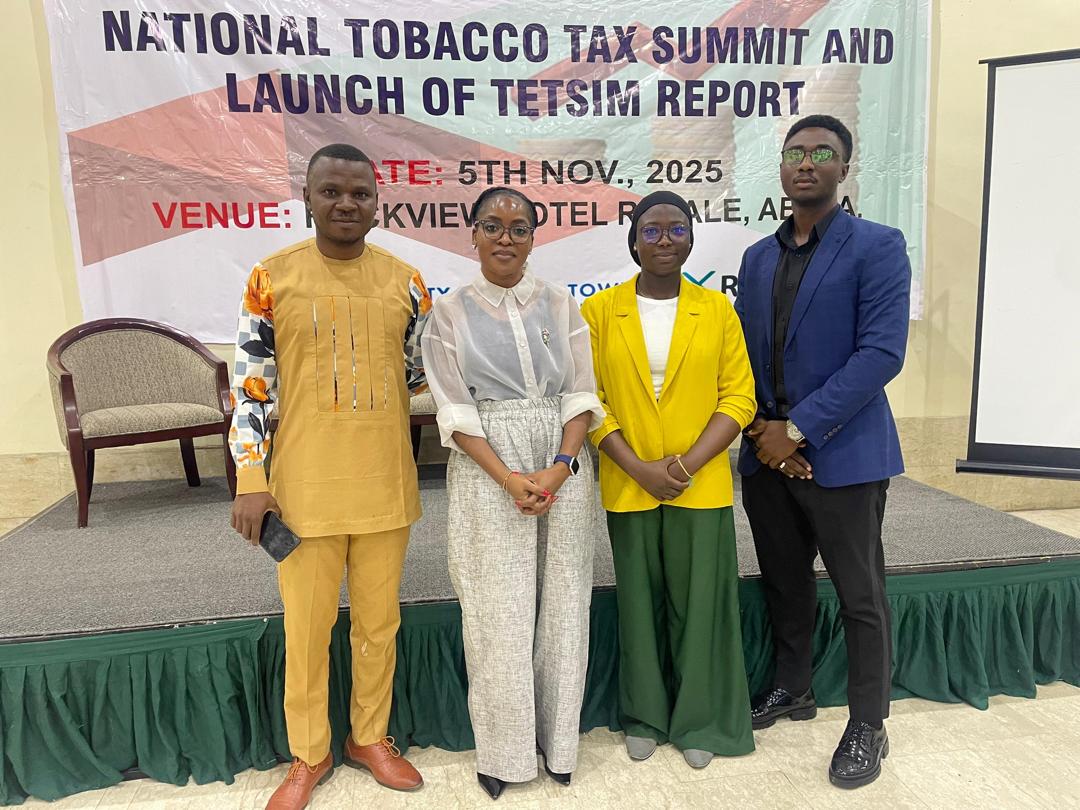
On November 5, 2025, the Civil Society Legislative Advocacy Centre (CISLAC) and Tax Justice Network Africa (TJNA) co-hosted the Nigeria TETSiM Report Launch and Annual Tobacco Tax Summit in Abuja. The event convened stakeholders from the Federal Ministry of Health, the Federal Ministry of Finance, the Nigeria Customs Service, academia, civil society, and the media to discuss practical steps to strengthen Nigeria's tobacco taxation system. The report, based on Nigeria's current economic context, inflationary pressures, and growth dynamics, emphasised two core recommendations: "Policymakers should prioritise increase in the specific excise tax," and "Excise taxes should be raised substantially to offset price and revenue erosion caused by recent inflation, ultimately reducing tobacco consumption while boosting government revenues." CSEA and the Tobacco Control Data Initiative (TCDI) were represented by Tochukwu Okereke (Programme Manager), Halimat Abdulrazaq (Project Manager, Nigeria), and Clinton Essang (Project Manager, Kenya and Ethiopia). The team emphasized the importance of data-driven policymaking and rigorous evidence to deliver tobacco control goals and support durable fiscal reforms across Africa. Discussions highlighted the need for coordinated inter-agency action, stronger data systems, and consistent, evidence-led policy measures to reinforce Nigeria’s tobacco tax regime.
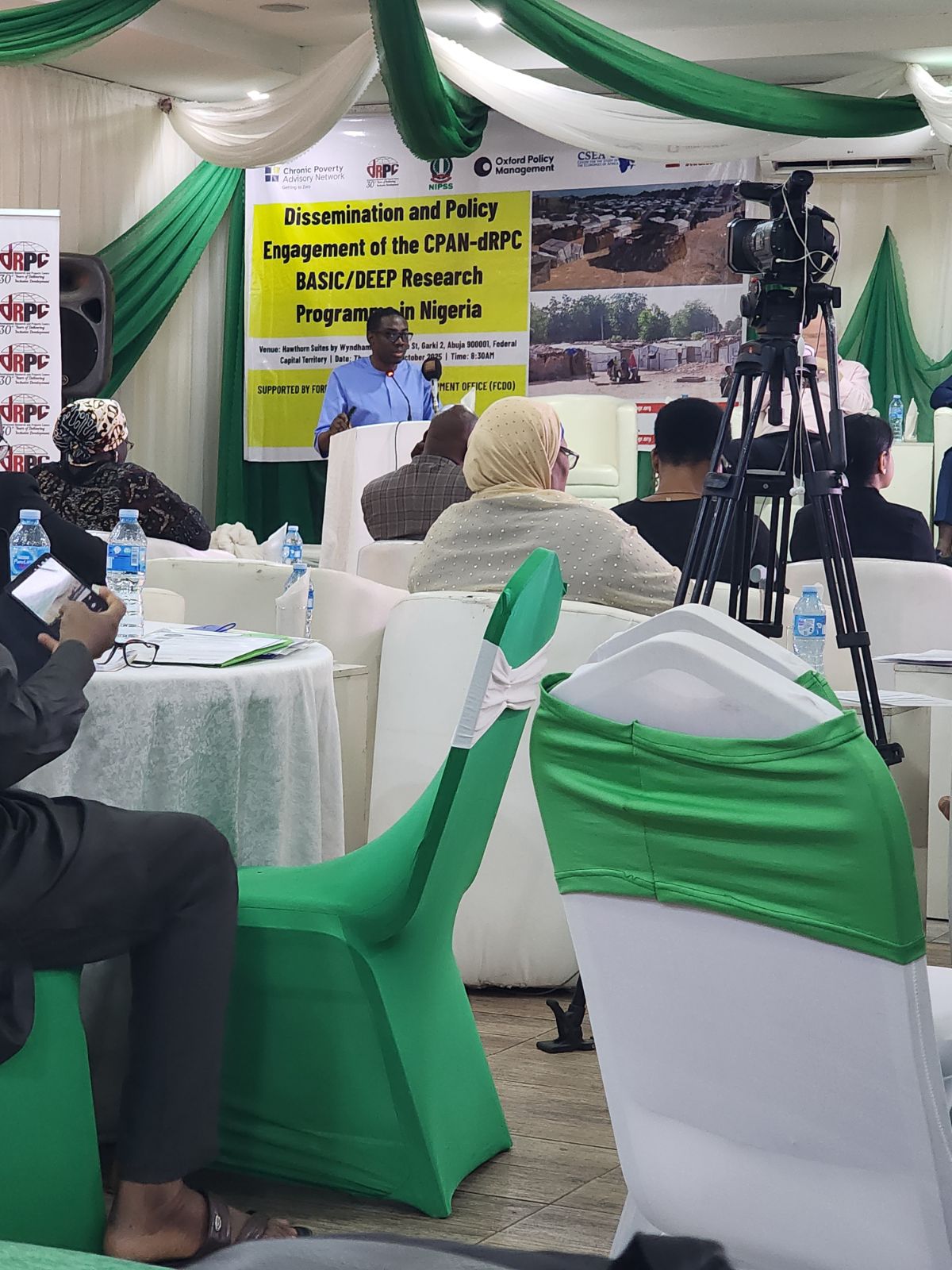
The Centre for the Study of the Economies of Africa (CSEA) participated in the dissemination and policy engagement workshop for the BASIC (Basic Assistance in Crises) Programme, implemented in collaboration with the Chronic Poverty Advisory Network, DRPC, NIPSS, Oxford Policy Management, and the Institute of Development Studies. It was held on 30 October, 2025 at Hawthorn Suites, Abuja.
The workshop brought together key stakeholders to share insights from recent studies on social assistance in Nigeria’s protracted crisis contexts. Discussions explored emerging evidence on poverty dynamics, targeting systems, institutional capacity, digital social protection, and the political economy influencing the design and delivery of social assistance.
CSEA was represented by Dr. Adedeji Adeniran, Director of Research, and Abdulkhalid Salihu, Researcher. Dr. Adedeji presented the Centre’s findings on poverty linkages within crisis-affected communities. He also featured on a panel discussion, addressing questions on how the evidence generated can support more adaptive, inclusive, and shock-responsive social protection policies in Nigeria. The workshop concluded with strengthened stakeholder engagement, deeper evidence-based dialogue, and clearer policy pathways to improve the effectiveness and resilience of Nigeria’s social assistance systems..


 English
 Arab
Arab
 Deutsch
 Português
 China
China