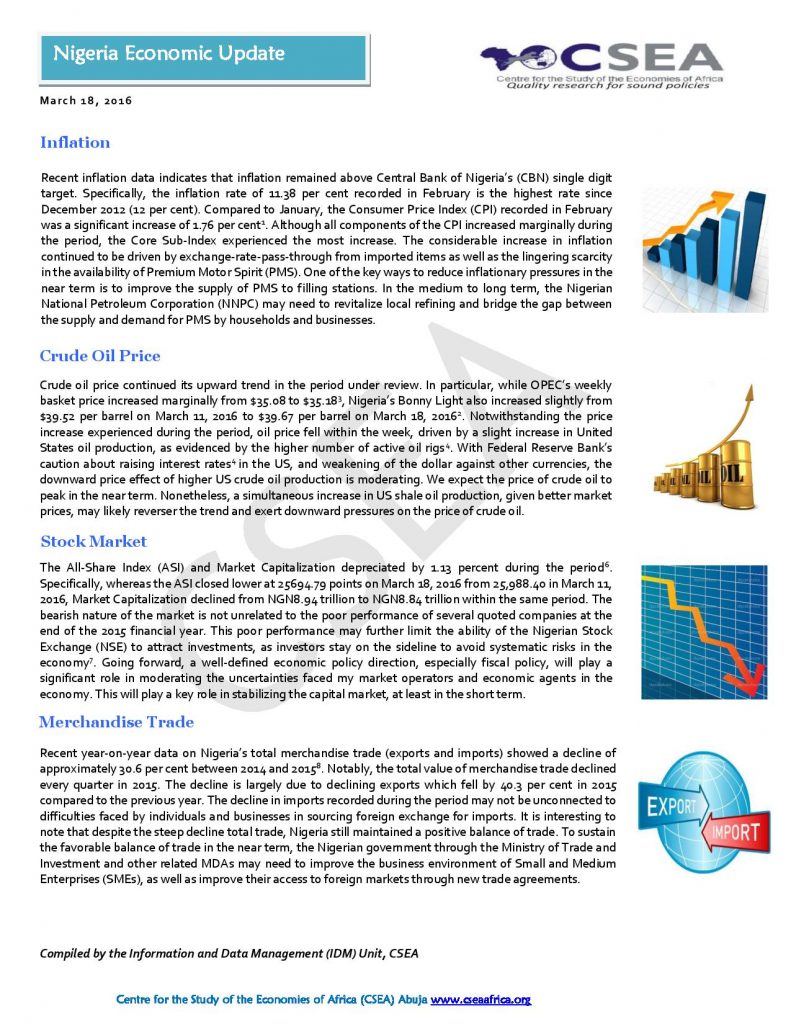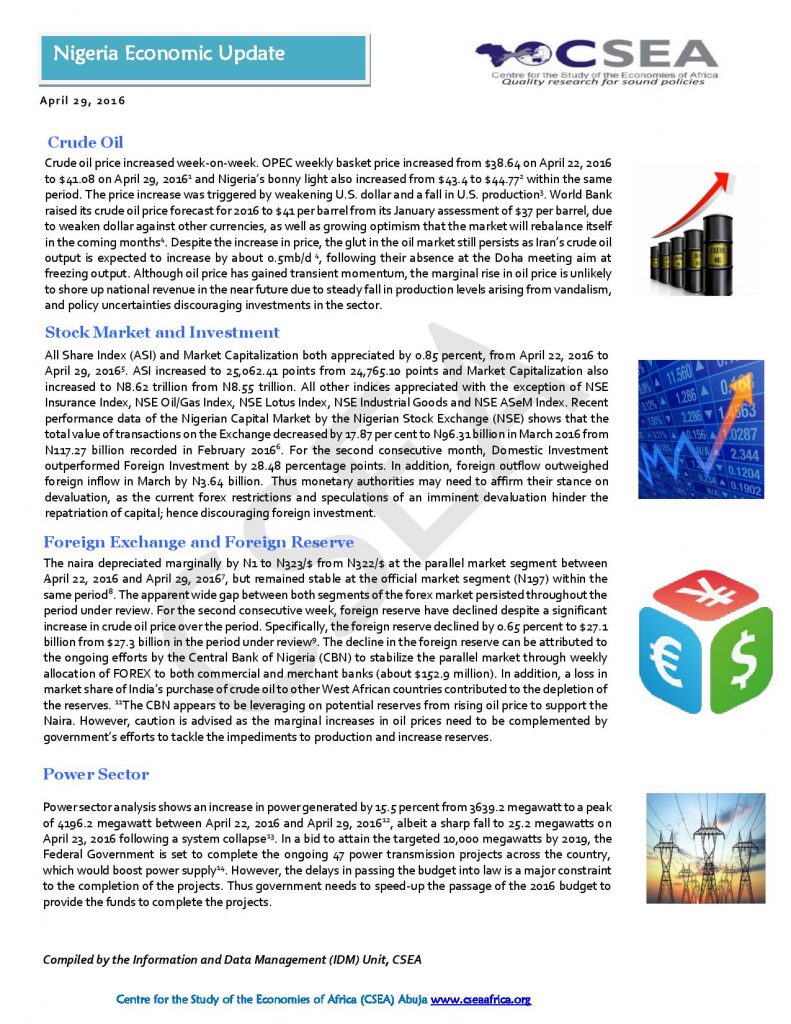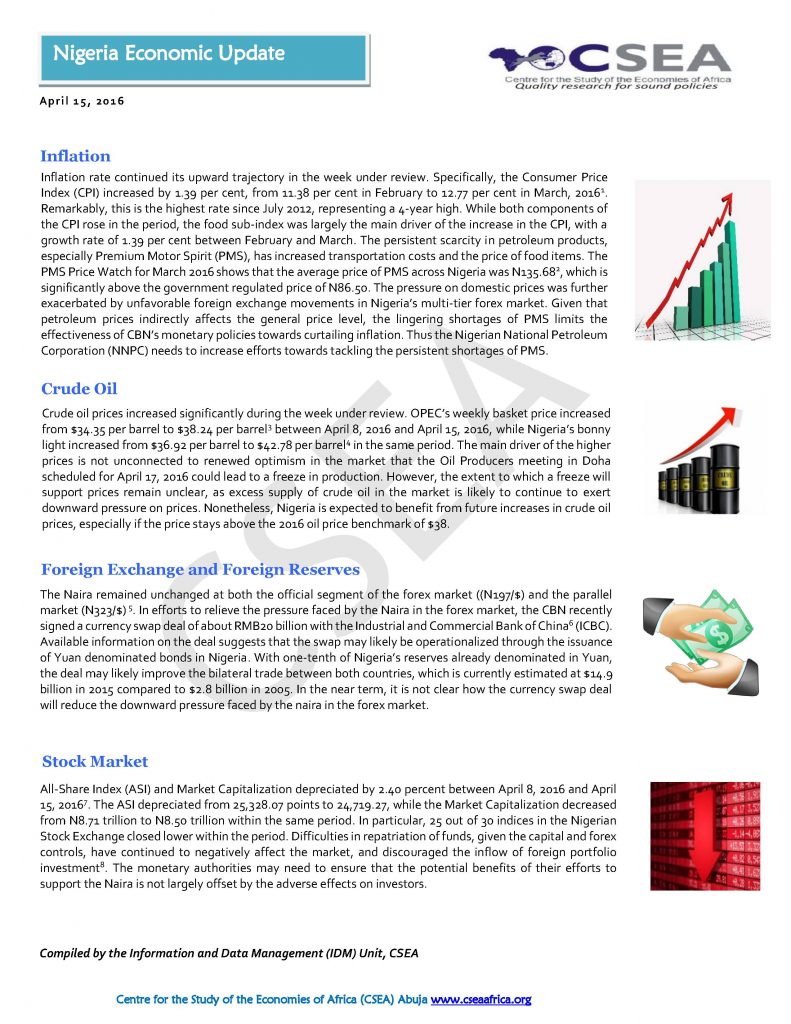
 English
 Arab
Arab
 Deutsch
 Português
 China
China
In January 2025, the Central Bank of Nigeria reported a 1.85% increase in money supply (M3), rising from ₦108.96 trillion in November 2024 to ₦110.98 trillion in January 2025. The report also showed that net foreign assets stood at ₦35.39 trillion in January 2025, reflecting a 19% year-on-year increase from ₦29.73 trillion in January 2024. Similarly, net domestic assets grew by 16.5% year-on-year, from ₦64.87 trillion in the previous year to ₦75.59 trillion in January 2025. The rise in money supply (M3), which measures the total amount of money circulating in the economy, was driven by increased lending, higher spending activity, and a surge in foreign investment inflows. The increase in net foreign assets resulted from improved external reserves and a stronger trade balance. While this expansion in broad money supply can stimulate economic activity and investment through increased domestic credit and liquidity, it may also fuel inflationary pressures, especially if supply-side constraints persist. To mitigate these risks, policies should be implemented to strengthen domestic production in manufacturing, agriculture, and industrial output to meet rising demand and absorb excess liquidity. Additionally, the Central Bank of Nigeria should adopt a cautious monetary stance to balance economic growth with price stability.
Download PDF