 English
 Arab
Arab
 Deutsch
 Português
 China
China
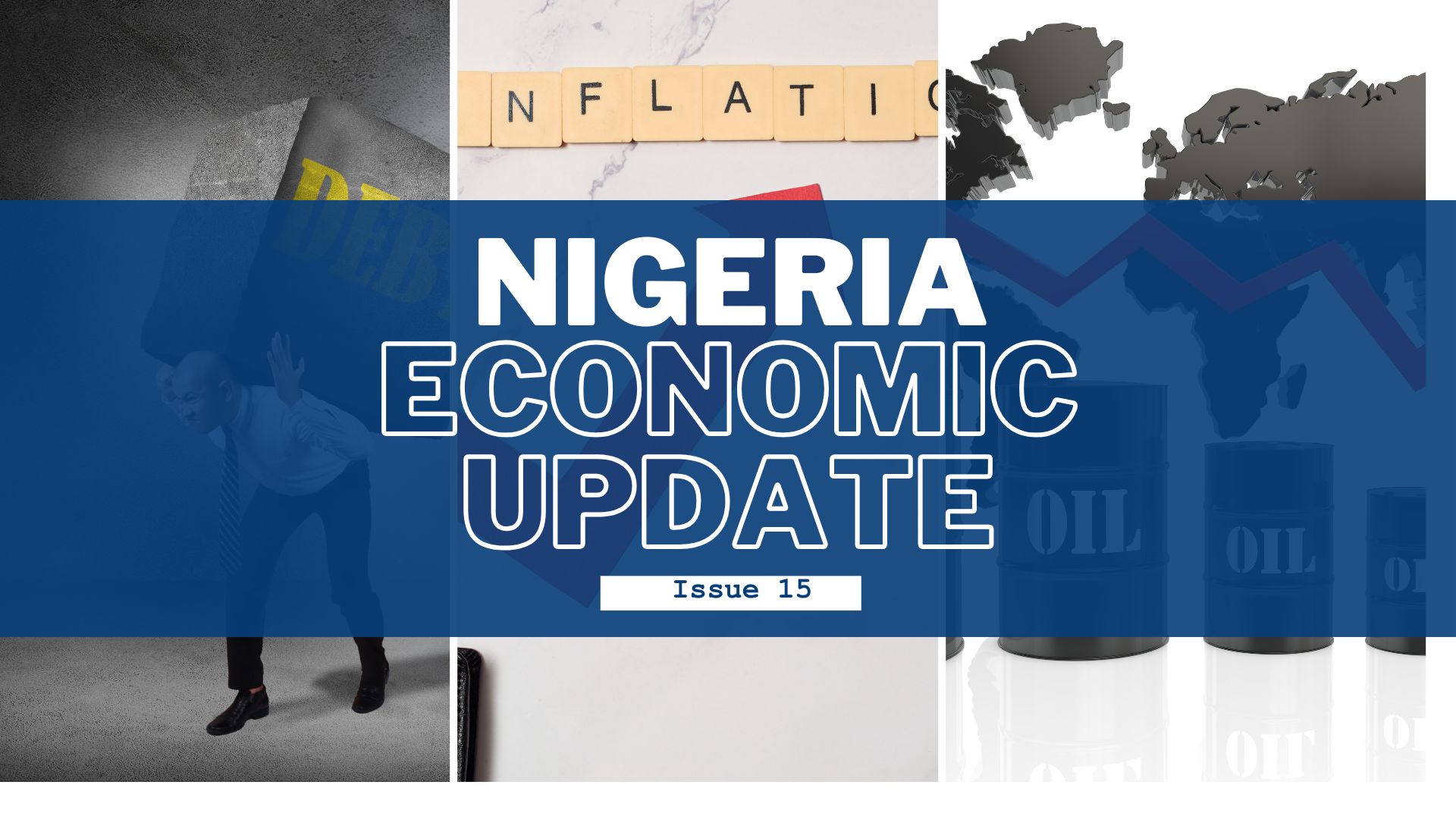
According to recent data from the Debt Management Office (DMO), Nigeria’s total public debt stood at ₦159.28 trillion in December 2025, up from ₦153.29 trillion in September 2025, representing a quarterly increase of ₦5.99 trillion (3.90%). A year-on-year comparison shows that total public debt rose by ₦14.61 trillion from ₦144.67 trillion in December 2024, representing a 10.10 percent rise over the period. A breakdown of the debt stock in December 2025 indicates that external debt amounted to ₦74.43 trillion, accounting for 46.73 percent of total public debt. Of this amount, the Federal Government held ₦66.27 trillion, while the States and the Federal Capital Territory accounted for ₦8.16 trillion. Domestic debt was higher at ₦84.85 trillion, representing 53.27 percent of the total, with the Federal Government responsible for ₦80.49 trillion and the States and the FCT for ₦4.36 trillion. This structure highlights the continued dominance of domestic borrowing and the significantly larger debt burden borne by the Federal Government relative to subnational governments. It also demonstrates a sustained reliance on borrowing to meet financing needs, with domestic instruments remaining the primary source of funding. To manage rising debt exposure, fiscal policy should prioritise enhanced non-oil revenue mobilisation to reduce dependence on borrowing, improve expenditure efficiency to contain recurrent spending pressures, and gradually increase reliance on concessional external financing to moderate debt servicing costs.
Download PDF