Publications

Follow via RSS

Nigeria Economic Update (Issue 4)

Data from the National Bureau of Statistics (NBS) shows an overall increase in tax revenues for 2020. Total revenue generated from Value Added Tax (VAT)1 and Company Income Tax (CIT)2 stood at approximately N2.94trillion, representing a 5% increase from N2.81trillion reported in prior year. However, although the net revenue showed growth, only VAT receipts increased year-on-year by 29%, whereas, CIT revenue decreased by 13%. The professional services sector was the biggest contributor to both VAT and CIT receipts, while mining and textile/garment industry generated the least VAT and CIT revenues respectively. Considering the economic circumstances during 2020, the slight growth in tax revenues is a positive indicator. It is important for tax policymakers to continue monitoring the effectiveness and impact of ongoing tax reforms on the economy.

Read More Download PDF

Nigeria Economic Update (Issue 3)

According to data from the National Bureau of Statistics (NBS), a 0.28% month-on-month increase in the average price of Automotive Gas Oil (diesel) was recorded as the price in December 2020 increased to N224.37 from N223.74 in November 20201. Similarly, the average price for the refilling of a 5kg cylinder for Liquefied Petroleum Gas (Cooking Gas) has increased by 0.12% month-on-month to N1949.75 in December 2020 from N1947.47 in the previous month2. The results were similar regarding the refilling of a 12.5kg cylinder with a 1.75% month-on-month increase. Contrarily, the average price paid by consumers for premium motor spirit (petrol) decreased month-on-month by -0.94% to N165.70 from N167.27 in the previous month3. Overall, in month of December 2020, gas prices rose most likely as a result of rising crude oil prices in the international market. Low-income households are less likely to be affected given that their consumption of these products is relatively lower than middle- and high-income households. However, the general decline in income due to the effect of the COVID-19 pandemic makes the increment nonetheless an economic burden.

Read More Download PDF

Extending MSMEs’ access to trade finance under the AfCFTA

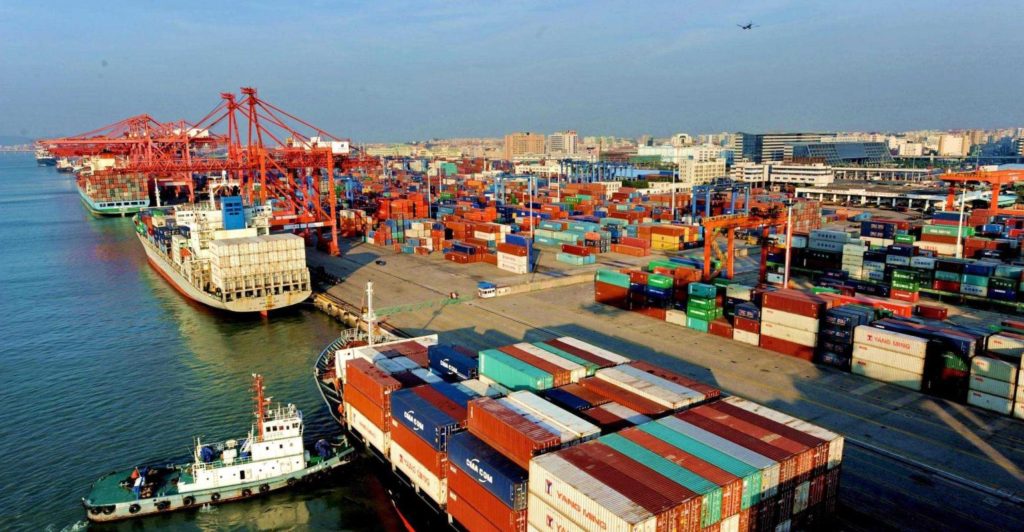
While the African Continental Free Trade Area (AfCFTA) provides opportunities for regional financial sector development, it also poses a real test for the continent’s financial system. The ability of Africa’s financial sector to perform the crucial function of facilitating economic growth and integration, at the required scale to support the capacity of small firms to benefit from the single African market remains shaky. In terms of opportunities, the elimination of inhibitive regulations under the AfCFTA is expected to ease cross border trade, enable capital and information flow, attract greater foreign and intra-continental investments, potentially increase capital funds, and provide a much larger customer base for financial institutions to serve. This potential new market base includes traditionally excluded micro, small and medium enterprises (MSMEs) that constitute a large share of the African economy. MSMEs are expected to be a major catalyst for increasing intra African trade and shared economic growth. However, the constraint to MSME financing is a major threat to the success of the AfCFTA as effective economic integration and development depend on easily accessible and affordable capital. This brief therefore advocates for urgent implementation of harmonised financial sector policy reforms across the continent to eliminate these funding constraints, and allow for a more supportive business environment.

Click link below to download full brief

Read More Download PDF

Nigeria Economic Update (Issue 2)

Discussions are underway between the Nigerian National Petroleum Corporation (NNPC) and a range of foreign and Nigerian trading houses with the NNPC aiming to raise $1 billion oil prepayment towards the revamping of the Port Harcourt refinery.¹ The funds acquired are expected to be repaid through the delivery of refined products over a span of seven years. In 2019, the refineries of Nigeria lost approximately N167 billion ($439.47 million) leading to the shutting down of the refineries in April 2020 for rehabilitation. If the project is successful, Nigeria’s fuel import bill will be reduced. Additionally, it would be the country’s second oil-backed financing since the onset of the COVID-19 pandemic. Currently, a key financing source is the African Export-Import (Afrexim) Bank. Some foreign banks have stated their aversions to participating or contributing to the project due to their consideration of Nigeria as a high-risk country and low credit availability. The use of sales of refined products to finance the rehabilitation of the refinery provides the appropriate incentive for successfully completing the project. However, the use of public-private partnerships in managing the refinery should be considered in order to enhance efficiency and effectiveness.

Read More Download PDF

Nigeria Economic Update (Issue 1)

Discussions are underway between the Nigerian National Petroleum Corporation (NNPC) and a range of foreign and Nigerian trading houses with the NNPC aiming to raise $1 billion oil prepayment towards the revamping of the Port Harcourt refinery.¹ The funds acquired are expected to be repaid through the delivery of refined products over a span of seven years. In 2019, the refineries of Nigeria lost approximately N167 billion ($439.47 million) leading to the shutting down of the refineries in April 2020 for rehabilitation. If the project is successful, Nigeria’s fuel import bill will be reduced. Additionally, it would be the country’s second oil-backed financing since the onset of the COVID-19 pandemic. Currently, a key financing source is the African Export-Import (Afrexim) Bank. Some foreign banks have stated their aversions to participating or contributing to the project due to their consideration of Nigeria as a high-risk country and low credit availability. The use of sales of refined products to finance the rehabilitation of the refinery provides the appropriate incentive for successfully completing the project. However, the use of public-private partnerships in managing the refinery should be considered in order to enhance efficiency and effectiveness.

Read More Download PDF

Nigeria Economic Update (Issue 50)

Data from the International Monetary Fund (IMF) shows that real GDP is projected to contract by 3.25 percent at the end of 2020 due to the negative impact of the COVID-19 pandemic.1 The economy is expected to recover with minimal growth of 1.5 percent in 2021 with output returning to its pre-pandemic level by the year 2022. Fiscal deficits are expected to remain elevated as revenue collections have significantly dropped. Inflation is also expected to increase, which places the economy in a very vulnerable state. The IMF suggests that major policy adjustments such as exchange rate and monetary policy reforms, increased revenue mobilization and structural reforms need be implemented to achieve economic recovery and growth. The removal of fuel subsidy as well as the devaluation of the naira signals adequate political will in embarking on bold reforms. However, future economic reforms need to be proactive rather than reactionary, and wholistic rather than in parts. Furthermore, the government should leverage on high level public officials that have demonstrated the will for achieving structural change, technical assistance from external development institutions, and the experience of best practice countries.

Read More Download PDF

Building Businesses Back Better amid COVID-19 Pandemic in Africa

This research analyses the effects of COVID-19 pandemic on micro, small and medium business activities, and its implications for how to be better prepared for possible future socioeconomic shocks, and the geopolitical repercussion for African governments.

This article was first published as a Visiting Scholars’ Opinion Paper for the Korea Institute for International Economic Policy (KIEP)

Read More Download PDF

Nigeria Economic Update (Issue 49)

According to the National bureau of Statistics1, total value of Nigeria’s merchandise trade grew to N8,374.4 billion in Q3 2020, representing a 34.15% increase when compared to the previous quarter. The bulk of the country’s trade for the period comprises imports, which accounted for 64% while exports formed 36% of total trade (majorly from sale of crude oil produce). Further disaggregation of the data shows that while the value of export is gradually rising (34.85% more than Q2 2020) due to relative increase in economic activities, it remains significantly less by 43.41% in Q3 2019. Whereas imports continue to soar high, thereby worsening the widening trade deficit. It is therefore critical for government to intensify its efforts towards economic diversification, and implement better policies/ strategies to support non-oil exports, in order to curtail this negative trend.

Read More Download PDF

Nigeria Economic Update (Issue 48)

The Central Bank of Nigeria (CBN) is taking critical steps in efforts to close the 8.5 percent gender financial inclusion gap and achieve 95 percent financial inclusion by 2024. 34,000 women have accessed 62 percent of the Micro, Small and Medium Enterprises Development Fund (MSMEDF) while over N9.5 billion has been disbursed to over 3,600 women through the Agribusiness Small and Medium Enterprises Equity Investment Scheme (AGSMEIS). Women have also significantly benefitted from other interventions such as the Textile Sector Intervention Facility, Real Sector Support Facility, and Commercial Agriculture Credit Scheme1. In order to ensure gender parity in financial inclusion, women should be incorporated into high wage sectors and become better educated to enable them earn sufficient income and access the financial services available.

Read More Download PDF