


News & Events

  • Home
  • News & Events

CSEA participates in LUMINAH 2030 transition to UBEC

On August 19, 2025, CSEA participated in the  formal migration of the LUMINAH 2030 initiative to the Universal Basic Education Commission (UBEC). The event marked a significant step  towards enhancing  inclusivity, relevance, and sustainability in addressing the education needs of marginalised girls in conflict and violence affected areas across Nigeria. 

CSEA was represented by Dr. Adedeji Adeniran, Director of Research, and Dr. Adamu Wudil, Research Fellow.. In a goodwill message, Dr. Adeniran reaffirmed the Centre’s commitment to supporting the LUMINAH 2030 initiative through policy advice, evidence generation, monitoring, and adaptive learning. He emphasized that CSEA remains dedicated to ensuring that the initiative achieves its vision of transforming access to quality education for vulnerable learners.

 LUMINAH 2030 builds on CSEA’s research titled  “Advancing Educational Solutions: Research for Scaling Education Innovations in Emergencies and Fragile, Conflict and Violence-affected areas of Burkina Faso, Ghana and Nigeria,” which is  supported by the Global Partnership for Education Knowledge and Innovation Exchange (GPE KIX).

By embedding LUMINAH 2030 into Nigeria's educational frameworks, this partnership will enhance policy integration, provide the groundwork for long-term sustainability, and ensure  that  the most marginalised students do not fall behind.

A person standing in front of a screen

AI-generated content may be incorrect.
Two men sitting at a table

AI-generated content may be incorrect.
A group of people sitting at a table

AI-generated content may be incorrect.
Read More

CSEA and NBS host a One day Sensitization Workshop on Nigeria’s Gross Domestic Product (GDP) and Consumer Price Index (CPI)

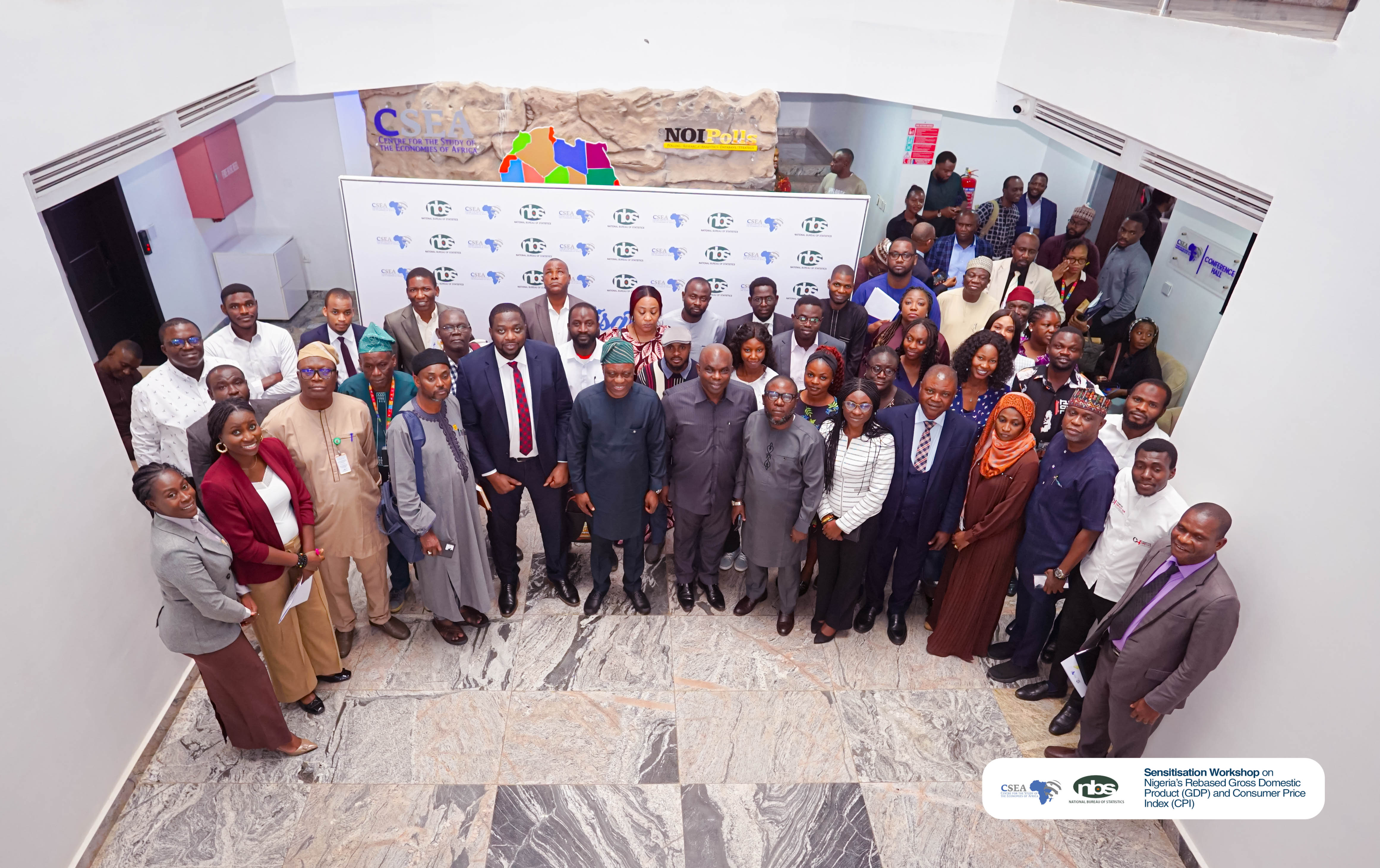
The Centre for the Study of the Economies of Africa (CSEA), in collaboration with the National Bureau of Statistics (NBS), held  a one-day sensitization workshop  on August 14, 2025, to deepen public understanding of  Nigeria’s rebased Gross Domestic Product (GDP) and updated Consumer Price Index (CPI) methodology. The revised economic indicators are critical for evidence-based policymaking, efficient resource allocation, and informed  programme design that  shape the country’s economic trajectory. The event convened economists, statisticians, financial experts, policymakers, and researchers to  discuss the implications of the rebased figures for Nigeria’s development. 

In his opening remarks, Dr. Chukwuka Onyekwena, Executive Director of CSEA, commended NBS for the release of the updated figures  and emphasised the need for  wide dissemination to enhance public awareness and policy use. He noted that the rebased GDP captures emerging sectors and reflects current economic realities. 

Prince Adeyemi Adeniran, Statistician-General of the Federation and CEO of NBS, reaffirmed  that reliable and accessible data are vital for Nigeria’s growth ambitions, including the target  of achieving a $1 trillion economy by2030.  He underscored  the importance of reliable statistics to government, policymakers, investors, and development partners.

Panel discussions provided diverse expert perspectives.Dr. Robert Asogwa, a macroeconomist, cautioned that the 2024 base year may not fully capture economic realities given inflationary shocks, subsidy removal, and FX unification. He called for greater focus on inclusive growth, credibility of underlying data, proper recognition of the informal sector, and the political will to drive reforms. Prof. Adeola Adenikinju, President of the Nigerian Economic Society, highlighted  the decline in Nigeria’s economy, particularly  the manufacturing sector, as well as  real incomes, while Obi Asika, Director-General of the National Council for Arts and Culture, highlighted gaps in data coverage for the creative industries, and urged greater investment in data and skills to harness the creative sector’s potential. Prof. Uche Uwaleke of Nasarawa State University, identified key barriers to economic growth- ; weak human capital, underutilised natural resources, poor energy supply, inadequate transport system, ICT infrastructure, corruption, and limited access to credit for businesses.

While the rebased GDP and CPI offer a clearer and more comprehensive picture of Nigeria’s economy, participants agreed that robust data must be matched with bold reforms, strong institutions, and inclusive policies to drive sustainable growth. By translating evidence into action, the rebasing exercise can serve not just as a statistical update, but as a catalyst for Nigeria’s economic transformation and improved livelihoods.

A group of people sitting in chairs

AI-generated content may be incorrect.
A person sitting at a desk with microphones

AI-generated content may be incorrect.
A group of men sitting at a table

AI-generated content may be incorrect.
A person in a suit sitting at a desk

AI-generated content may be incorrect.
A person holding a microphone

AI-generated content may be incorrect.
A group of men in suits

AI-generated content may be incorrect.
A person in a suit holding a microphone

AI-generated content may be incorrect.
A group of people sitting at a table

AI-generated content may be incorrect.
A group of people standing together

AI-generated content may be incorrect.
A person speaking into a microphone

AI-generated content may be incorrect.
Read More

Second-Round Effects, Central Bank Credibility, Exchange Rate Devaluation, and Monetary Policy in a Small Open Economy

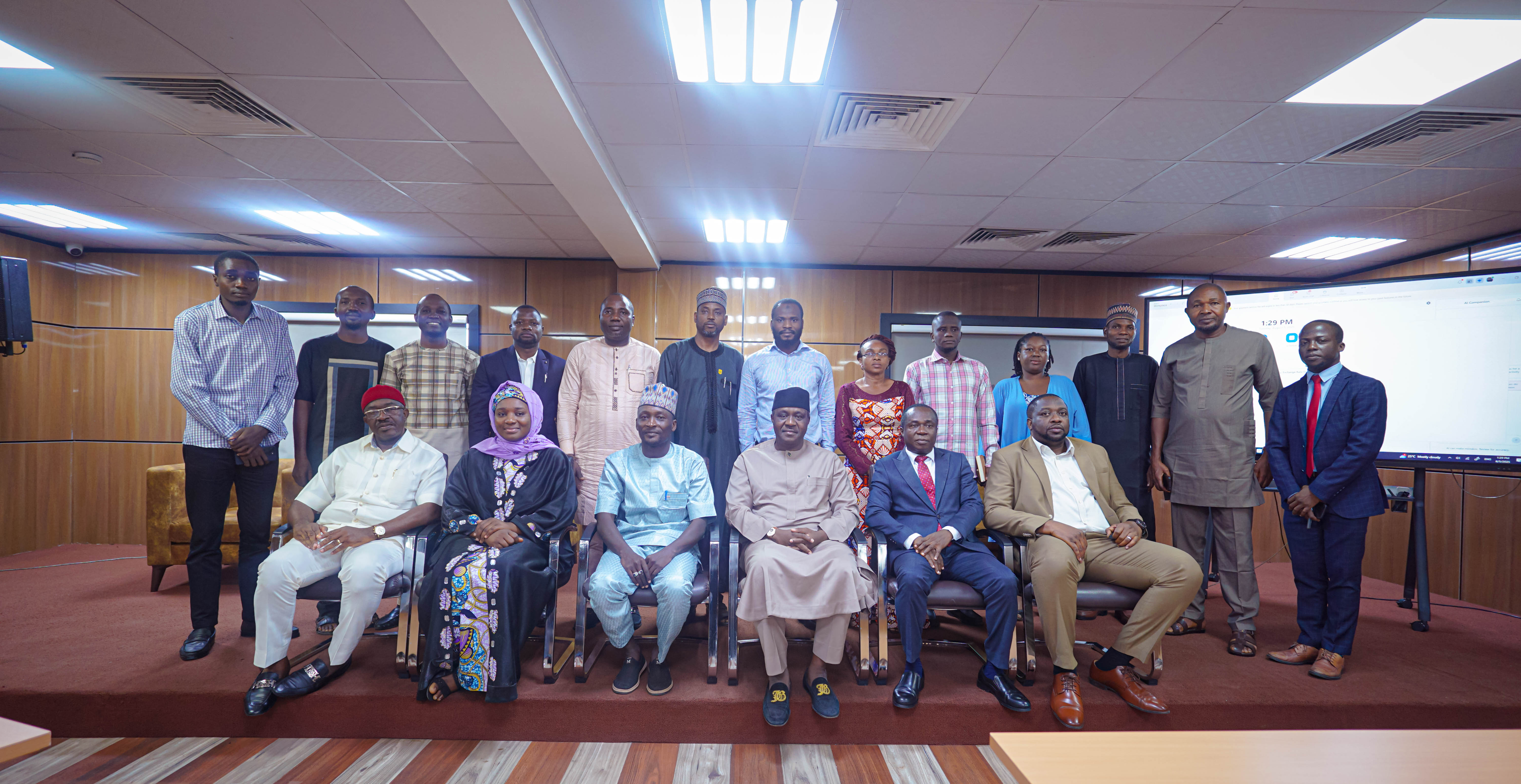
The Centre for the Study of the Economies of Africa (CSEA) hosted  Dr. Jamilu Iliyasu from the Department of Economics, Ahmadu Bello University, Zaria, for an insightful paper presentation titled “Second-Round Effects, Central Bank Credibility, Exchange Rate Devaluation, and Monetary Policy in a Small Open Economy.” The event took place at the CSEA Conference Hall in Abuja on August 5, 2025, had in attendance, researchers, policy analysts, and economists.

Dr. Jamilu’s research explored how exchange rate fluctuations, the credibility of the central bank, and monetary policy interact to influence the second-round effects of food and energy prices on core inflation in Nigeria. He identified key drivers such as persistent increases in food prices, amplified through wage demands and slow wages adjustments, particularly in rigid labour markets. His findings revealed that energy price shocks are a major catalyst for food inflation, posing significant challenges to the Central Bank’s ability to meet its inflation targets.

To address these challenges, Dr. Jamilu proposed a policy mix that includes assertive monetary interventions, measures to strengthen the naira, and concerted efforts to restore trust in the Central Bank. The session concluded with a vibrant discussion, during which participants offered insightful feedback and engaged critically with the research findings.

This presentation enriched the discourse on inflation dynamics and macroeconomic policy in Nigeria, emphasizing the critical importance of  credible and coordinated policy responses to   manage external shocks. 


Read More

CSEA Launches Report on Artificial Intelligence Usage in Nigeria

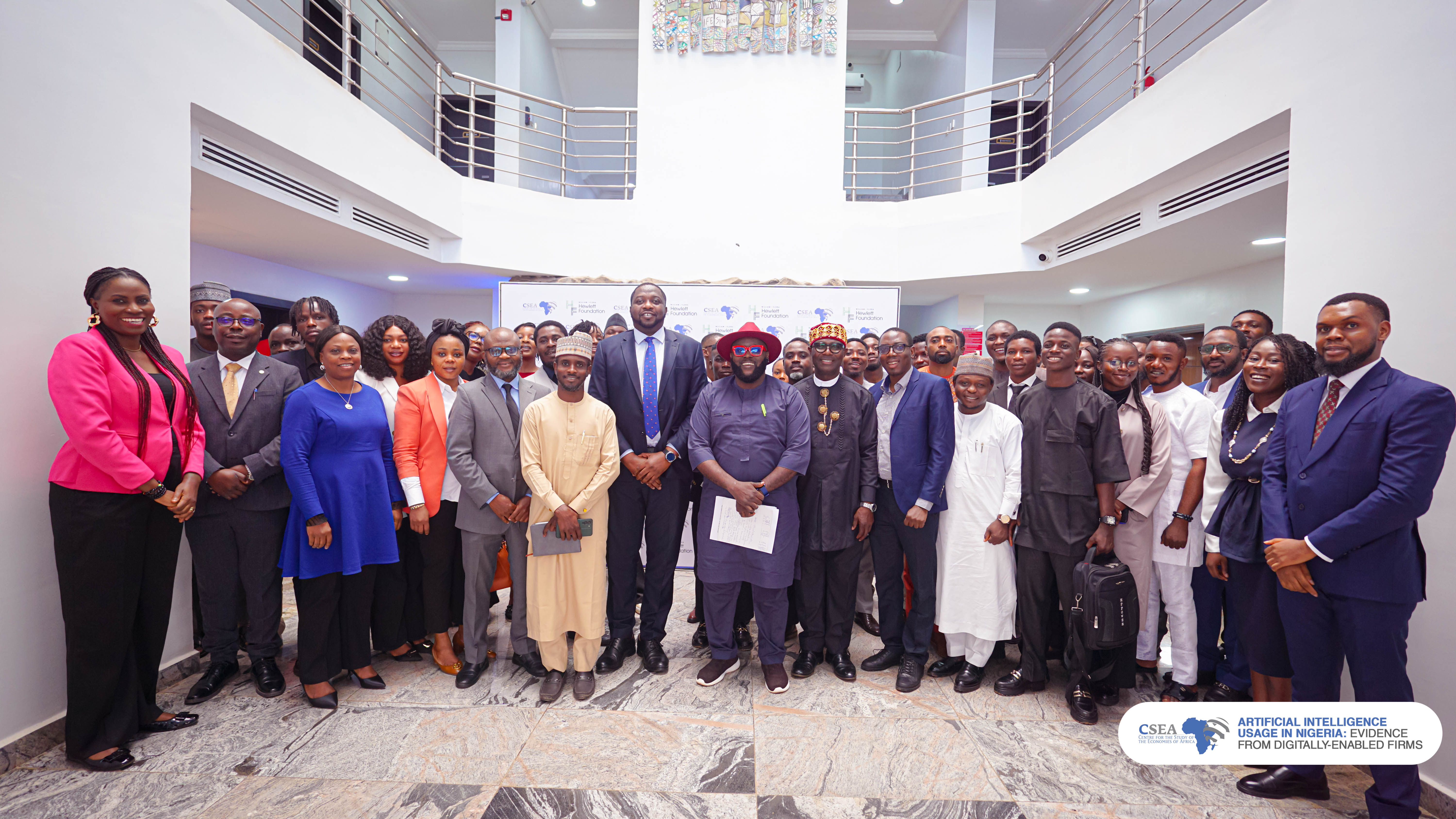
The Centre for the Study of the Economies of Africa (CSEA) hosted a high-level, multi-stakeholder event on July 23, 2025, to present its 2025 report, "Artificial Intelligence Usage in Nigeria: Evidence from Digitally-enabled Firms." The event convened key stakeholders from government, the private sector, academia, civil society, the tech ecosystem,  policymakers, AI developers, business leaders, and researchers. It provided  a platform for in-depth discussions on  emerging trends, drivers, opportunities, barriers, and policy recommendations for AI adoption in Nigerian businesses.

Anthony Okon, Research Associate at CSEA, presented findings from the  study, highlighting AI engagement among Nigerian businesses. The study examined adoption trends among digitally-enabled firms, identifying drivers, benefits, and challenges. Insights were drawn from 528 businesses across Lagos, Port Harcourt, and Abuja, spanning agriculture, industry, and services.

Dr. Adedeji Adeniran, CSEA’s Director of Research presented additional  findings from the study,  and shed light on the state of data governance, cybersecurity, and ethical standards in Nigerian businesses. His presentation was complemented by panel sessions featuring other expert  discussions on the broader challenges and risks of AI adoption, strategies for risk mitigation , and the critical role of data governance in supporting Nigeria's digital transformation in the business sector. 

The event highlighted the current state of AI adoption in Nigeria, as well as the infrastructure and legislative frameworks required to scale breakthroughs in businesses. Participants discussed key  issues including  the ethical use of AI, youth reliance on AI tools, access to quality data, the need for regulatory clarity, particularly for young users concerned about foreign-developed algorithms, online safety, data privacy, and the integration of AI into academic institutions.

A group of people standing in a room

AI-generated content may be incorrect.
A group of people sitting in a room

AI-generated content may be incorrect.
A group of people standing together

AI-generated content may be incorrect.
Read More

Advancing Tobacco Control: CSEA Participates in NTCA Capacity-Building Workshop

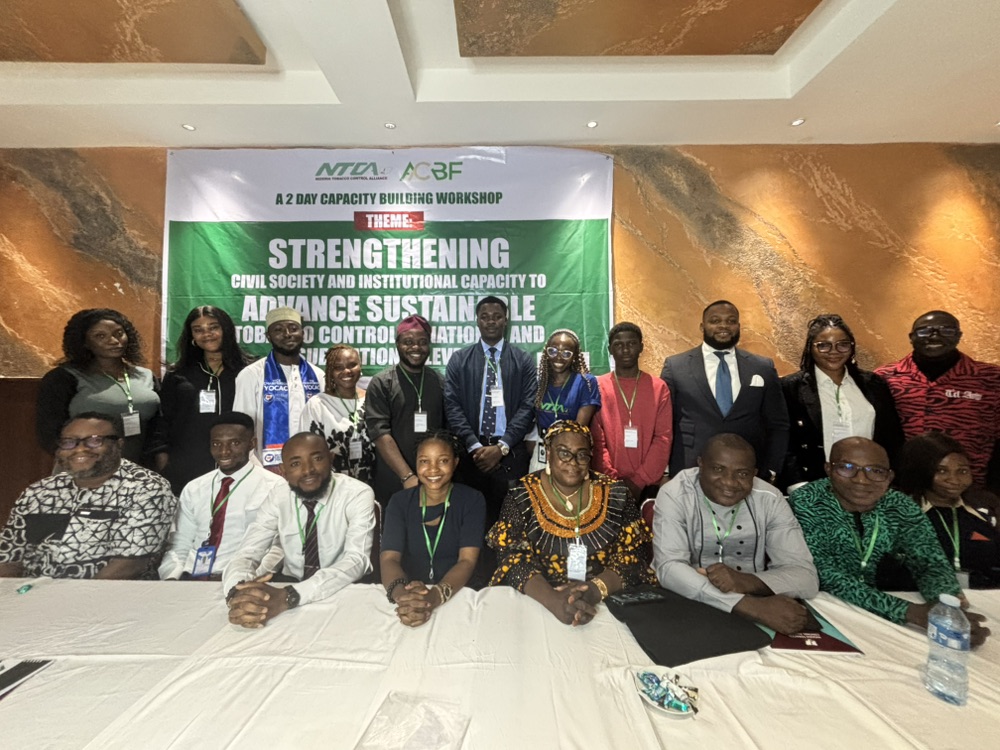
The Nigerian Tobacco Control Alliance (NTCA) convened a capacity-building workshop at the Exclusive Serene Hotel in Abuja, July 22–23, 2025 themed “Strengthening Civil Society and Institutional Capacity to Advance Sustainable Tobacco Control Policies at National and Sub-National Levels.” The event brought together key stakeholders to deepen collaboration and enhance efforts in curbing tobacco use across Nigeria. 

Representing the Centre for the Study of the Economies of Africa (CSEA), Henry Urama, joined other participants in discussions that shed light on the threats tobacco poses to human development, the challenges within Nigeria’s tobacco control landscape, industry interference, and ongoing civil society actions. The sessions helped sharpen stakeholders’ understanding of the complex dynamics around tobacco use and control in the country.

Key recommendations from the workshop included strengthening state-level monitoring of tobacco industry tactics, improving collaboration with the Ministry of Health and relevant enforcement agencies, and increasing funding for compliance checks and public awareness. Participants also emphasized the need for more data-driven advocacy, calling for the creation of a centralized database on tobacco related health issues and a framework to track progress using indicators like smoke-free environments, advertising restrictions, and public awareness campaigns. 

The workshop concluded with a renewed commitment to building sustained, evidence-based advocacy aimed at advancing stronger tobacco control policies across Nigeria

A group of people posing for a photo

AI-generated content may be incorrect.
Read More