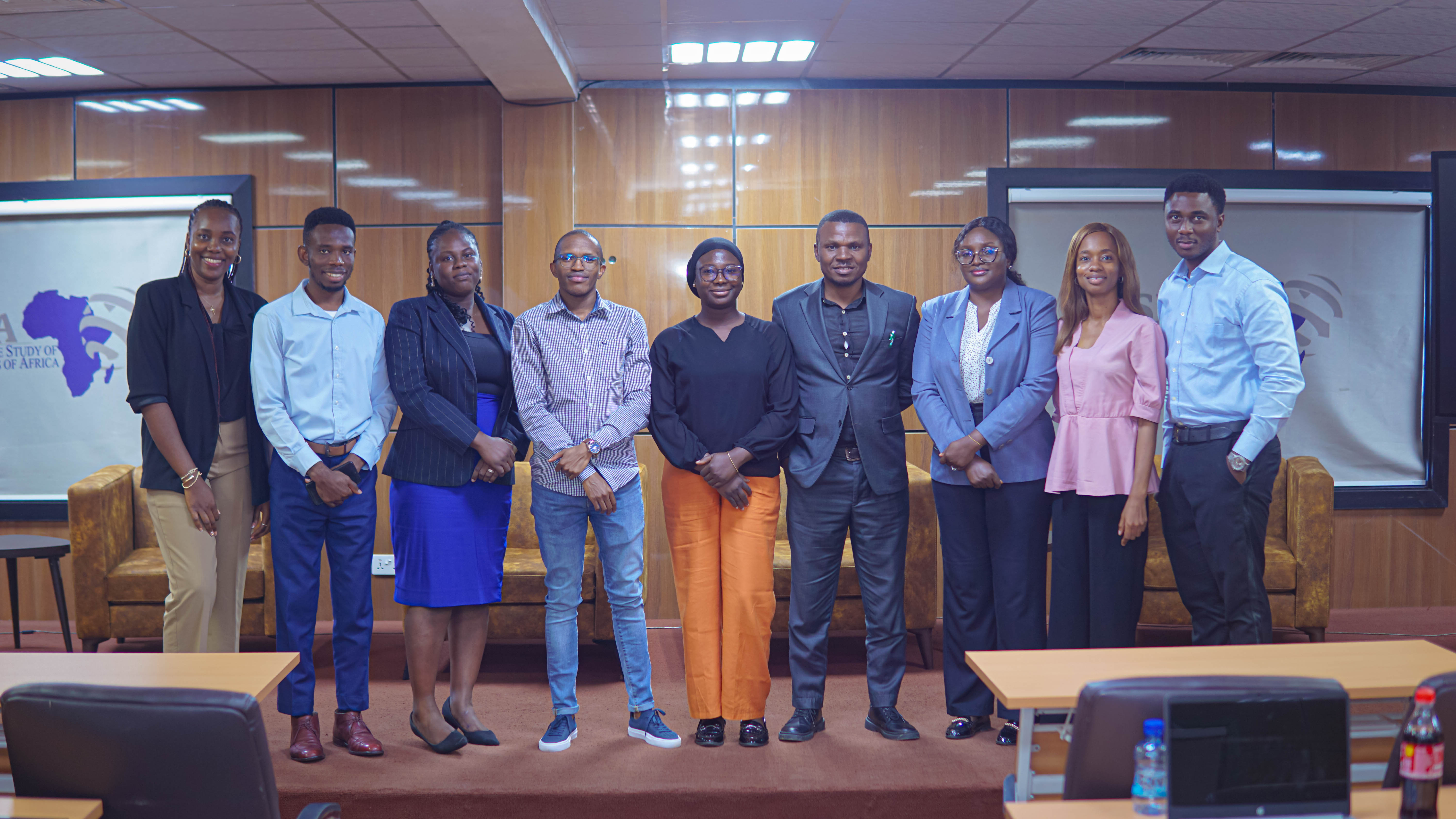
The Centre for the Study of the Economies of Africa (CSEA) hosted a two-day intensive training on Survey Data Analysis using Stata, from September 15–16, 2025, in Abuja. The sessions were facilitated by Retselisitsoe Pokothoane, a Research Analyst from Development Gateway, CSEA’s partner on the Tobacco Control Data Initiative (TCDI 2.0).
The training brought together CSEA’s research analysts, project managers, programme manager, and communications staff working on the TCDI 2.0 programme. Over the course of the sessions, participants received practical, hands-on instruction in managing, cleaning, and analyzing complex survey datasets. The curriculum covered key techniques such as data cleaning, descriptive statistics, and advanced econometric methods, reinforced through real-world examples that kept the learning both engaging and applicable.
By the end of the workshop, the TCDI 2.0 team had strengthened their technical capacity to produce high-quality evidence and analysis. This investment in skills enhances CSEA’s ability to deliver impactful research and contributes to informing effective tobacco control policies across Africa.
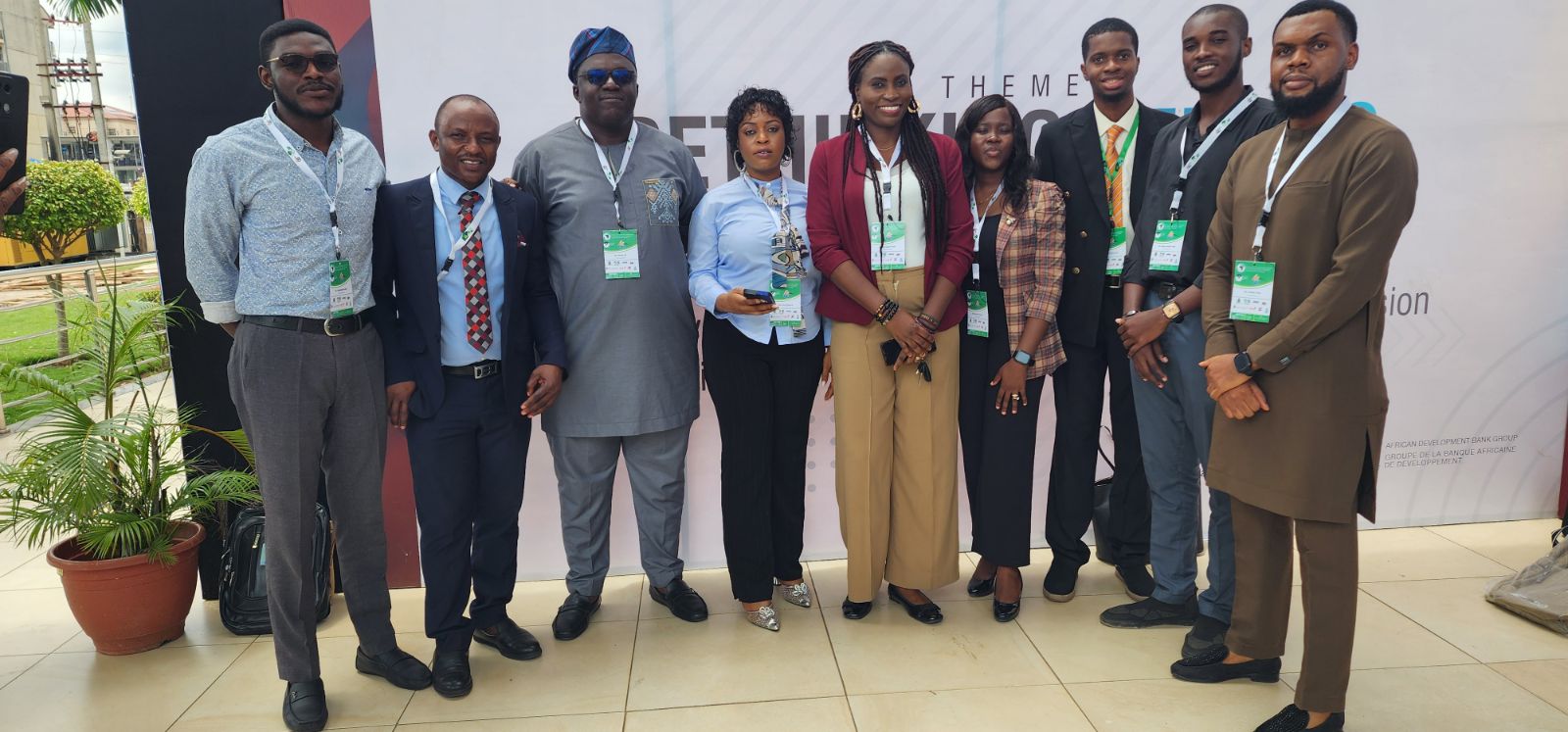
The 66th Nigerian Economic Society (NES) Conference, held from September 8–11, 2025, brought together policymakers, researchers, and academics to deliberate on the pressing economic and social challenges confronting Nigeria. CSEA made a strong contribution with multiple paper presentations across the four days, covering themes such as digital trade, foreign direct investment, education in crisis contexts, vulnerable employment, curriculum reform, institutional governance, and climate shocks. Notably, CSEA’s Executive Director, Dr. Chukwuka Onyekwena, received the President’s Special Award for Public Economic Service during the opening gala, highlighting the Centre’s growing influence in shaping policy discourse.
The conference also featured high-level interventions from Vice President Kashim Shettima, government ministers, central bank officials, and representatives of international institutions, who emphasised the need for bold reforms, regional integration, and structural transformation to drive sustainable development.
Through its evidence-based research, CSEA provided practical recommendations on improving education systems and labor market outcomes, advancing regional trade and enhancing climate resilience. Collectively, the conference highlighted the central role of research driven policy in addressing Nigeria’s economic challenges and reinforced CSEA’s position as a key knowledge partner in Africa’s development landscape.
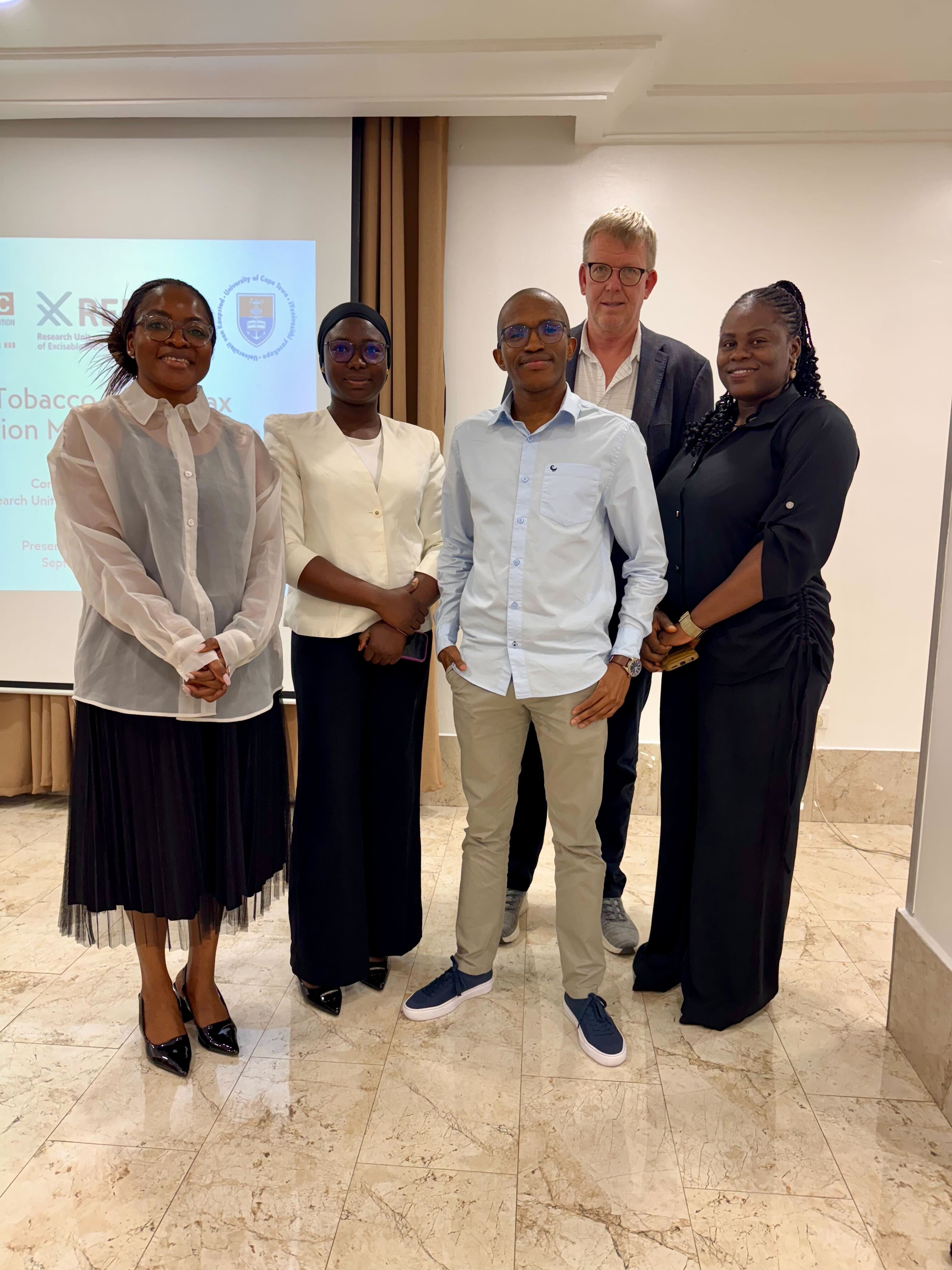
CSEA researchers Priscilla Airohi and Halimat Abdulrazaq participated in the validation workshop for the Tobacco Excise Tax Simulation (TETSiM) Report for Nigeria on September 11, 2025. The event was organised by the Civil Society Legislative Advocacy Centre (CISLAC) in collaboration with Tax Justice Network Africa (TJNA) and the University of Cape Town (UCT).
The workshop convened stakeholders from government, academia, and civil society organisations to review and validate the findings of the TETSiM report which was developed by UCT's Research Unit on the Economics of Excisable Products (REEP).The report analyses the effects of various excise tax scenarios on tobacco usage and government revenue.
Following extensive deliberation, the report was validated and endorsed by participants. The TETSiM report now stands as a critical tool for policymakers looking to strengthen Nigeria's tobacco tax regime, align fiscal measures with regional best practices, advance public health goals while boosting revenue generation.
During this collaborative endeavour, stakeholders underscored the importance of evidence-based research in developing effective tobacco tax policies that protect health and contribute to sustainable development.
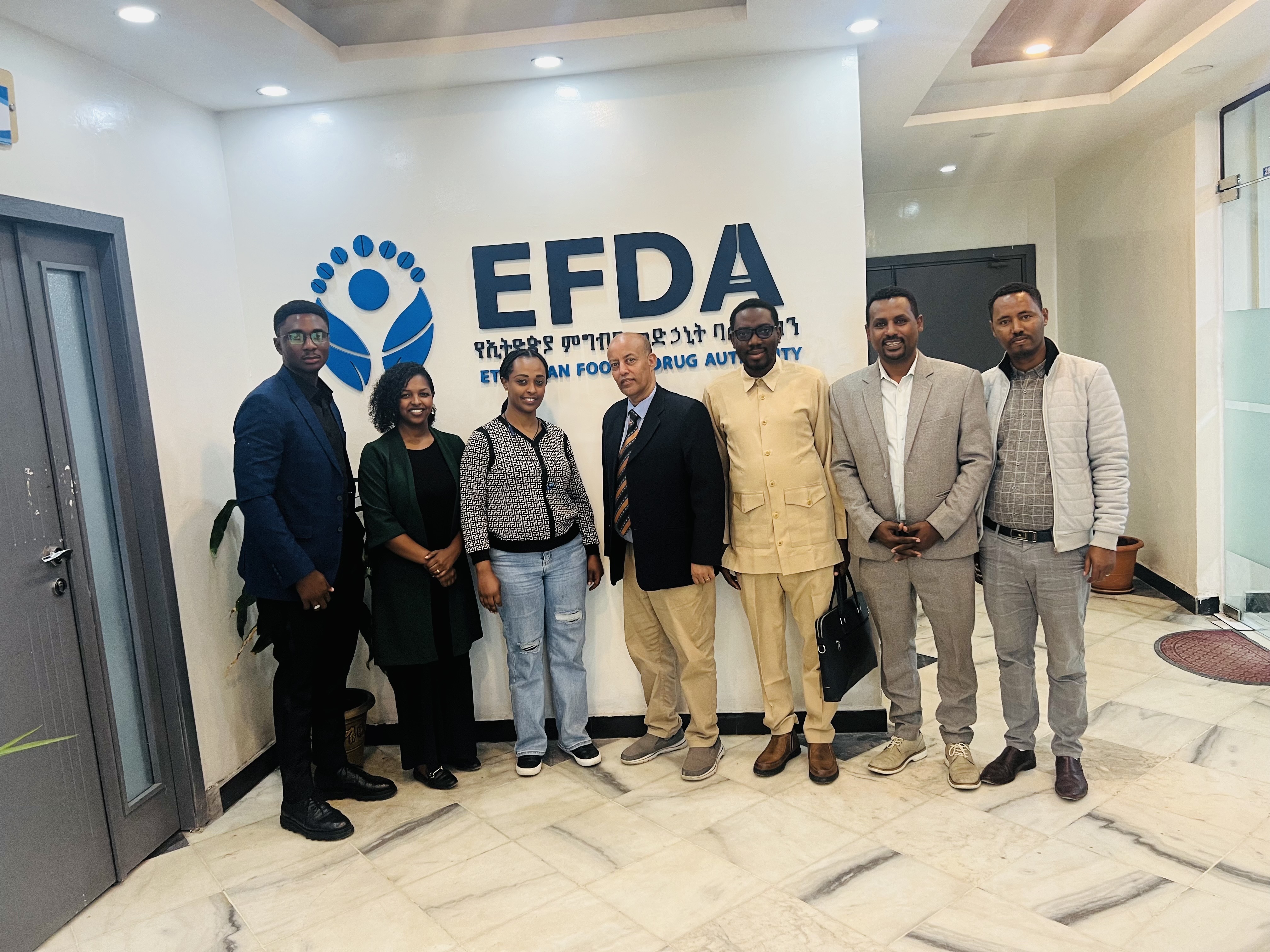
The Centre for the Study of the Economies of Africa (CSEA) represented by Dr. Adedeji Adeniran, Director of Research, and Clinton Essang, Researcher, participated in a series of stakeholder engagement meetings in Addis Ababa, Ethiopia from August 26 to 28 2025. The meetings were organised to strengthen collaboration between CSEA and its local partner, the Health Development and Anti-Malaria Association (HDAMA), and to engage with key stakeholders and existing partners on opportunities and challenges in advancing tobacco control efforts in Ethiopia.
Discussions centred on sustaining local support for CSEA and HDAMA following the Development Gateway's upcoming handover of the Tobacco Control Data Initiative (TCDI) project. Stakeholders also welcomed the introduction of the translated Amharic dashboard pages and emphasised the urgent need for localized and reliable data on the health and economic impact of tobacco use, as well as strategies to address illicit trade. Tobacco taxation emerged as a major theme, identified as a critical gap in Ethiopia’s implementation of its commitments under the WHO Framework Convention on Tobacco Control (FCTC). Stakeholders note that without comprehensive tax reforms, progress in curbing tobacco use could be undermined.
Stakeholders also highlighted institutional gaps, including the Ethiopian Food and Drug Authority’s (EFDA) limited prioritisation of tobacco control, inadequate resources, and fragmented coordination among partners. While civil society organisations were acknowledged as vital for driving advocacy, cessation support, and public awareness, their limited reach underscored the need for stronger government backing.
The meetings concluded with broad consensus on adopting a sustainable, multi-stakeholder ownership model for the TCDI dashboard, anchored by collaboration among EFDA, the Ministry of Finance, civil society organizations, and development partners.
Overall, the stakeholder engagement meetings demonstrated a shared determination to advance tobacco control through stronger partnerships, locally driven solutions, and evidence-based policymaking.
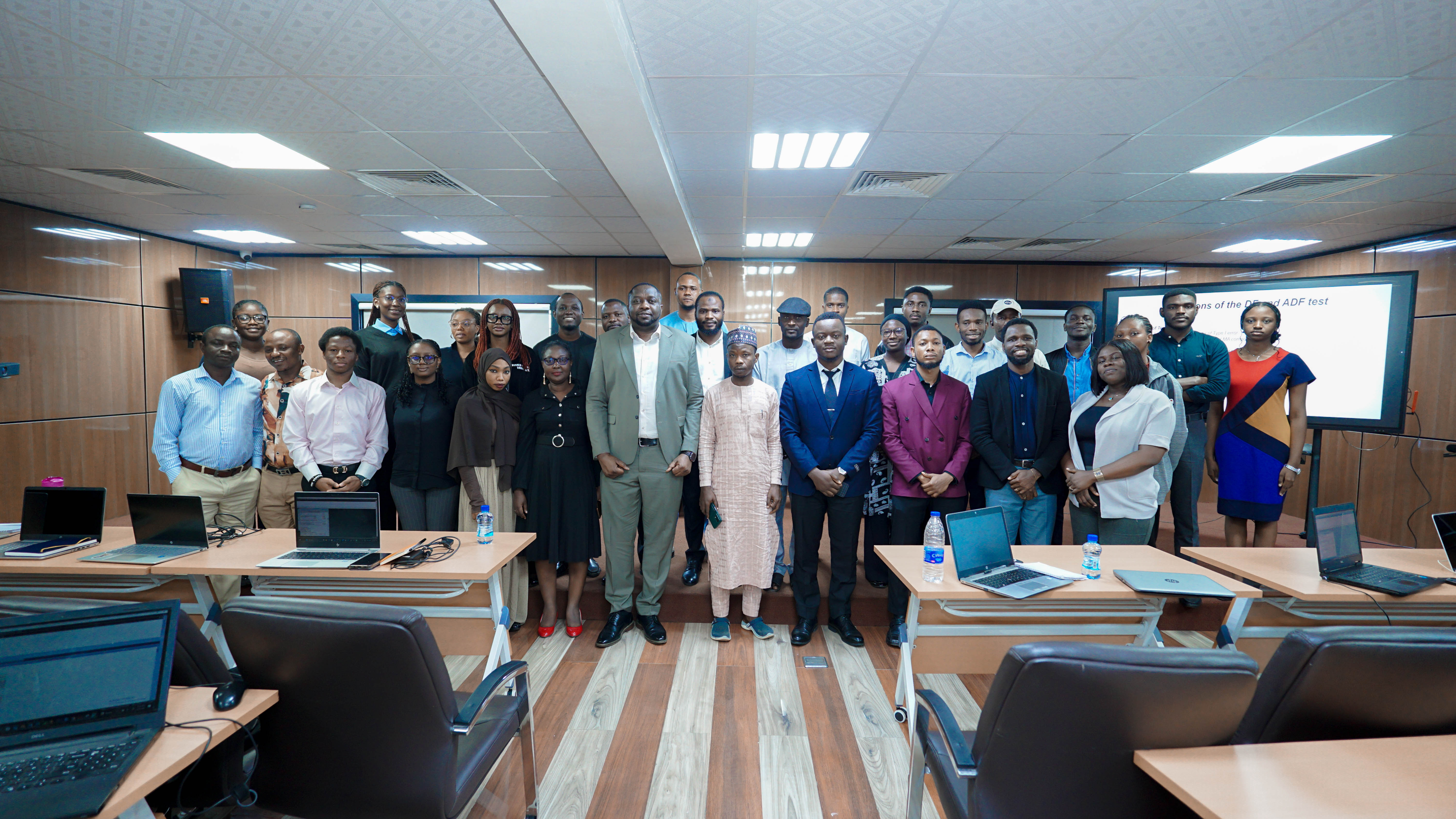
The Centre for the Study of the Economies of Africa (CSEA) organised a two-day training on Time Series and Panel Data Analysis using EViews and Stata, held from August 20-21, 2025. The training was designed to strengthen the ability of CSEA researchers to apply advanced econometric methods in analysing complex economic data, identifying trends, and conducting rigorous, policy-relevant research.
The sessions combined conceptual grounding with practical application. Participants worked directly with datasets, applying tools and techniques that allowed them to test models, interpret results, and translate findings into policy-relevant knowledge. This hands-on approach helped bridge the gap between econometric theory and real-world policy research.
The workshop was led by Dr. Adamu Ahmed Wudil, Research Fellow, and Dr. Jamilu Iliyasu, Post-Doctoral Fellow, whose facilitation ensured the sessions were engaging and impactful. Also in attendance was Dr. Tope Fasua, Special Adviser to the President of Nigeria on Economic Affairs, whose contributions underscored the importance of strengthening research capacity as a foundation for sound economic policymaking in Nigeria.
CSEA's investment in continual skill development not only strengthens its research staff, but also reinforces its position as a leading information hub dedicated to crafting effective, evidence-driven policies for sustainable development across Africa.


 English
 Arab
Arab
 Deutsch
 Português
 China
China