Highlight

Nigeria’s Electricity Challenges and Policy Bottlenecks

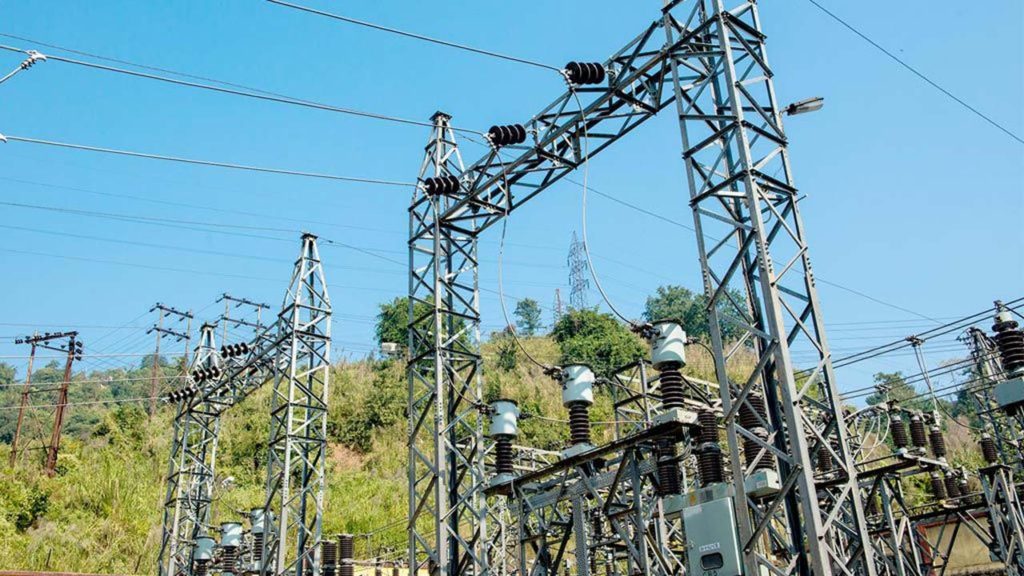
Nigeria is Africa’s largest economy and has one of the widest energy gaps in the world. To provide the necessary economic growth for its growing population, Nigeria urgently needs to improve its power sector. The country’s current installed capacity is close to 13,000 megawatts, but in practice, only about 3,800 megawatts gets evacuated for consumption due to the various breakdowns across the value chain. The government’s aim to boost electricity access from 45% today to 90% by 2030 require extensive plans for rural and urban electrification and will drive even more demand. The government privatized part of the power sector in 2013, hoping to promote efficiency, attract private investment, and increase generation, but this has yet to deliver results due to misaligned incentives. Post-privatization, many of the challenges witnessed have been centred on unreliable gas supply, electricity tariffs below cost recovery, vandalism, insufficient metering, and liquidity shortfalls.

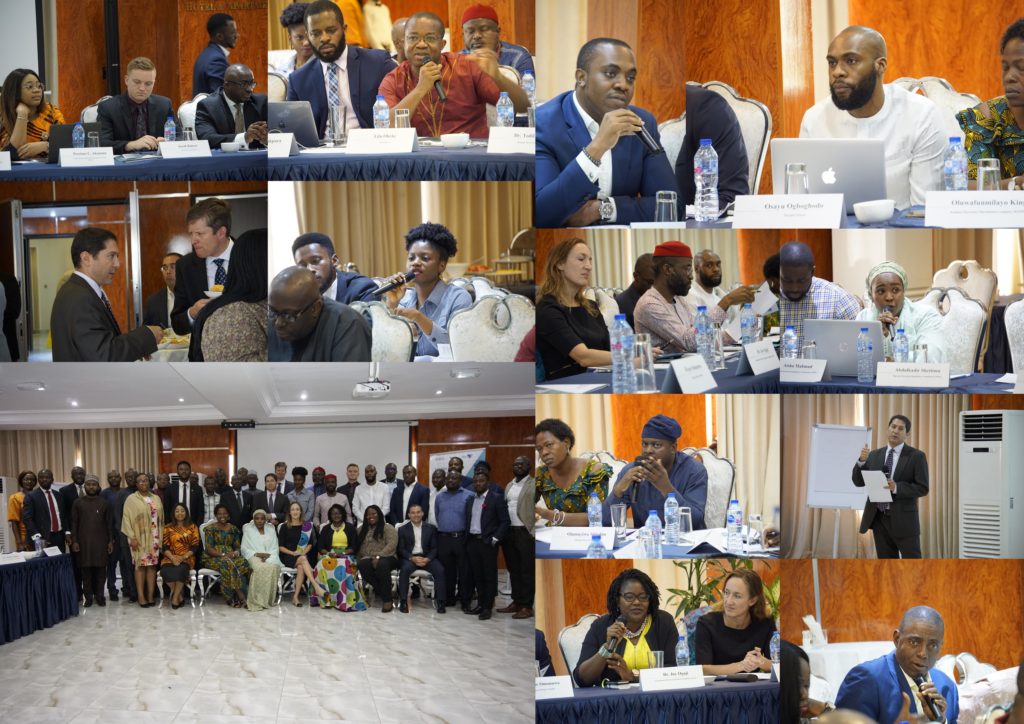
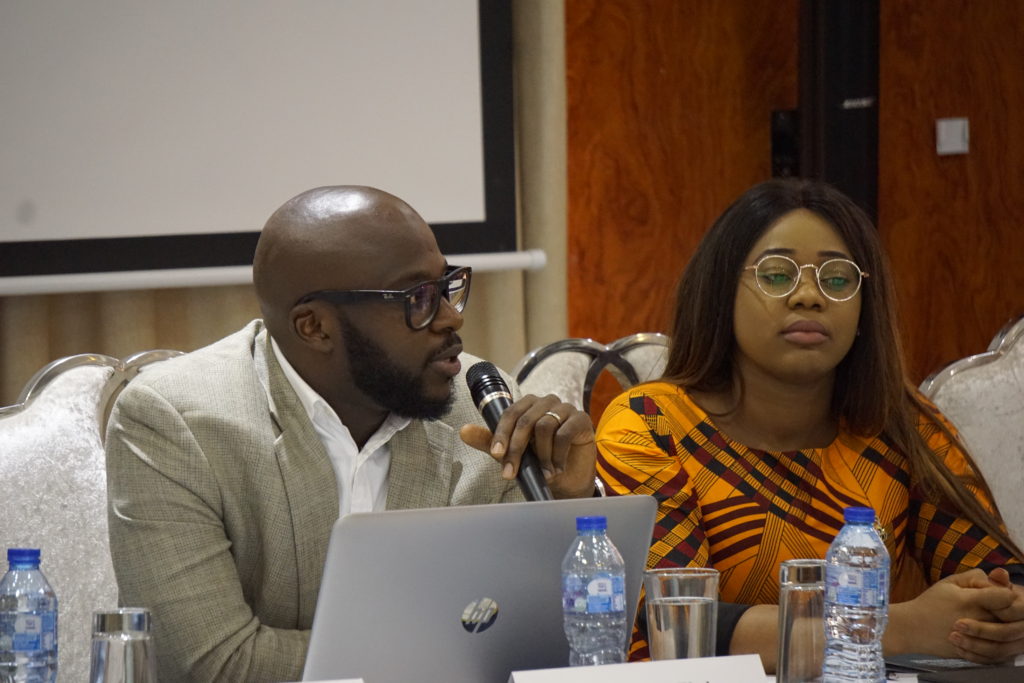
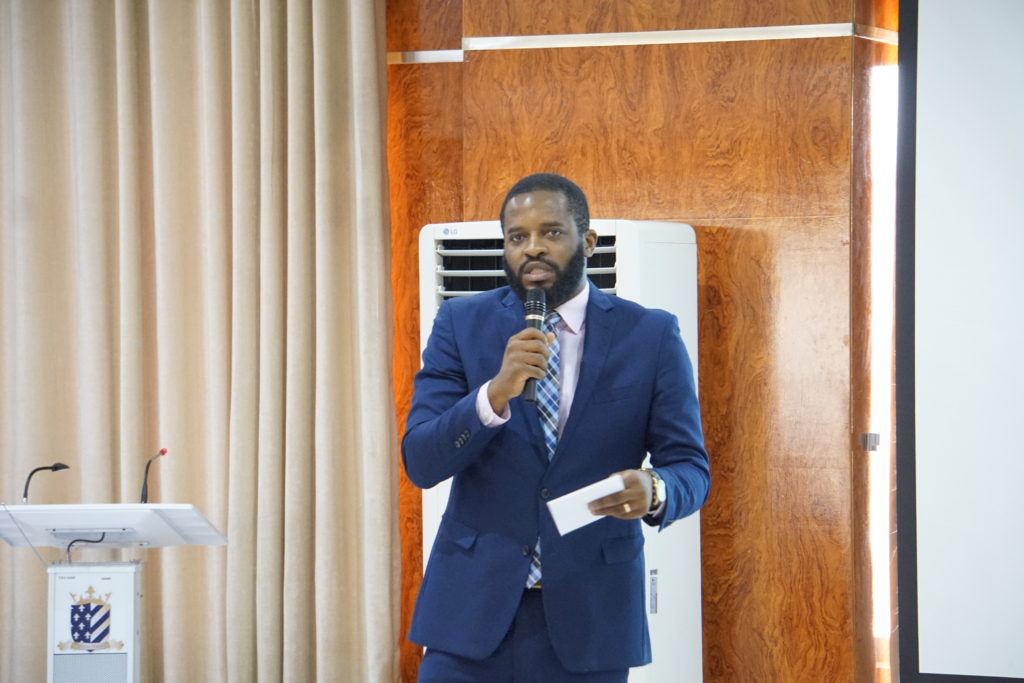
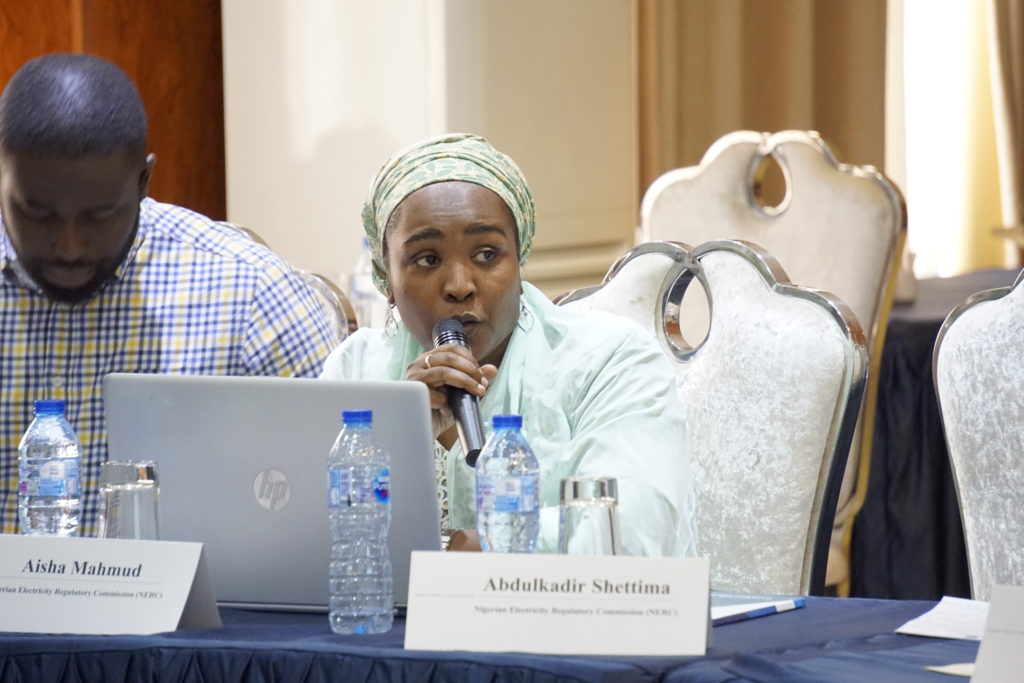
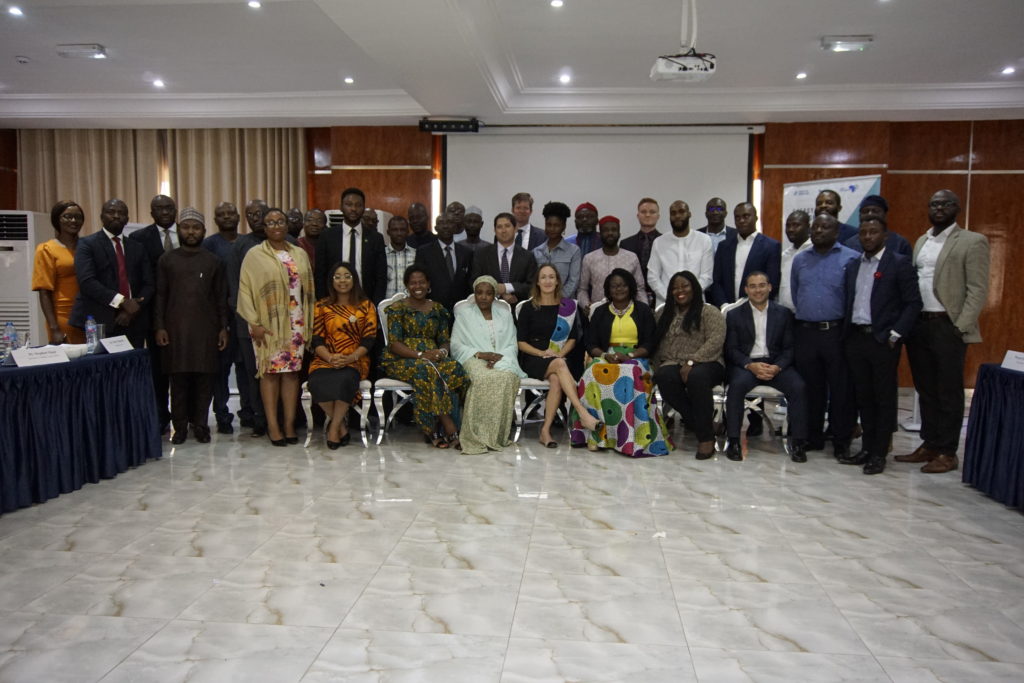
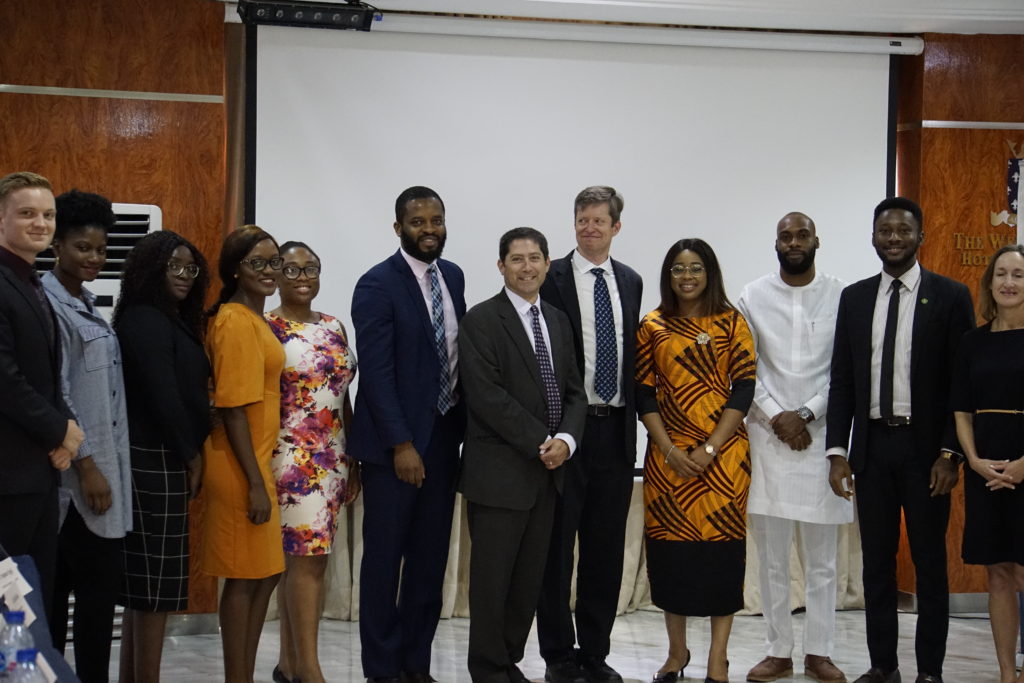
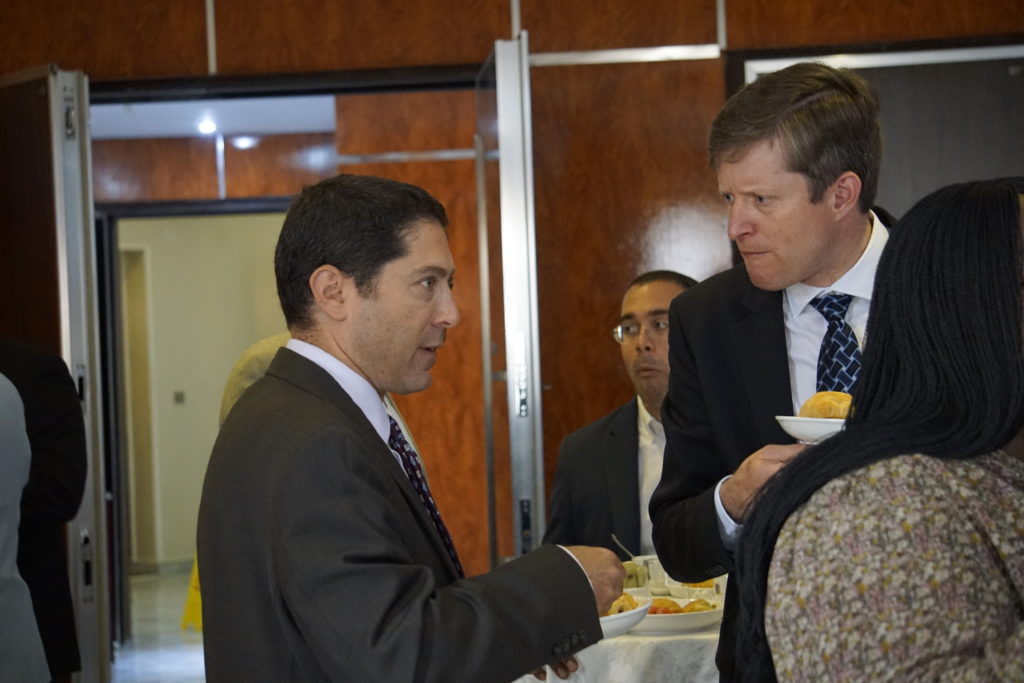
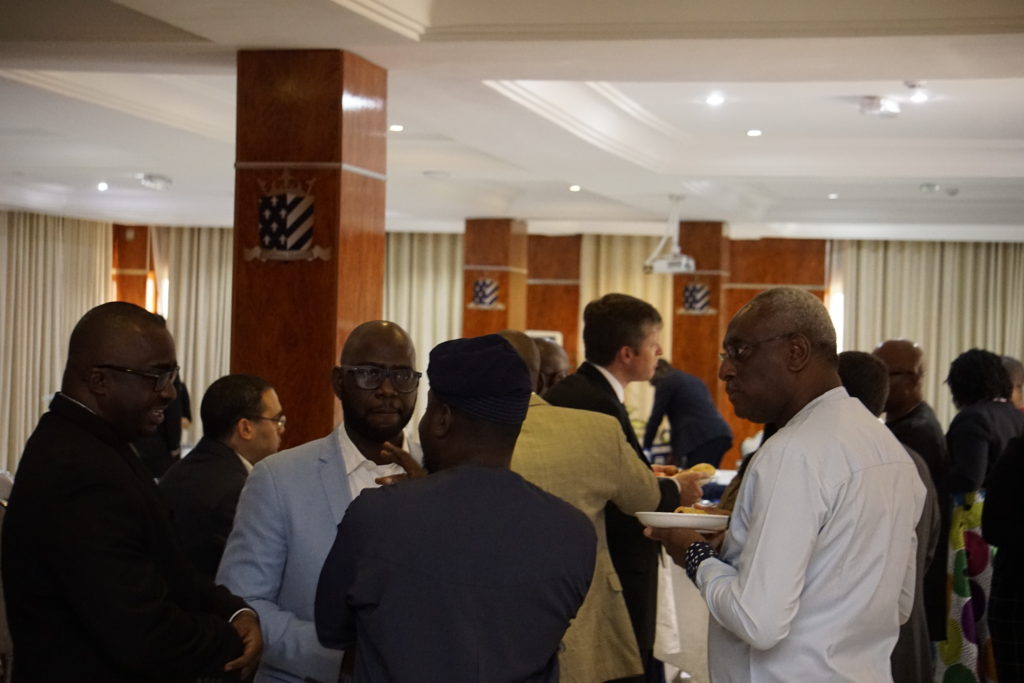
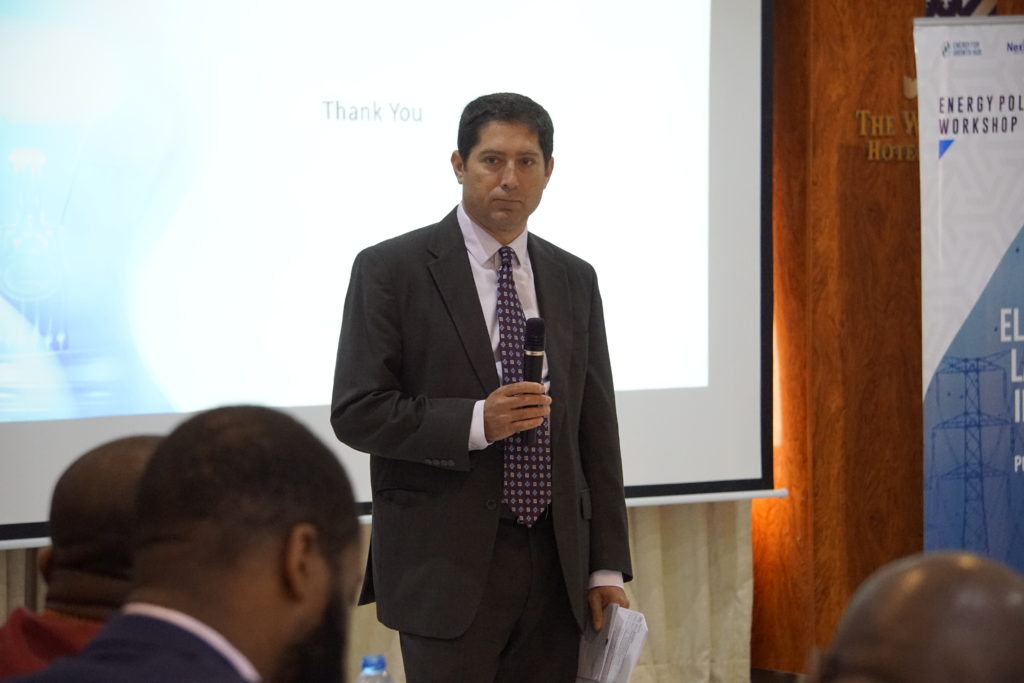
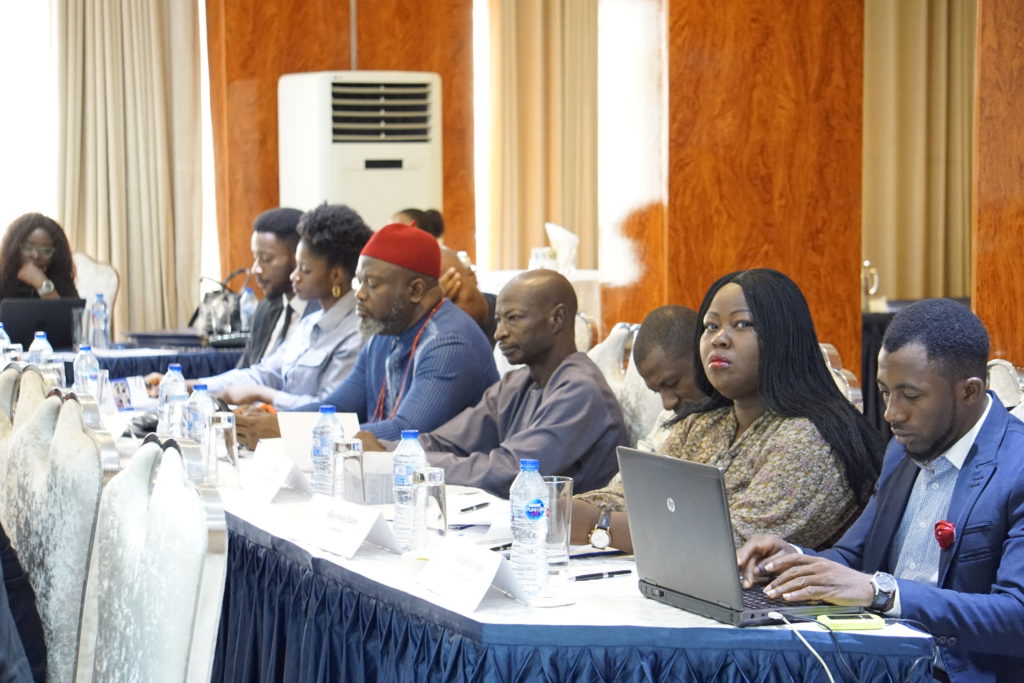
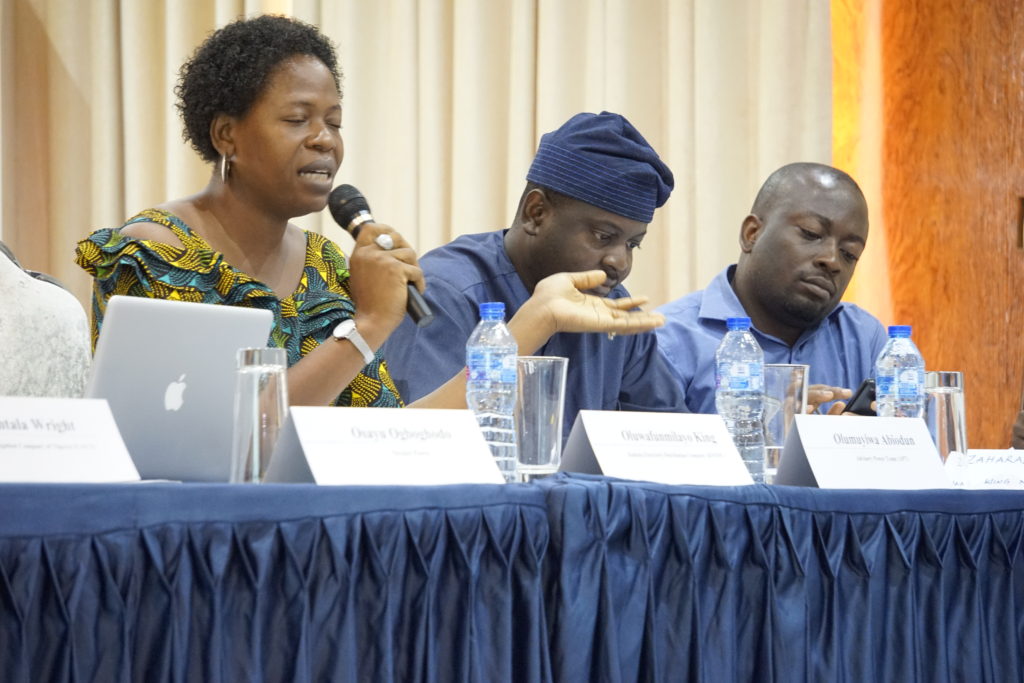
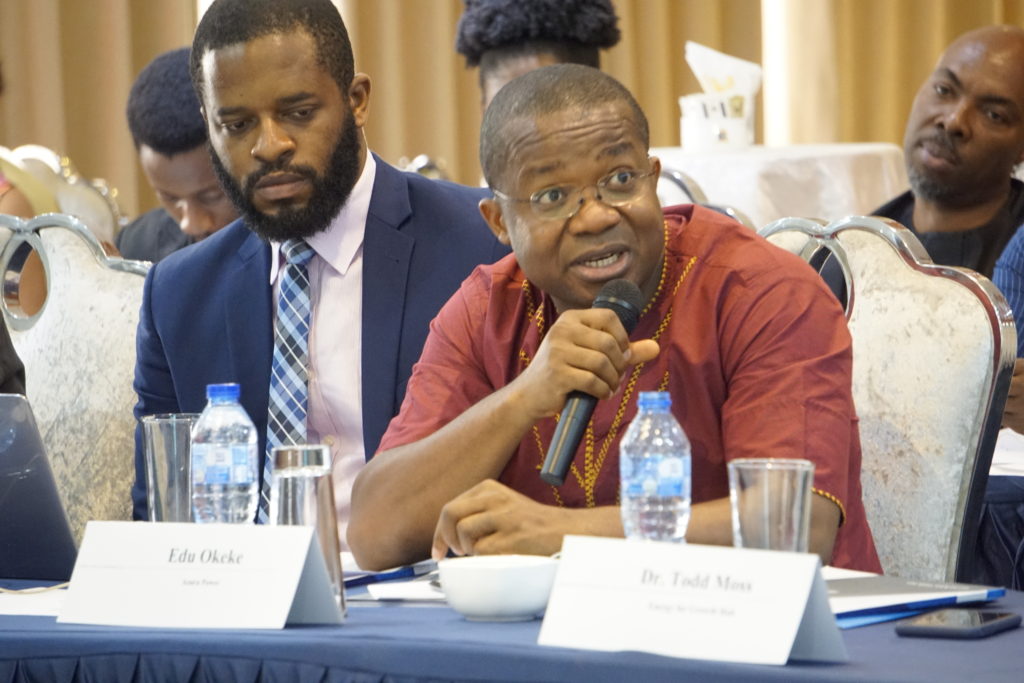
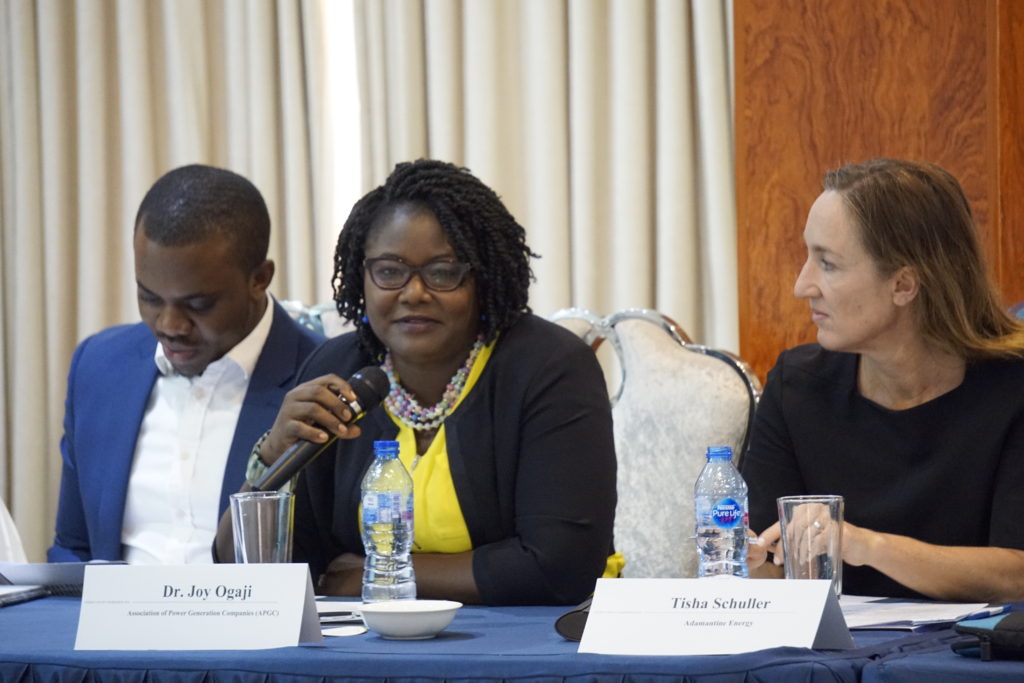
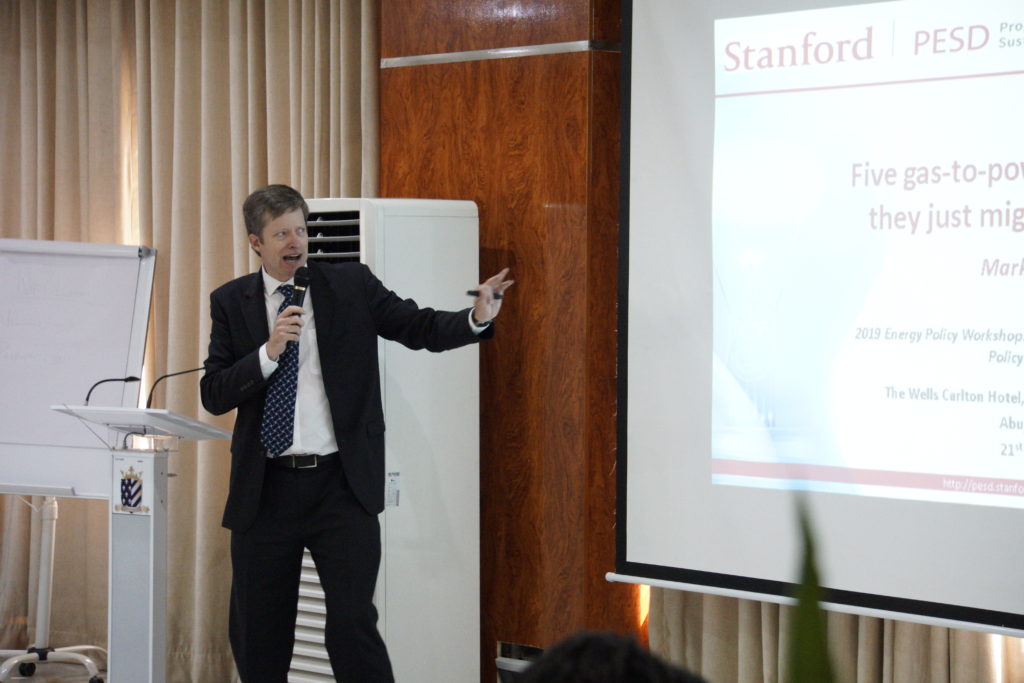
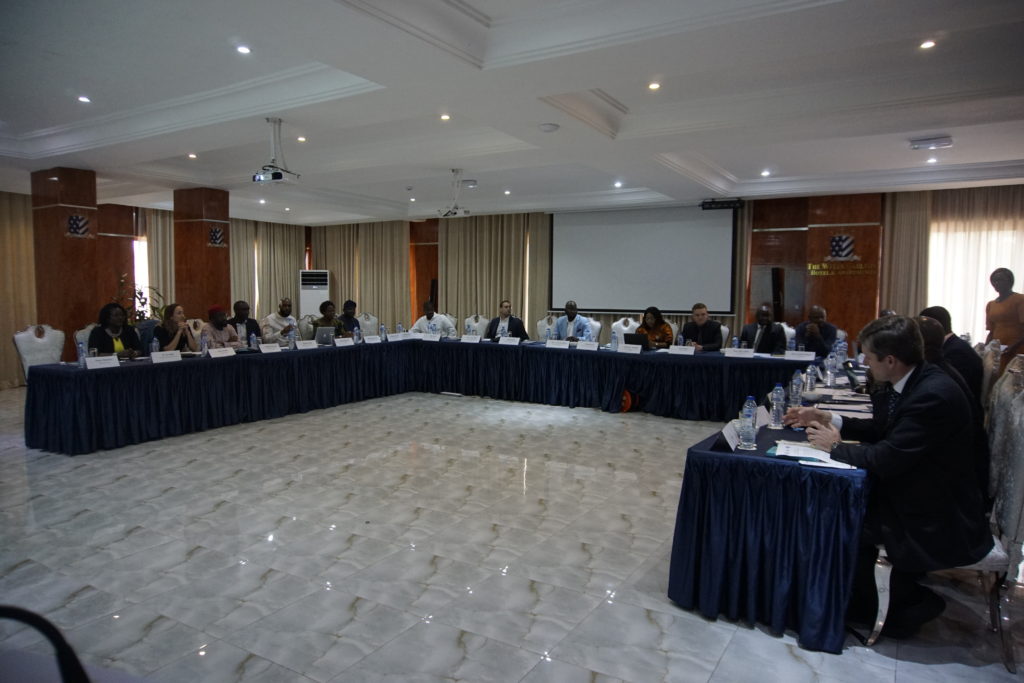
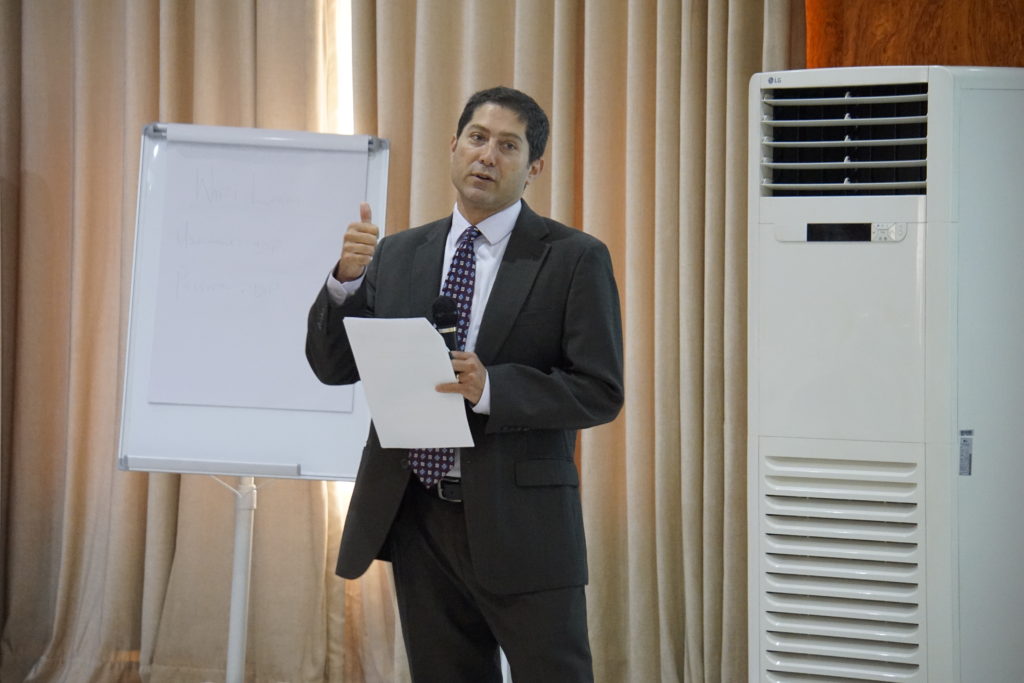
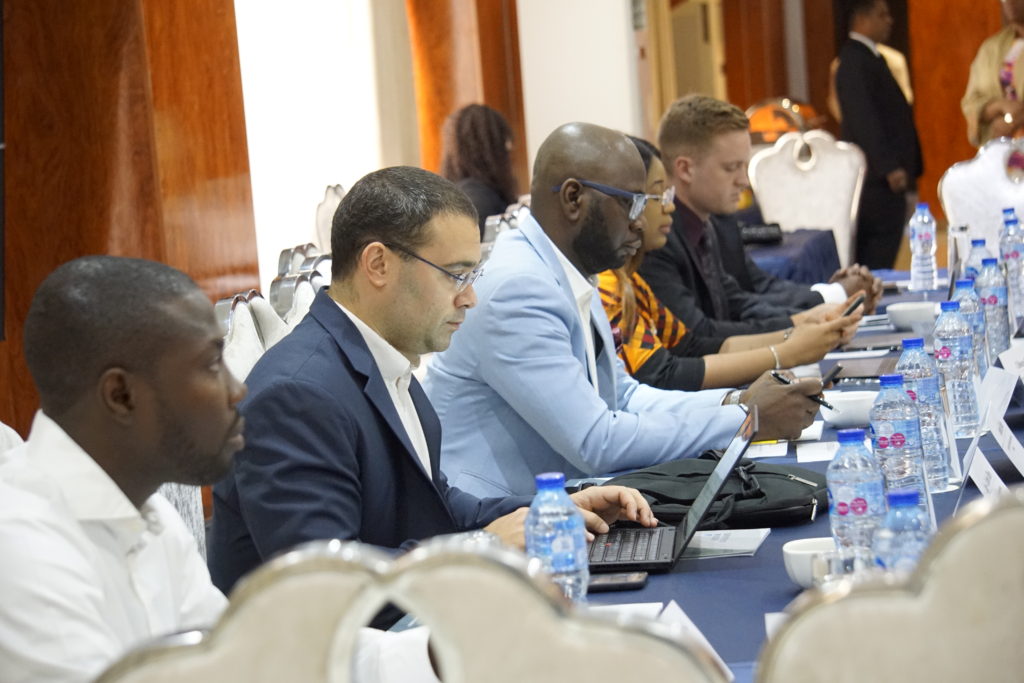
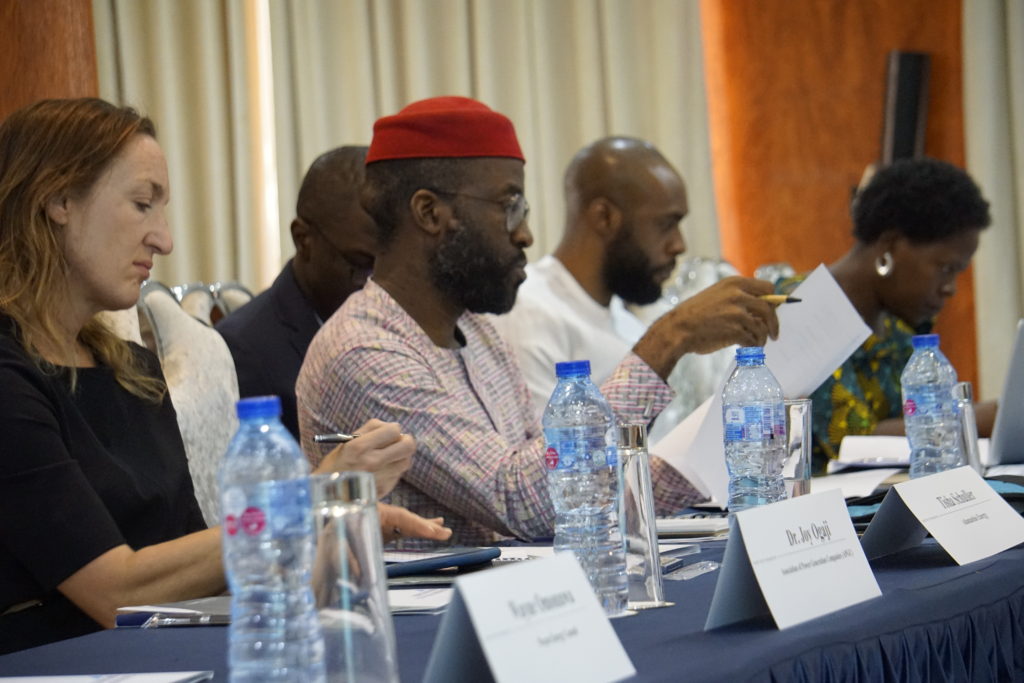
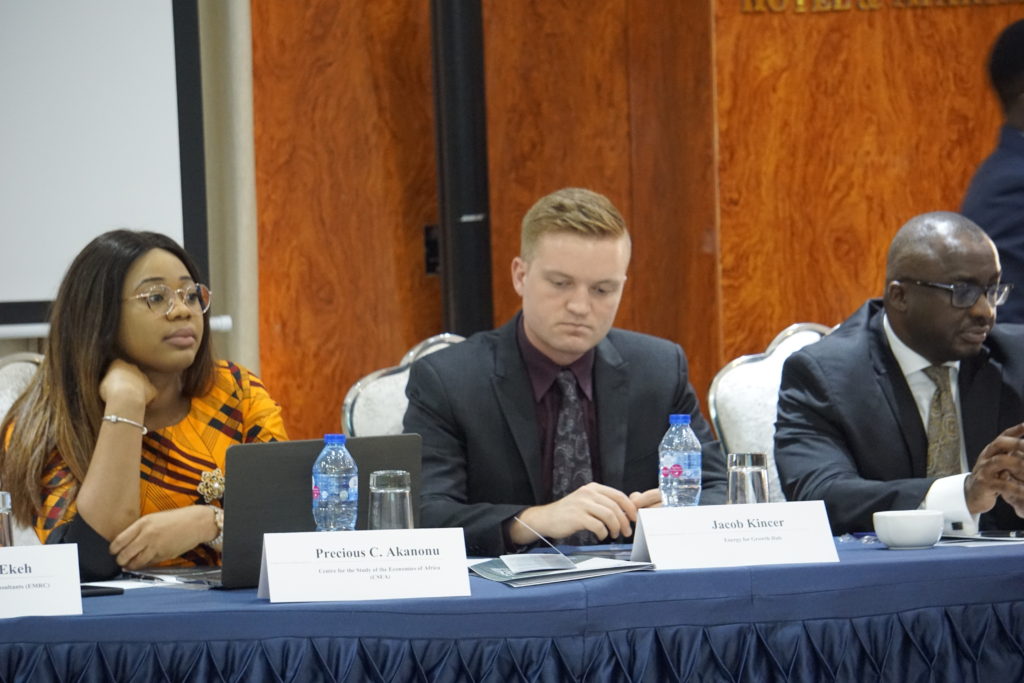
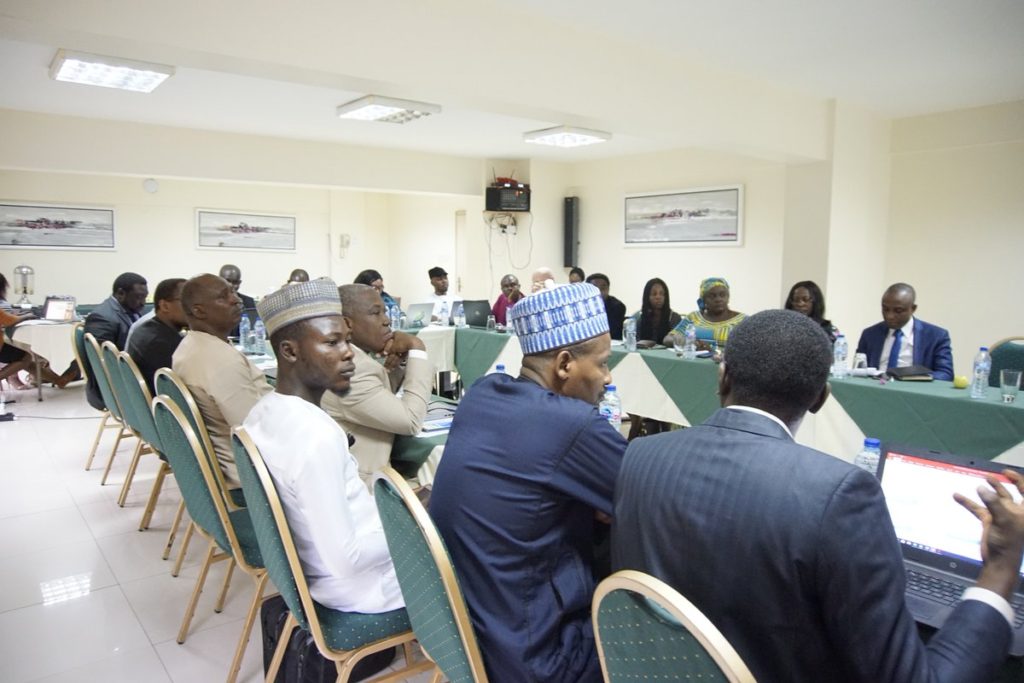
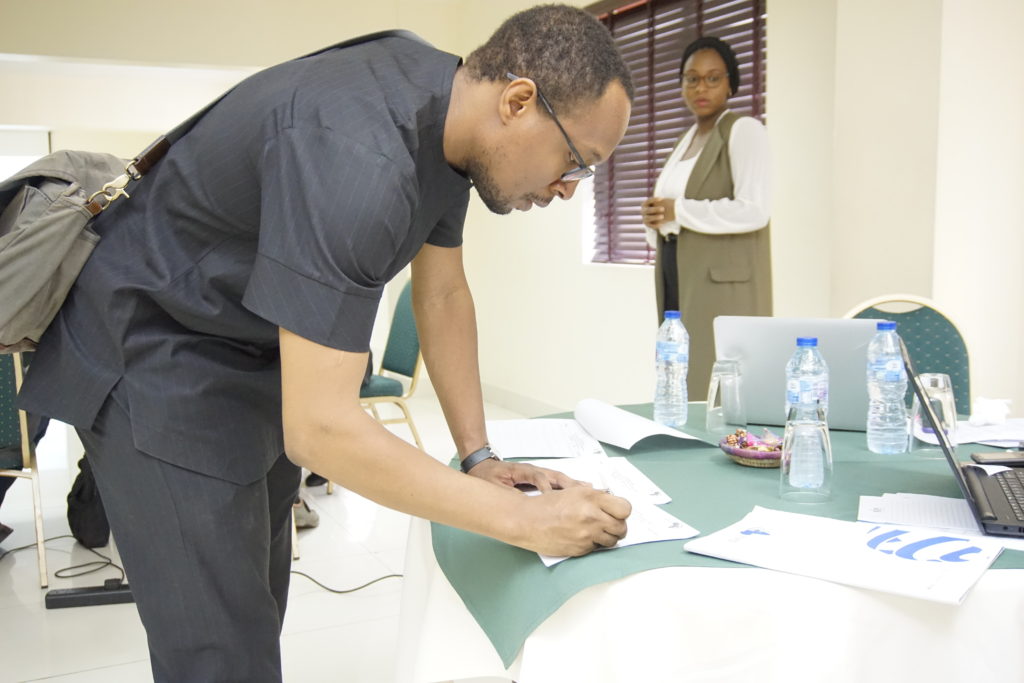
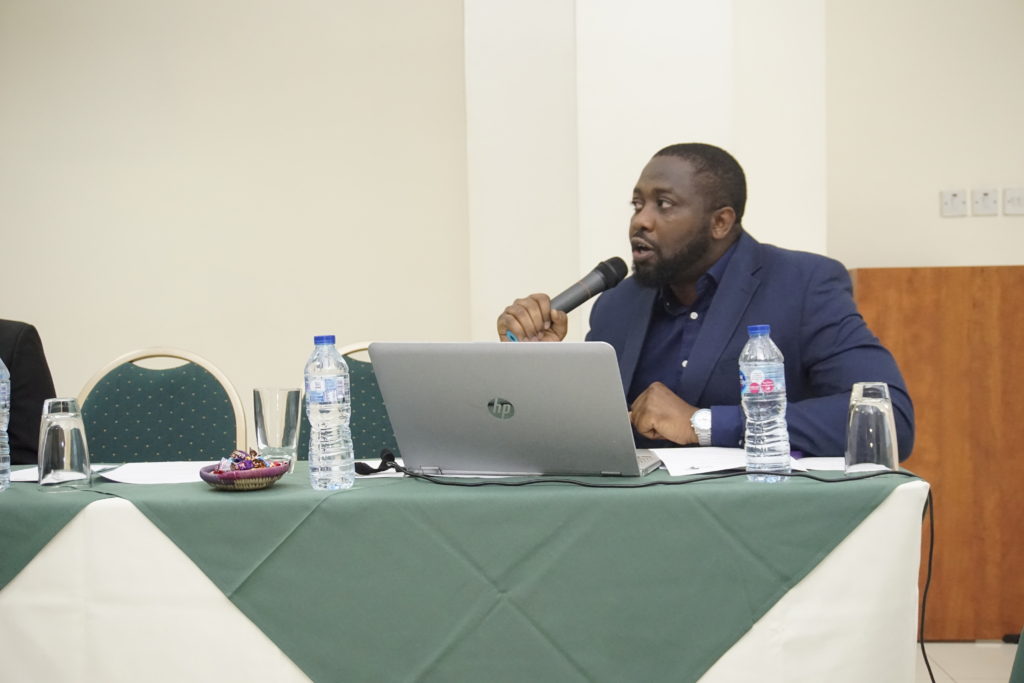
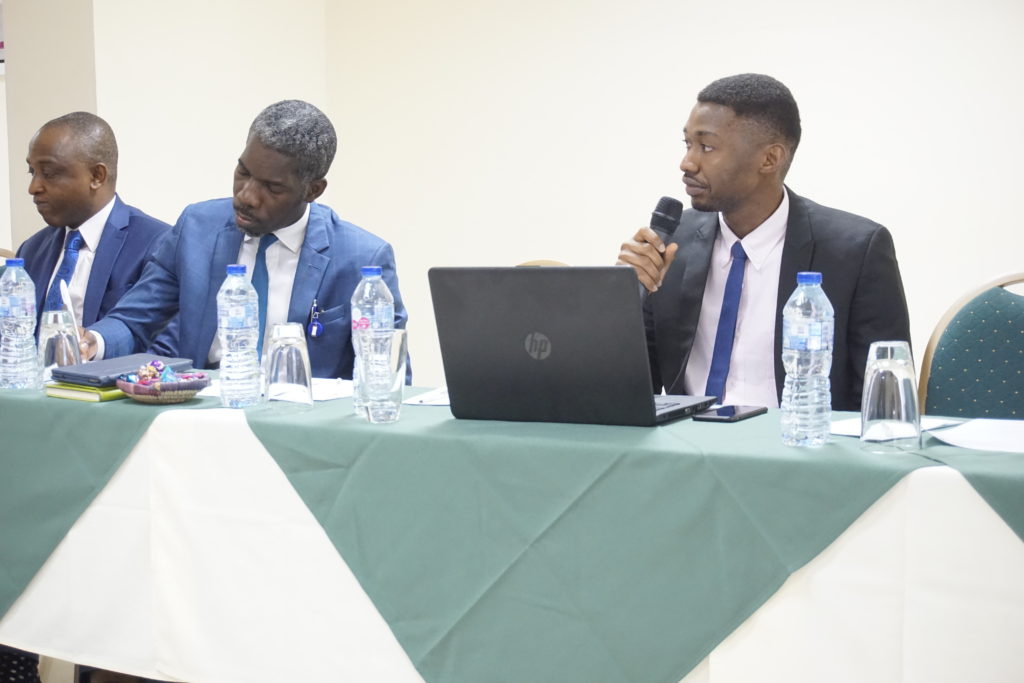
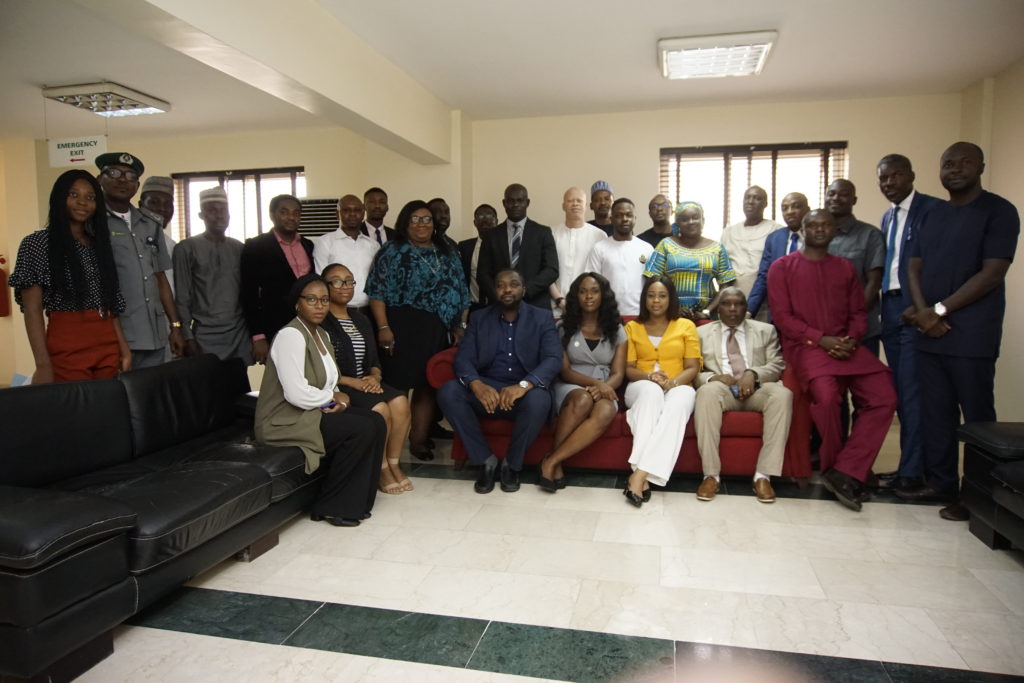
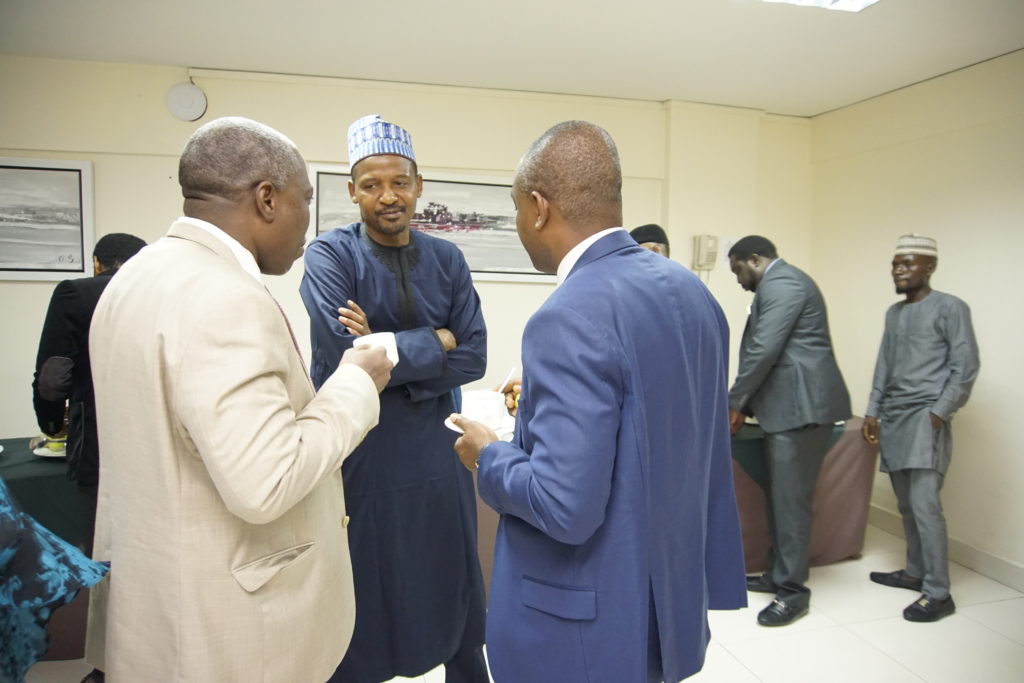
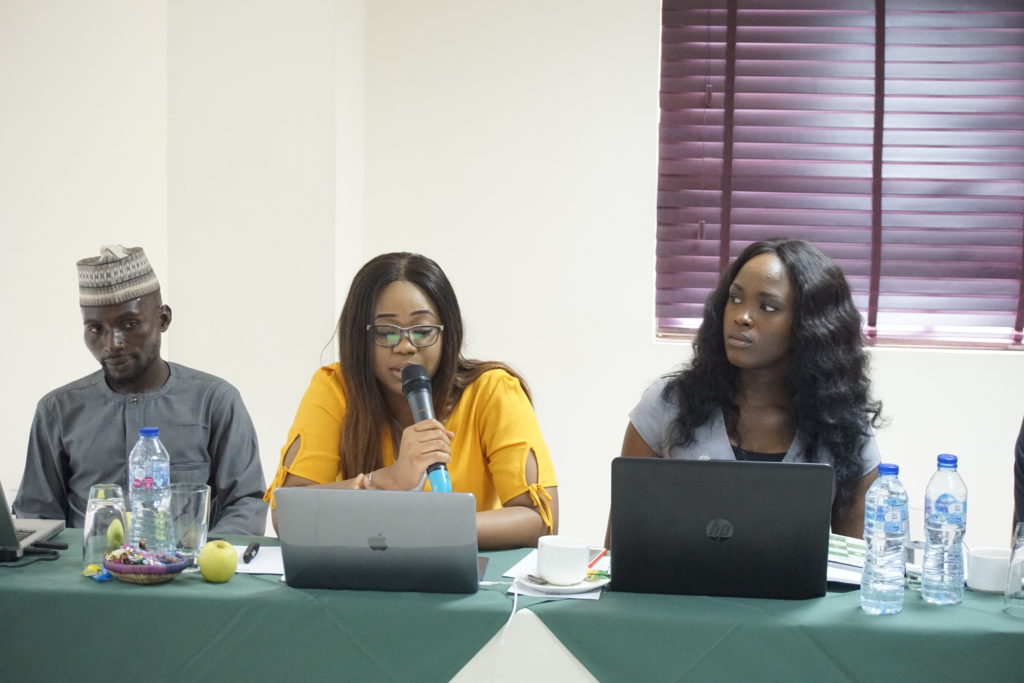
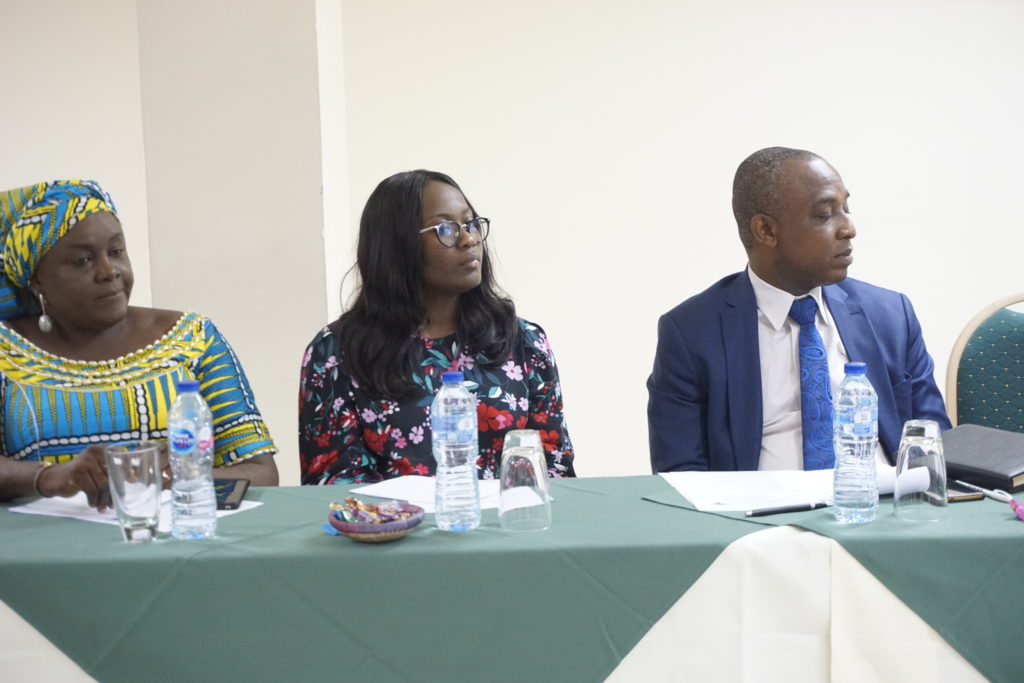
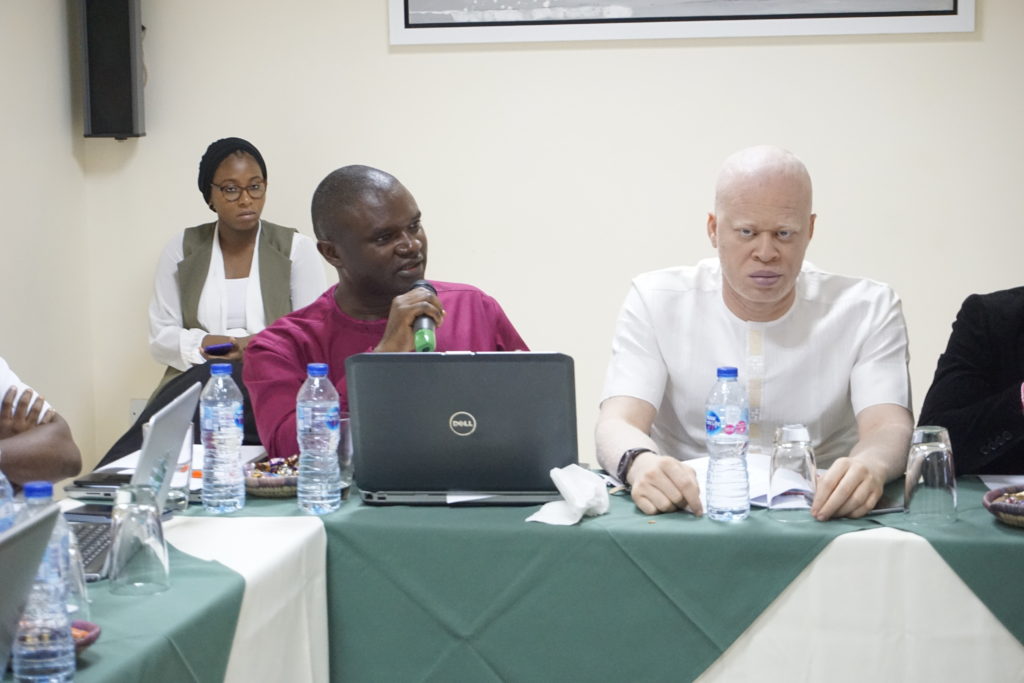
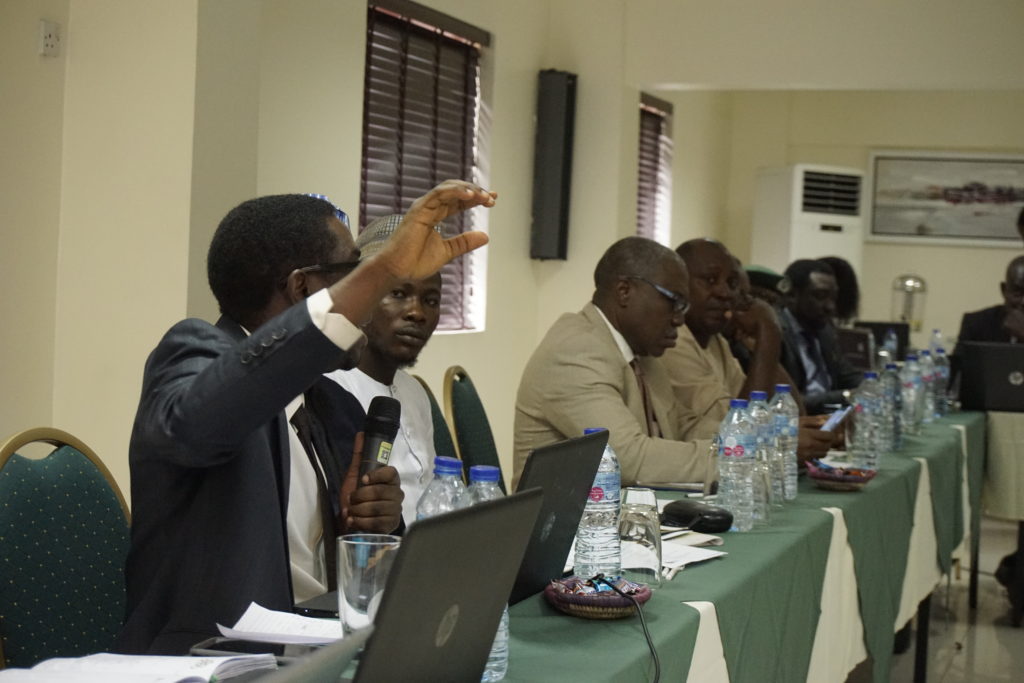
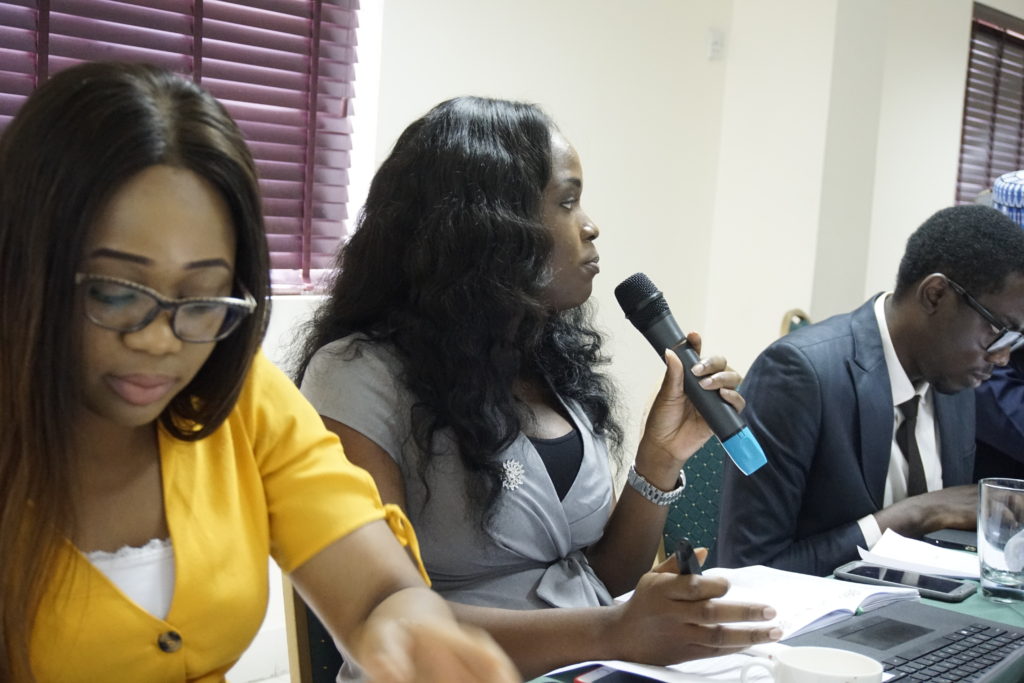
To this end, The Energy for Growth Hub, in partnership with Centre for the Study of the Economies of Africa (CSEA) and Nextier Power recently convened a one-day workshop to discuss some of the power sector’s needs and present to key stakeholders in the power sector, policies that would be essential in resolving the sector’s challenges and restoring financial viability in the value chain.

Click button below to download the outcome of the workshop.
Read More Download PDF Download PDF

2019 Energy Policy Workshop

Nigeria is Africa’s largest economy, but also has one of the widest energy gaps in the world. With a quickly growing population, Nigeria urgently needs to improve its power sector. The country’s current installed capacity is reported at 12,500 megawatts, but in practice, only about 3,800 megawatts gets evacuated. The government’s aim to boost electricity access from 45% today to 90% by 2030 will drive even more demand. The government privatized part of the power sector in 2013 hoping to promote efficiency, attract private investment, and increase generation, but this has yet to deliver results. The Energy for Growth Hub, in partnership with Centre for the Study of the Economies of Africa (CSEA) and Nextier Power convened a one-day workshop to discuss some of the power sector’s needs and present to key stakeholders in the power sector, policies that would be essential in resolving the sector’s challenges and restoring financial viability in the value chain. The workshop focused on three priorities: solving barriers in the gas-to-power value chain, an active plan for renewable energy integration, and energy theft under the theme The Electricity Landscape in Nigeria: Challenges and Policy Bottlenecks The workshop held on Tuesday, May 21, 2019, at The Wells Carlton Hotel Asokoro, Abuja, Nigeria.

In the News

https://businessday.ng/news/article/nextier-stakeholders-want-fg-to-address-weak-governance-data-concerns-2/   https://guardian.ng/energy/experts-raise-concern-seek-review-of-power-sector/
Read More Download PDF

Fostering Effective Tobacco Control Policy Implementation in Nigeria

It is widely known that cigarette smoking and other forms of tobacco use (both active and passive smoking) is damaging to health, poses enormous economic costs, and accounts for a significant proportion of health inequities. Yet, Nigeria’s fiscal policies for tobacco control appear weak. With recent changes, excise tax rates amount to an excise tax burden of just about 16 percent, relative to the 75 percent benchmark recommended by the World Health Organization. With lower tobacco control policies in Nigeria, the country has become the hub for tobacco production in West Africa for companies like the British American Tobacco (BAT).

While smoking prevalence is still low in Nigeria, the prevalence is rising even among women and children in rural areas. Therefore, there is a need for evidence to support effective tobacco control policies in Nigeria that can help curb the emerging tobacco use epidemic. Local evidence can provide context-specific information and tools that are needed to design policies and shape practices that improve public health equitably and generate government revenue to support health-promoting programmes.

To highlight these issues, CSEA organized a round-table workshop to discuss an ongoing research project on Fostering Effective Tobacco Control Policy Implementation in Nigeria. The two-year project was commissioned by the International Development Research Centre (IDRC), Canada and aims to provide research and advocacy towards the design and implementation of an effective tobacco control policy in Nigeria.

The proposed project will focus on:

  1. estimating the pro-health tobacco tax rates and structure
  2. assessing the economic costs and impact of tobacco use across different groups as well as cost-effectiveness of tobacco control interventions
  3. identifying the impact of tax changes on illicit trade as well as cost-effective measures for curbing illicit trade on tobacco products. The studies provide technical local evidence to support tobacco control policymaking and implementation.

The workshop, provided a platform for participants and experts to discuss data, methods and expected outcomes for each component of the research project.  Participants at the workshop include: stakeholders from ECOWAS, Ministry of health, Ministry of Finance, Nigeria Customs Service, Federal Inland Revenue Service, the Academia, Research organizations, Nigeria Tobacco Control Alliance, CSO’s and the Media.

In the News

https://businessday.ng/agriculture/article/csea-insists-on-legislative-review-of-tobacco-taxation/

Read More

Nigeria’s New National Minimum Wage: Responses and Implications for the Economy

By Peace John

On March 19, 2019, the new national minimum wage bill, an issue that featured widely in the 2019 presidential campaigns, finally received legislative approval. The Senate approved ₦30,000 as the new National minimum wage, after nearly 8 years of no-increase from the ₦18,000 paid as minimum wage since 2011. The wage increase was due for review in 2016 according to the law that stipulates that minimum wage should be reviewed at least once every 5 years. As of 2017, Nigeria’s labour and trade unions had initiated agitations and advocacy for a raise for minimum wage workers, particularly owing to the over-due review and inflation’s effect on the value of the wages received. The sustained outcry undertook threatening dimensions, such as strikes and protests on several occasions, to accentuate their demands. Now, their voices have been heard, and what seems to be an applaudable achievement for them, if implemented, may bring with it several short-term and long-term fiscal and economic implications for Nigeria. More importantly, based on prevailing economic realities in Nigeria, it is one thing to approve wage policies and another thing to possess the unwavering capacity to pay the agreed amount. In light of the newly approved minimum wage, this piece highlights the plausible responses of the government, businesses, and the macro-economy at large.

Fiscal Responses

Government’s Non-capital Spending to expand.

As the new wage policy awaits the president’s assent, implementation processes become potentially inevitable and the government is expected to fund the costs arising from implementing the policy. Such costs arise in the form of an increase in personnel expenses with spikes in the percentage of the government revenue utilized for wage bills. According to the CBN, the federal government’s personnel cost rose by 18.5% to N1.85 trillion as the minimum wage was increased from N7,500 to N18,000 in 2011, thus accounting for 52% of FG retained revenue. By 2016, personnel spending had gulped about 59% of FG’s N3.2 trillion revenue and is now projected to enlarge to N2.29 trillion in 2019. With the new minimum wage approved, the government is expected to tender a supplementary budget that would provide for the imminent rise in the wage bill. While the federal government is faced with this stern burden of incorporating the new wage bill into its already strained finances, states face a more severe test given the recurring struggles to pay salaries. These excessive burdens may leave the governments with no choice than to increase borrowing to settle personnel costs – causing a devastating swing on the country’s high debt profile. However, given the shortfall in borrowing capacity, borrowing is almost not an option to be considered. Alternatively, a lower hanging fruit may remain an increase in taxation, particularly Value Added Tax (VAT) – but it has its implications.

Increase in tax rate almost inevitable

Taxation is one means, among many others, used by governments to boost revenue and meet fiscal obligations. To enable the Nigerian government to generate more revenue sufficient to fund the supplementary budget, it is considering an increase in tax rate (VAT). At the prevailing standard 5% VAT, the government generated from about N482 billion in 2013 to N972.3 billion and N1.1 trillion in 2017 and 2018 respectively. However, the tax revenue together with IGR and others, were not sufficient to cater to some states salary structures as many workers were owed salaries for several months. With the recent consideration of 50% rate increase, a VAT would be applied at 7.5% if implemented. The new rate provides a renewed opportunity for the government to garner more revenue; however, the actual point of concern is if this likely increase in revenue will be sufficient to pay the new minimum wage. Although no empirical evidence exists to forecast the amount of tax revenue needed to accommodate the wage increase, the fiscal sustainability of the new wage rate is uncertain given the limited progress made on increasing tax revenue in Nigeria.

Economic Responses

Sustained Inflationary Pressure

In theory, businesses are forced to raise prices when there is an increase in minimum wage, and this ultimately places cost-push inflationary pressures on the economy. Real business practices conform with this theory. A strategic attempt to absorb increasing labour costs tend to cause producers to transfer the cost of wage increase to product prices, which are eventually borne by consumers in form of higher prices. For example, in 2003 when the government reviewed a wage increase, prices of goods and services rose, and inflation rate spiked from about 10.5% to as high as 24%. A similar wage-increase in 2011 saw the inflation rate remain at double-digit for two years thereafter, according to data from the CBN.  If implemented, the 2019 wage increase may cause inflation rate to extensively exceed the CBN’s 12% projection and gradually erode purchasing power and value of the new minimum wage in the long term. By then, the cycle of agitations for another wage raise may come into effect, yet again.

Possible job losses

Empirical evidences such as from the World Bank, suggest that employment effects of a rise in the minimum wage are often significant and negative, particularly in a largely informal labour market like Nigeria. By reorganizing internal human resource structure, businesses that lack the capacity to keep up with an increase in overhead costs may take drastic measures such as retrenching workers and downsizing labour time. With a number of job losses and layoffs, unemployment and underemployment rates are forced to increase. A survey by the NBS showed that between 2011 when there was a rise in minimum wage and 2012, about 1.43 million people who were fully employed or underemployed lost their jobs. Although there was an increase in the labour force population, the total number of unemployed persons rose by 82.5% to 7.3 million. It is likely that the implementation of the 2019 approved minimum wage may project a similar trend given past occurrences.

Going Forward:

Although revenue from taxation has grown over the years, efforts of the government and revenue generating agencies to improve tax revenue have yielded limited progress. While collection processes have improved, other areas for improvement exist such as limited tax coverage that mitigates the collection efforts. To ensure that efforts yield the much-needed progress and beyond the existing collection process, widening Nigeria’s tax net is absolutely necessary. Lagos state sets a remarkable example for other states to follow through its model tax administrative machinery. The machinery granted full autonomy to the Lagos State Inland Revenue Service in 2006 and created new tax operational units within the agency. In 2008, the agency introduced the self-assessment filling system and a system for collaboration with other MDAs. To capture a wider range of the informal sector, in 2016, tax assessments were translated to various local languages, and more than 39 tax stations had been established across the state with compliance initiatives as priority. As a result of the wider coverage, Lagos state has witnessed unprecedented IGR growth – from a monthly average of N5.1 billion in 2006 to N56.7 billion in 2018. Going forward, states whose tax agencies lack such machinery should first be granted autonomy by the state governments.  Further, capturing a wider range of informal sector in each state and at the federal level through similar initiatives is vital to adding more taxpayers into the tax net.

Individuals and businesses are not left out in ensuring that the new minimum wage policy works for the improvement of the economy. To do this, critical emphasis on employee/worker productivity is essential, particularly when the alternative retrench mechanism is not an option. For individuals: collecting a higher wage is needful to encourage their improved commitment and performance. For businesses: given that productivity is an important determinant of economic growth, spurring productivity could inform higher national output. More regular assessments and demanding increased realistic targets from each employee are imperative measures that could be used to ensure improved productivity among workers and employees.


 

Read More

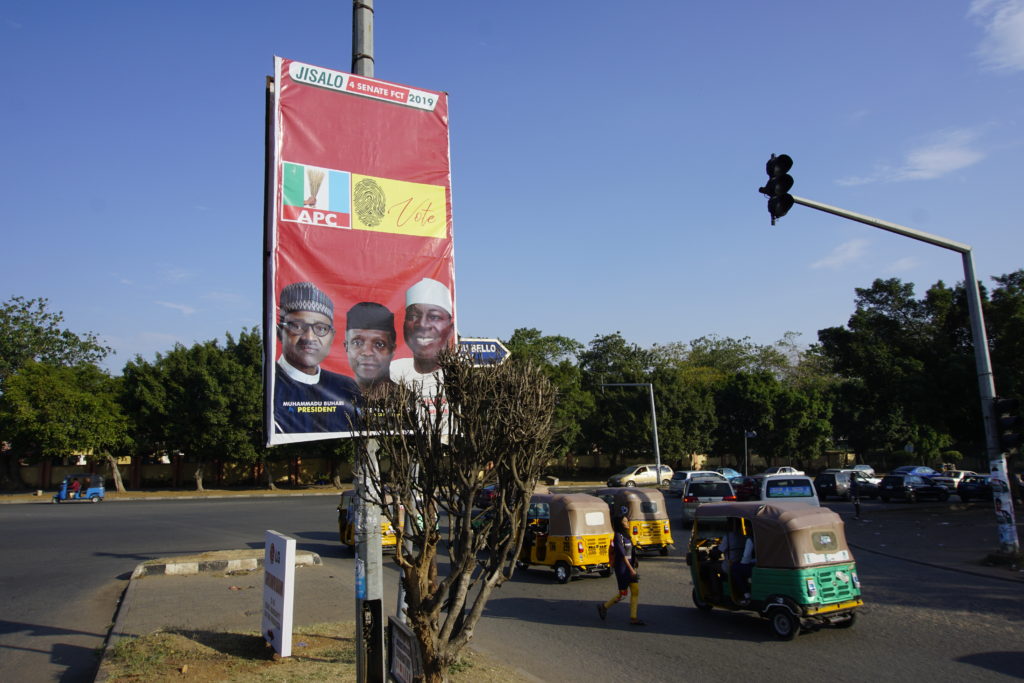
Effects of 2019 Elections: Predicting the Economy’s Response in Nigeria

The stability of the country’s political environment is an essential element in determining and predicting the level of economic growth in a democratic economy. The traditional assumption in the political economy model is that opportunistic politicians have the tendency of manipulating economic policy around election times for political gain. The poor and largely uneducated electorate who are more likely to be susceptible to political manipulations dominate the process of electioneering in developing countries such as Nigeria. This piece analyses the changes in economic indicators caused by clearly exogenous changes resulting from the electioneering process (i.e. before, during and after the elections).

Do Election Cycles sway the Stock Market?

While it is well established that election cycles in Nigeria bring with it some level of political instability amongst and between rival parties, the dimension of this effect on the economy is unclear. In a review of stock market information, the following findings were emphasized:

  • In a research study by Osamwonyi and Omorokunma (2017) on portfolio selection in the Nigeria Stock Exchange (NSE) during elections, the analysis established that while investors strived to minimize losses and maximize gains, market friction and instability during the 2003, 2007 and 2011 election periods instigated low returns performance; and election results negatively affected the relationship between risk and return behaviour of selected companies.
  • In 2015, few months before the general elections, stock indices experienced more downtrends than uptrends and eventually culminated in an annual loss of -16.14 percent. In a similar report, the pre-2015 election year was characterized as a major-loss year for investors, a reoccurrence of a similar event in the pre-2011 election year. Investors lost about N3.23 trillion as at the end of 2014; a similar occurrence is tracked in the forthcoming 2019 elections: 2018 was marked by severe market losses.
  • In Nigeria, evidence shows that trading activities on the stock markets tend to react sensitively to past presidential election results (i.e. 2011 and 2015 elections). Particularly, the outcome of the 2011 elections saw trading activities negatively responding 2 days prior to and till 4 days after the election (Osuala et al., 2017). Overall, in both election years, electioneering activities and outcomes do affect stock market in a certain direction, depending on both the winner as well as the anticipated economic and financial policies of the new administration.
  • With respect to foreign investment in the stock market, a similar negative trend is seen with net foreign portfolio investment and All Share Index (ASI) generally dwindled towards the potential end of a presidential tenure: six months before another election is held.[1] The 2003, 2011 and 2015 elections showed the same trend and also showed a continued decline few months after the elections.


How much will the election cost the nation?

The need to win the hearts of electorates and to garner more votes via campaigns often push up government and contesting politicians’ spending in the months leading to the polls. The National Institute of Legislative Studies reports that, in 2015, more than $600 million was spent for an election that involved about 67 million voters – far more than obtainable in developed and bigger economies like Canada and the United Kingdom. The cost was not inclusive of undocumented individual costs incurred by politicians. The 2019 election is to cost about $669 million (N242 billion)[2], equivalent to the current running budget for capital projects in both health and education. In a country with over 70 percent of its populace living in poverty and an economy basked in excessive borrowings, the extensive spending is made at the expense of capital expenditure, provision of essential social infrastructure, and economic progression. The anomaly has become a norm in Nigeria and has also invalidated the cap on election campaign spending (N1 billion for presidential candidates and N200 million for governors) stated in the electoral act, 2010 as amended. Although election spending is absolutely necessary, the huge costs haunt the country post-election.

How have exchange rate, FDI, and external reserve fared during and after elections?

Presidential and general campaign periods are boom eras for the parallel foreign exchange market, and with huge dollar demands for political campaign activities, come the imminent pressure on the value of the naira. During most of the previous election periods, exchange rates were clearly seen to be adjusting to uncertainties surrounding the political environment. For the past four elections—1999, 2003, 2011, and 2015—the probability of having depreciating exchange rate was higher in the months preceding the elections, and sustained depreciation of the Naira was evident few months before, and in some cases, beyond the elections. In 2011, the exchange rate which averaged N153.98/$ six months to election rose to N157.1/$ in election month. Also, the Naira exchanged for N168.64/$ in the run-up to the 2015 election, and increased to N222.93 in election month. For the 2019 election, there are anticipated pressures on the stability of the Naira; however, the CBN is consciously dedicated to ensuring stability in the foreign exchange rate market.

In addition, foreign investors are often deterred during election periods, either in a risk-averse or risk avoidance posture. Their appetite for investments stall prior to elections and this reflects a mindset to gauge the outcome of the elections before further investment decisions are made. For example, Foreign Direction Investment (FDI) flows to Nigeria fell significantly to $73 million one month to the 2007 elections, from $460 million the previous month. Although 2007 marked a transition-government year the falling FDI trend was no different in the month leading up to both the 2011 and 2015 elections. However, there were increases in FDI some months after the stated elections - a possible signal of return of investors’ confidence – at the backdrop of a plausible die-down of political uncertainties. The electioneering period have also injected a dose of precariousness into the value of external reserves. Rather than accrete sustainably, the reserve dwindled during some of the periods and showcased a possible instability in net inflows. Before the 1999,2011 and 2015 elections, the reserves shed some dollars just prior to the election months respectively. For instance, from $8.2 billion five months to the 1999 election to $6.3 billion in the election month, and a significant fall in 2015 from $36.3 billion in the fifth month leading to the general election, to $29.4 billion as at the election month. The trends signify what seem to be capital outflows amid impact of other external factors, and alleged speculations that the reserve was used to fund election campaigns. A similar reserve downtrend is being noticed in run-up months to the 2019 election.

Conclusion

The analysis shows that the electioneering period brings with it not only uncertainty but also significant changes in economic activities. From stock markets to investors’ behaviours the election process and outcomes become determining factors to where people put their money and what they spend it on. This raises the question of what should be the economic policy focus of either the incumbent or incoming government in Nigeria. Given that Nigeria is still recovering from recession and recently ranked with high incidence of poverty, it is expected that the state of the economy should be of upmost priority to policy makers and government officials.

In our forthcoming policy brief we present the economic priorities that the new government needs to focus on. Look forward to it!

[1] http://www.adsrng.com/monthly-bulletin/

[2] https://www.thisdaylive.com/index.php/2018/10/17/finally-nassembly-approves-inecs-n242bn-election-budget/

Read More