 English
 Arab
Arab
 Deutsch
 Português
 China
China
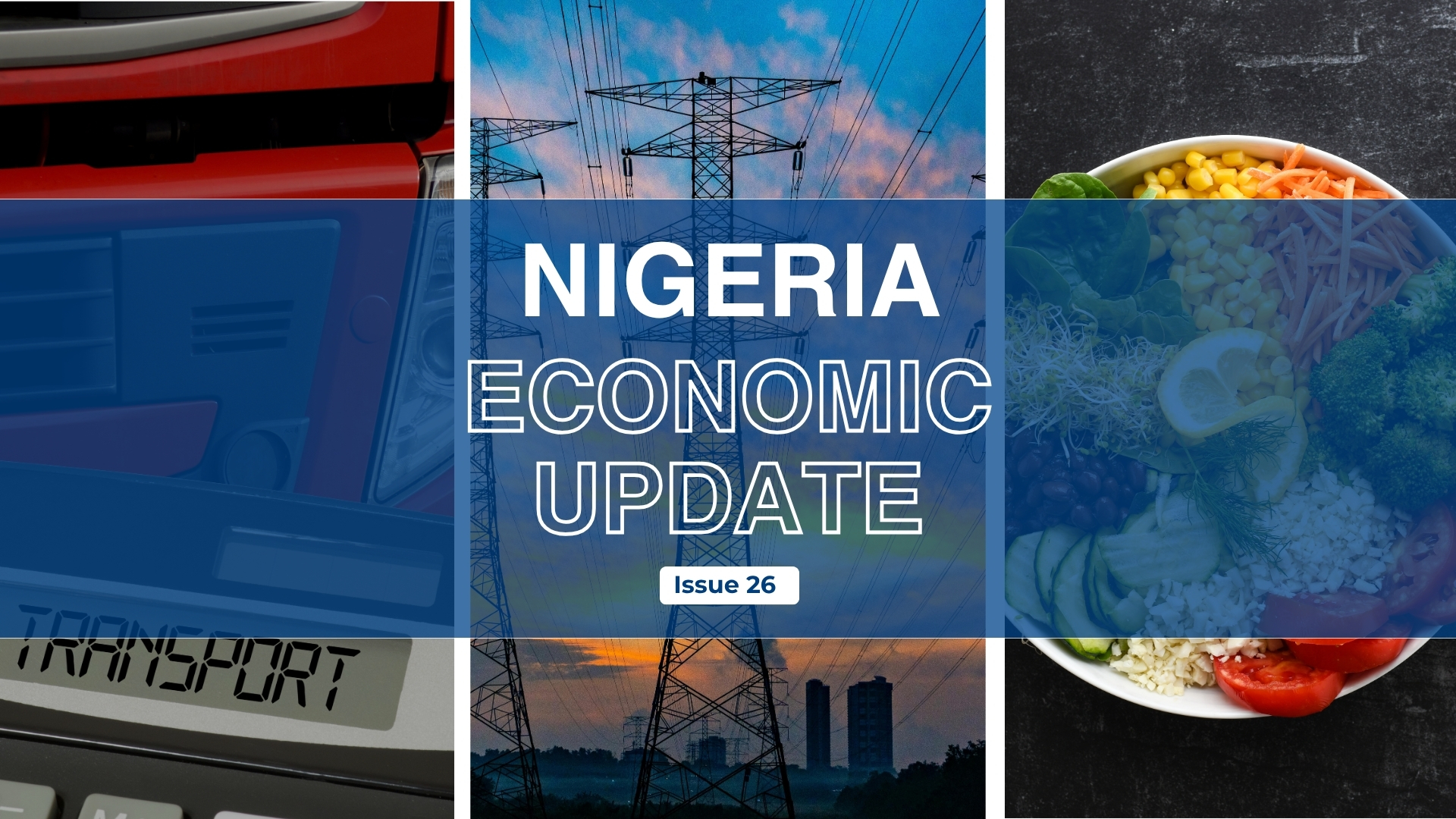
According to the National Bureau of Statistics (NBS), Nigerian commuters faced heightened transport costs across all major modes in May 2026. Specifically, the average fare for an intra[1]city bus journey increased by 2.43% month-on-month to ₦1,431.25, representing a significant 38.63% year-on-year surge. Similarly, intercity bus fares per drop climbed to ₦9,699.55, reflecting a 0.96% month-on-month increase, and a 21.89% year-on-year increase. Furthermore, motorcycle (Okada) transport witnessed the steepest annual jump, with average fares soaring by 52.45% year-on-year to reach ₦1,072.51. Likewise, air travel and waterway passenger transport were not spared, recording year-on-year fare increases of 20.86% and 30.88%, respectively. The current surge in transport costs across all modes of transportation can largely be attributed to the increase in crude oil prices on the international market, driven by the ongoing conflict in the Middle East. This has, in turn, led to higher petroleum product prices. Consequently, financial pressures on households have likewise surged, as commuting expenses consume an increasingly larger share of disposable income. Moreover, these rising logistical costs inevitably cascade into the broader economy, increasing the prices of goods and services and fueling overall inflationary momentum. Therefore, the government must urgently prioritise targeted interventions to alleviate these pressures, such as deploying subsidised mass transit schemes across heavily populated urban centres. Ultimately, accelerating investments in alternative transportation infrastructure, particularly rail and inland waterways, will sustainably reduce the overreliance on expensive road transport.
Download PDF