

Highlight

CSEA Assumes Sustainability Partner Role for TCDI in Seven African Countries


The Centre for the Study of the Economies of Africa (CSEA) is pleased to announce that CSEA has officially taken over as sustainability partner for  the Tobacco Control Data Initiative (TCDI) from Development Gateway: An IREX Venture (DG), following the successful completion of the Mentorship phase (Years 1 and 2) of the programme. 

The TCDI Dashboard supports governments, civil society, and academia with access to quality, timely, and validated,  data to inform the design and implementation of more evidence-based tobacco control policies across Africa. The initiative is being implemented in seven countries: Nigeria, Zambia, South Africa, Kenya, Ethiopia, and the Democratic Republic of Congo and Senegal, across sub–Saharan Africa.

CSEA’s Role as Sustainability Partner of Expansion Phase (Year 3 and 4)

In its new role, CSEA will leverage already established networks and  expertise of partner organisations across TCDI countries to strengthen national ownership, stakeholder coordination, and long-term uptake of the Dashboard. This will  include facilitating structured engagement with national governments and key actors in tobacco control, supporting clear and consistent communication, and enabling collaboration that sustains the programme’s relevance and impact beyond implementation cycles.

Throughout this expansion phase, DG will support CSEA in drawing upon the successful approaches used in TCDI 1.0, specifically by guiding CSEA in employing a user-centered approach in which stakeholders are at the heart of website development. This user-centered approach will ensure that the data on the new TCDI website meets the stakeholders’ needs and improves users’ interaction with the platform. In this phase, CSEA will also conduct the second round of prevalence spot checks.

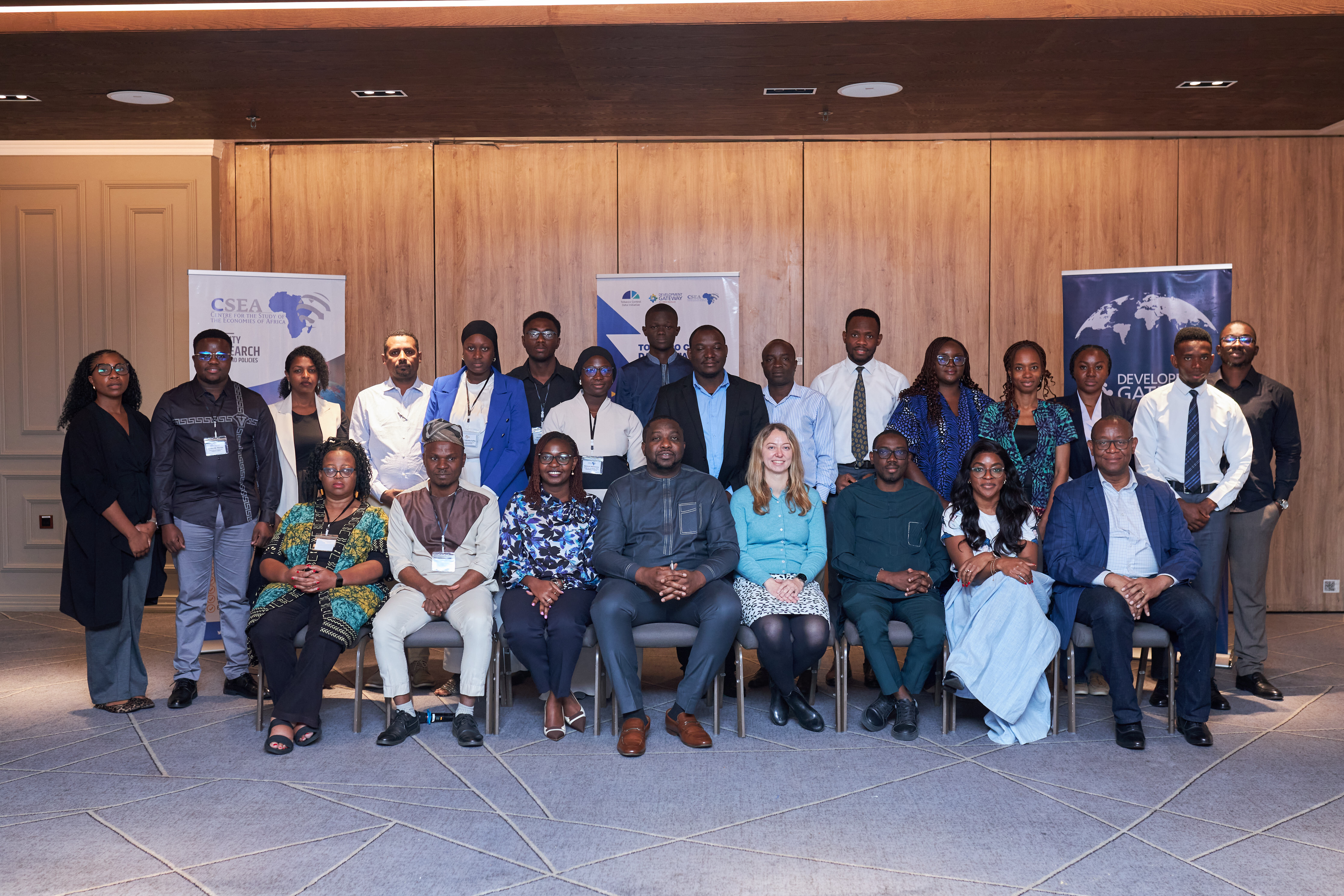
CSEA, in collaboration with Development Gateway (DG), recently held  a four-day TCDI Workshop held in Lagos from December 2 to 5, 2025, bringing together programme team members to review progress and align  priorities for Year 3 (2026).The workshop focused on  reflections on Year two  achievements, onboarding for newer team members, and clarification of roles and workplans for the year ahead. 

Looking Ahead

With CSEA serving as Sustainability Partner, the TCDI Dashboard is positioned to reflect deepened country level engagement  while strengthening pathways for evidence-based tobacco control across participating countries. CSEA will continue working with DG and country stakeholders to support effective coordination, broaden awareness and use of the Dashboard, and reinforce institutional partnerships that drive sustained policy impact.

Read More

Small Steps to Big Intelligence

Nigeria's digital governance journey reflects bold ambition meeting incomplete execution. Internet penetration reached close to half the population in 2024[1]. The National Information Technology Development Agency’s (NITDA) Strategic Roadmap (2021–2024) seeded hundreds of digital centres across the federation,[2] and the National e-Government Master Plan targets 75% digitisation of public services by 2027 , while the Nigeria Data Protection Act (2023) established an independent
commission to safeguard privacy and govern data use

Read More Download PDF

Assessing Digitalization and the Economy

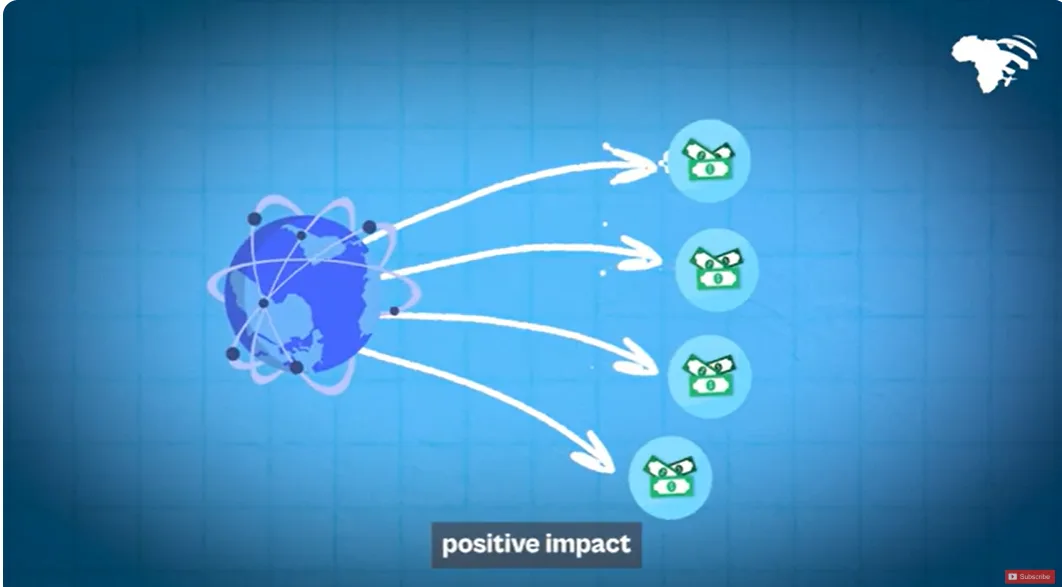
As advanced economies race ahead with digital integration, developing countries like Nigeria are undergoing significant digital transformations. This video explores the economic and environmental ripple effects of a five-year digitalisation policy, using a dynamic Energy-Environment CGE model. The results reveal an increase in national output levels.

Read More

International Day of Education 2025

Artificial intelligence has revolutionized education and will continue to shape its future. As we celebrate the International Day of Education every 24th of January, it's crucial to recognize the growing influence of AI in learning systems. While AI-driven systems offer unprecedented opportunities, they also blur the lines between human intention and machine action. This calls for careful monitoring and intentional guidance to ensure that education not only embraces innovation but also preserves and elevates human agency in this rapidly evolving technological era. CSEA is pushing the conversations around the future of AI in education and its potential to bridge the gender gap and enhance educational equity in Africa. Read more on our research on EdTech’s landscape in Africa in a publication by Dr. Adedeji Adediran, Abdulfatai Adedeji, Emmanuel Nwosu, Emmanuel Nwugo, and Great Nnamani. The study examined the adoption of EdTech in primary and junior secondary education in Sub-Saharan Africa.

Read More

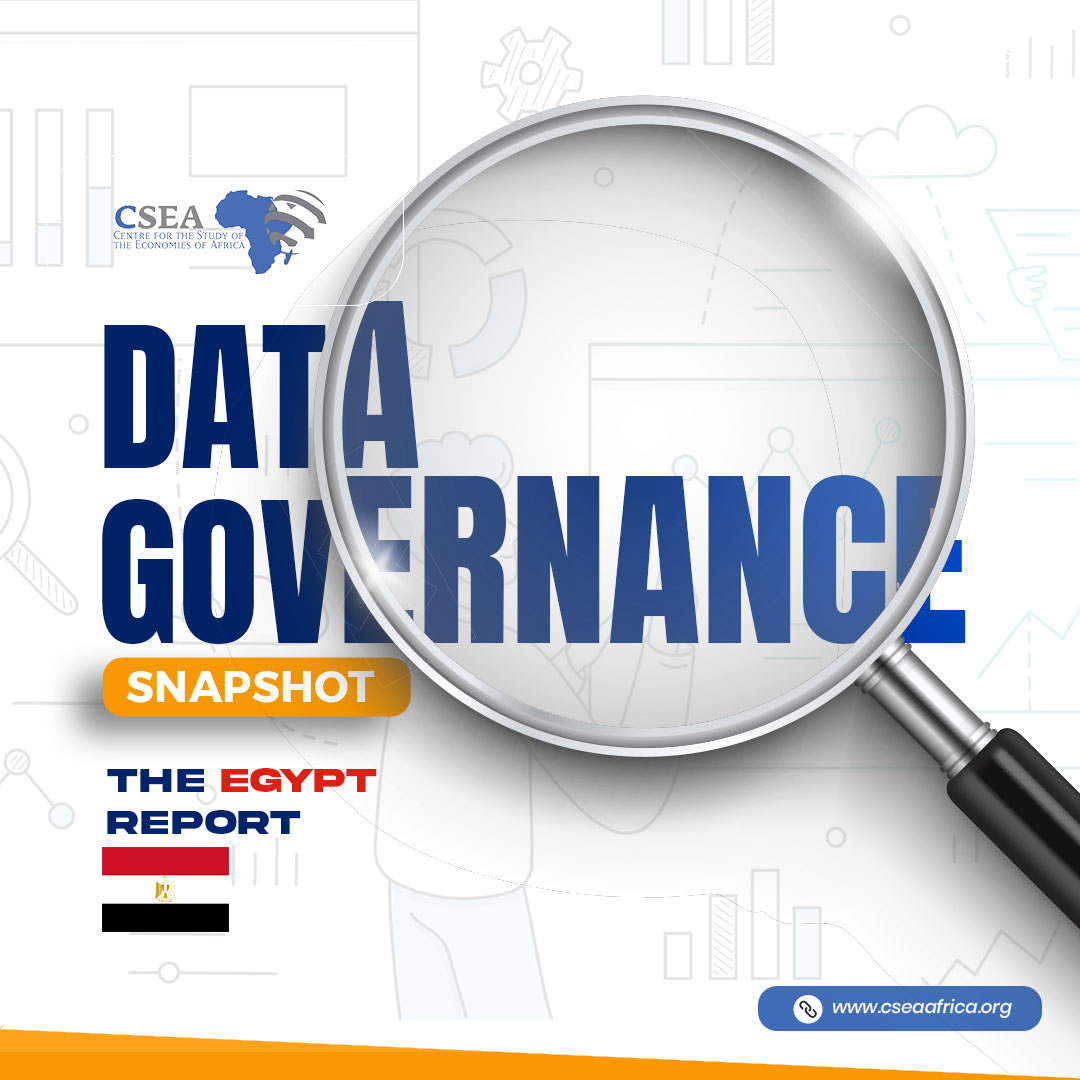
Data Governance Snapshot: The Egypt Report

Egypt’s young and vibrant population has the potential to play a pivotal role in the digital transformation initiative of the Arab Republic. Adolescents and youth account for about one-third of the over 100 million Egyptian population, providing a potentially favourable demographic for rapid digital development. The Egyptian government recognises this potential and is introducing strategies and developments to realise a “D igital Egypt”. For example, the Information and Communication Technology Strategy 2030 ( ICT 2030) is expected to focus on improving public service delivery through e-governance initiatives, developing capacity and digital literacy, and improving research and innovation by encouraging collaborative efforts by public and private organisations. ICT is recognised as the fastest-growing sector in Egypt and contributed about 5.8 percent to GDP in the past year. Although these are steps in the right direction, more work needs to be done for digital development to reach the desired state in Egypt.

Read More Download PDF