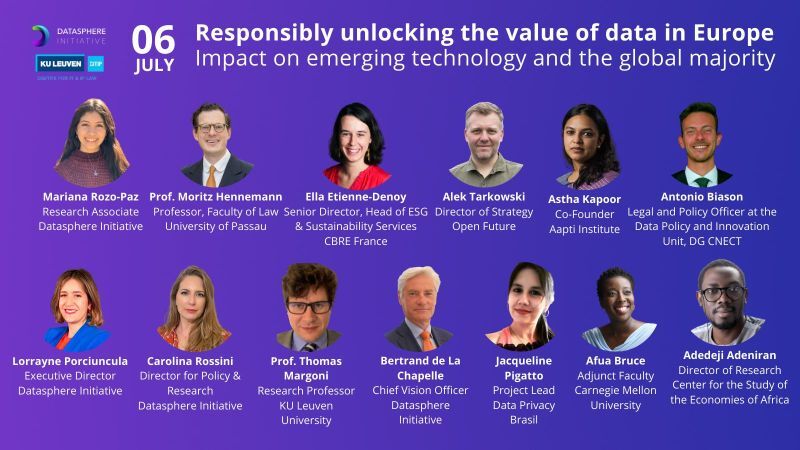
The event provided a platform for policymakers, businesses, civil society, and academia to discuss the European data strategy, its norms, and implications for emerging technology such as Artificial Intelligence and data governance practices in the global majority.
Panelists discussed the questions still left open, and upcoming challenges for Europe to responsibly unlock the value of data for all.
CSEA’s Director of Research, Dr Adedeji Adeniran joined the panel session to discuss how European (and global) data governance efforts have developed in a fragmented and siloed manner and the impact this is having on data governance approaches in the global majority and the ability to deal with emerging technology such as Artificial Intelligence.
This blog shares some key takeaways and outlines recommendations for stakeholders.
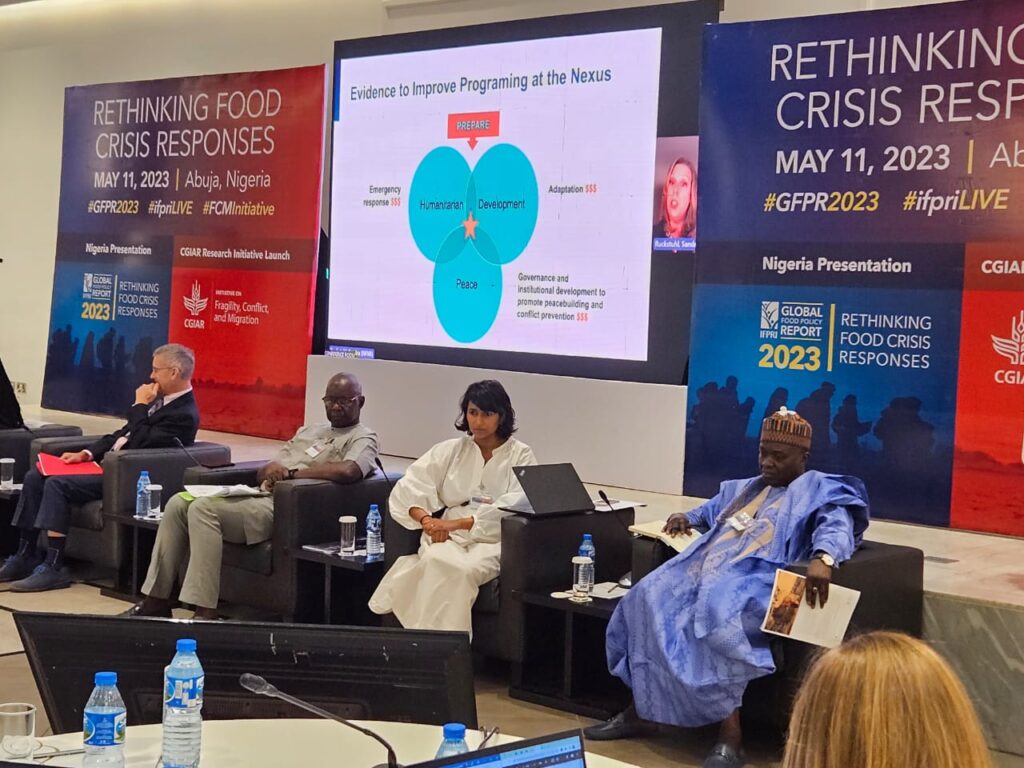
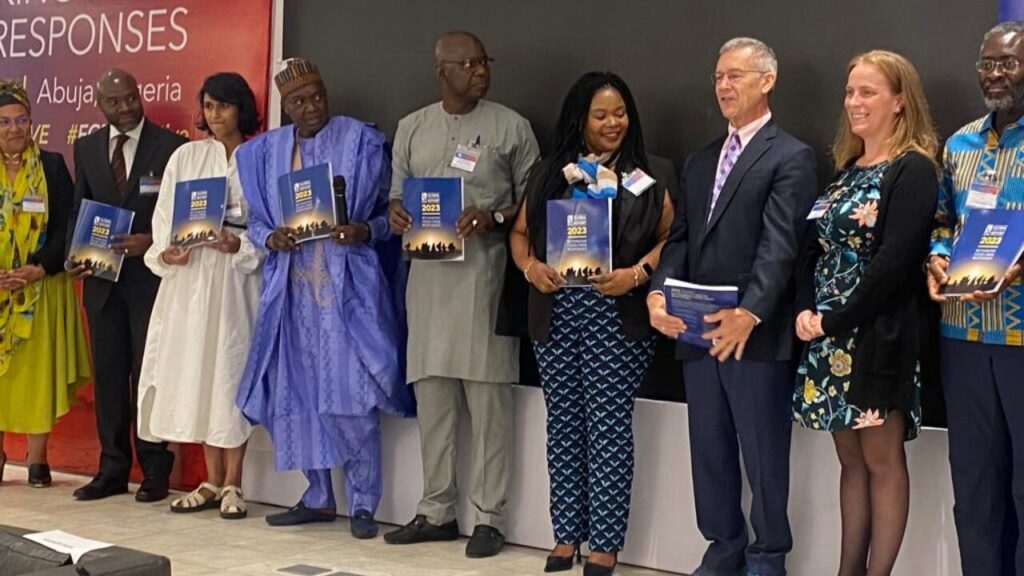
The International Food Policy Research Institute (IFPRI) convened stakeholders at the presentation of IFPRI’s 2023 Global Food Policy Report and the launch of a new CGIAR Fragility, Conflict and Migration (FCM) initiative.
The Global Food Policy Report titled ‘Rethinking Food Crisis Responses’ examines how to improve crisis response and build resilience in the face of shocks to food systems around the world, triggered by economic challenges, and conflict, among others.
The new CGIAR Research Initiative on Fragility, Conflict, and Migration (FCM) kicks off its research agenda with a focus on climate resilience, gender equity, and social inclusion.
Augustine Iraoya, Research Associate at CSEA, participated in this event, which was held on May 11, 2023, at Fraser Suites, Abuja, Nigeria.
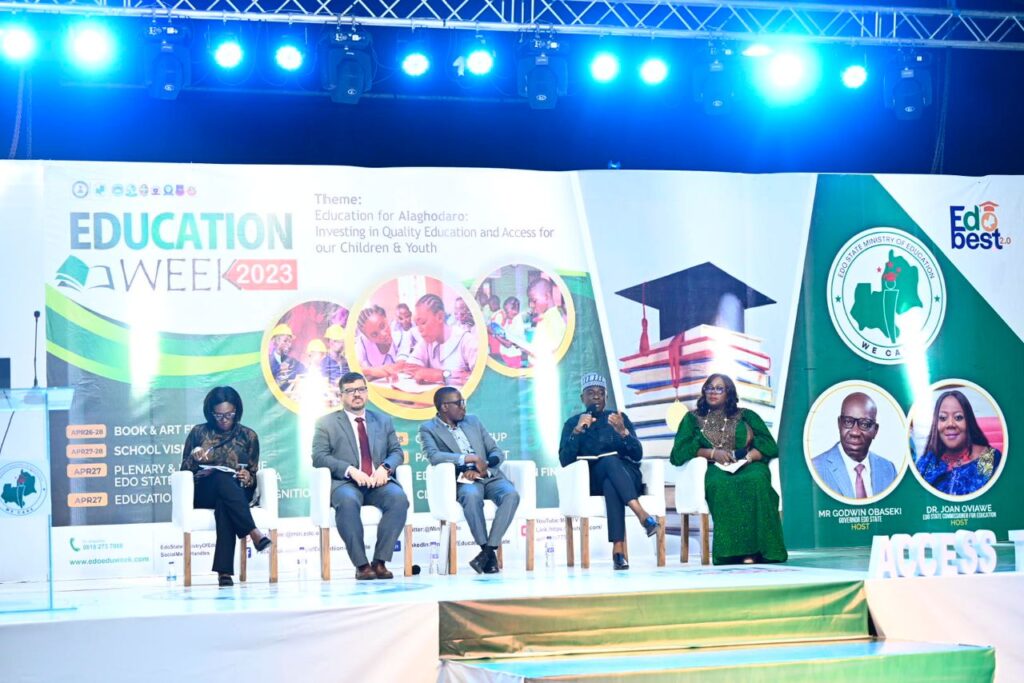
The Ministry of Education, Edo State, hosted a one-week event to invest in quality education and access for children and youth. The Edo Education Week is designed as an annual week-long event by the Edo state government to highlight progress made in the education sector in the state, draw attention to existing challenges and chart a course for agreed solutions.
CSEA's Director of Research, Dr Adedeji Adeniran, joined the technical panel to discuss the importance of measuring learning outcomes to improve the education sector’s performance. The session also highlighted international experiences in measuring outcomes and emphasized the relevance of developing a performance-based system for the education sector.
The event was held from April 26 to April 30, 2023 in Benin, Edo State.
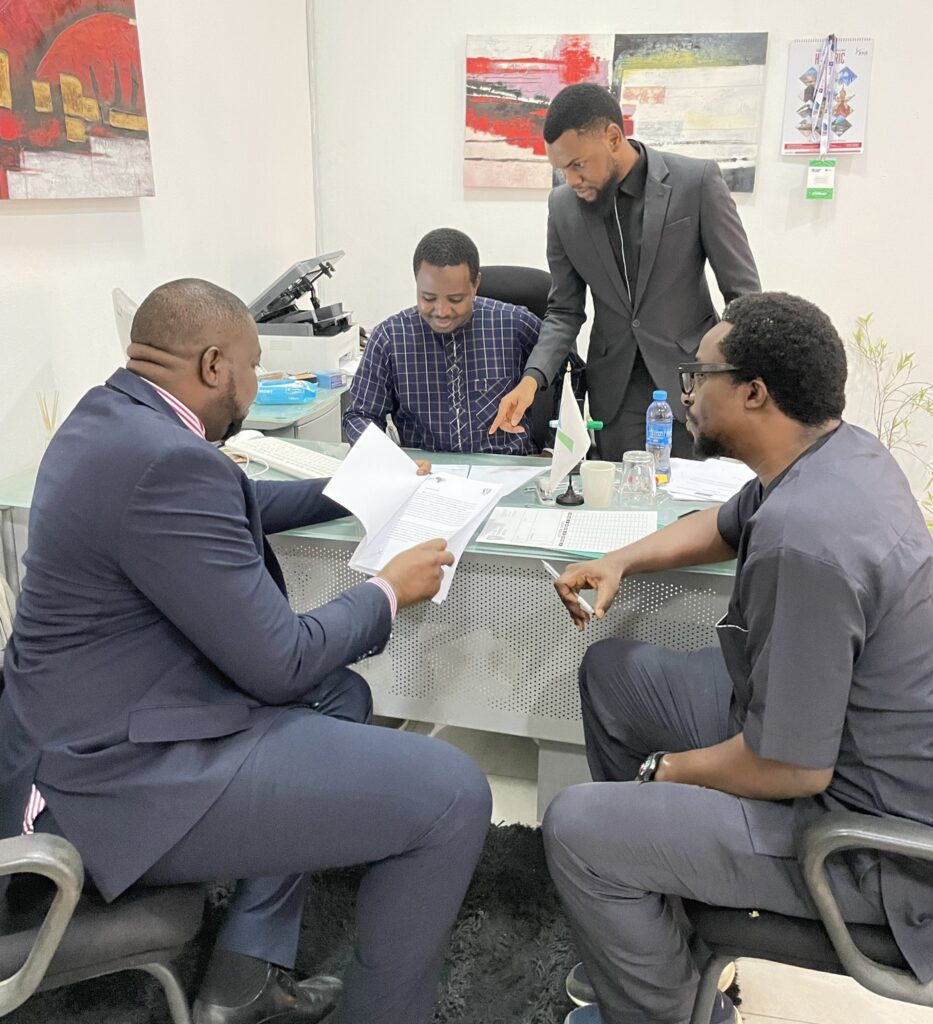
The Centre for the Study of the Economies of Africa has signed a Memorandum of Understanding (MoU), with Baze University Abuja, a distinctive quality-based educational institution making a difference in the Nigeria’s history through the positive impact of its service and graduates output.
The MoU is for a duration of four years and will see to the collaboration of both institutions in capacity building in emerging economic issues, PhD research funding and supervision, grantsmanship and proposal development.
The MoU also provides an opportunity for both Undergraduate and Postgraduate students from Baze University to undergo internship at CSEA, as well as opportunities for staff to collaborate on CSEA ongoing projects as consultants.
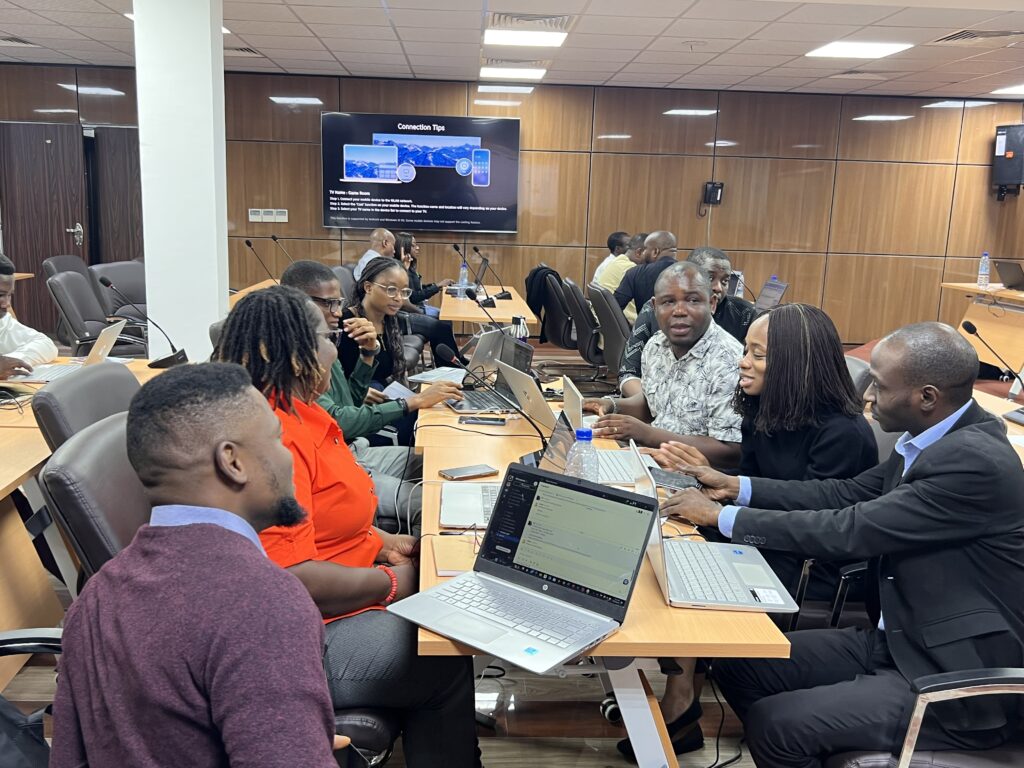
CSEA organized a five-day capacity-building workshop on qualitative data analysis using Dedoose software. The training which held from March 20 to 24, 2023, was facilitated by Dr Terence Darko, Senior Researcher and Consultant at Associates for Change (AfC) and moderated by Ayodotun Ayorinde, Research associate and Project lead at CSEA for the project on “Increasing Access to Quality Education for Rural and Marginalised Children in West Africa— A Comparative Study of Accelerated Education and Girls Focused Programmes in Ghana, Nigeria and Sierra Leone”.
The training provided a platform for participants to learn the key features and capabilities of Dedoose software; gain hands-on experience with organising data and coding in Dedoose; and to also understand best practices for using Dedoose in qualitative data research projects.
The event was attended by over twenty participants from the National Bureau of Statistics (NBS), NOI Polls, Baze University, African University of Science & Technology, and the African School of Economics.


 English
 Arab
Arab
 Deutsch
 Português
 China
China