
 English
 Arab
Arab
 Deutsch
 Português
 China
China
Research Dissemination and Roundtable Discussions on Social Protection Amidst Crises in Nigeria
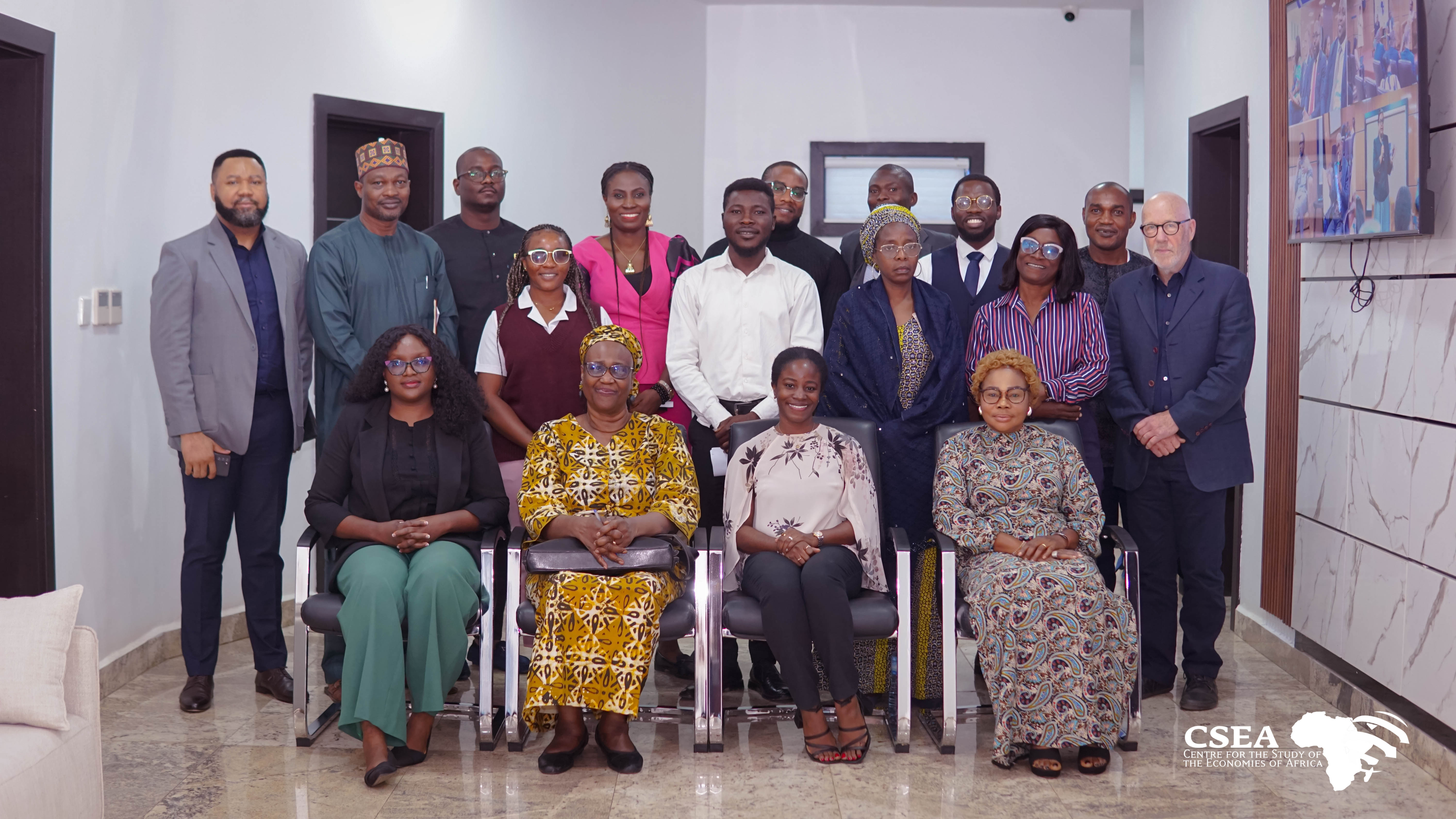
On November 12-13, 2024, the Development Research Projects Centre (dRPC), in collaboration with the Chronic Poverty Advisory Network (CPAN) and the Centre for the Study of the Economies of Africa (CSEA), hosted two significant events in Abuja. These events focused on the findings and discussions around "Poverty Dynamics and Social Protection Amidst Complex Crises in Nigeria," an initiative that explores the complexities of poverty in Nigeria amidst crises such as conflict, displacement, climate shocks, and the COVID-19 pandemic.
Research Dissemination on Social Protection Amidst Crisis
The first event, a research dissemination, took place on November 12 at Hawthorn Suites, Abuja. This session provided a platform for policymakers, development partners, and researchers to explore evidence-based strategies for improving social protection systems and crisis response in high-poverty regions. The focus was on the findings from the "Poverty Dynamics and Social Protection Amidst Complex Crises in Nigeria" project, which was conducted through dRPC’s BASIC research project and CSEA’s DEEP project.
Dr. Adedeji Adeniran, Director of Research at CSEA, presented key findings from the research titled “Social Assistance and Coping with Crises in Borno, Nigeria.” This presentation provided valuable insights into the challenges faced by vulnerable populations and offered recommendations for strengthening social protection systems. The event was attended by notable figures such as Drusilla David, CSEA's Head of Communications, along with research associates Fidelis Obaniyi, Chisom Udora, and research assistant Adejo Moses Adejo.
Roundtable Discussion on Sustainable Financing for Social Protection and Health Insurance
The following day, November 13, a roundtable discussion was held on the “Sustainable Financing for the Expanded Coverage of Social Protection Programs and Comprehensive Health Insurance in Nigeria.” The roundtable, moderated by Drusilla David, provided a forum for an in-depth conversation on how to improve financing mechanisms for social protection and health insurance in Nigeria.
CSEA’s Research Associate, Fidelis Obaniyi, delivered a compelling presentation titled “Social Protection and Sustainable Financing in Nigeria.” He emphasized the urgent need for effective financing models to support the expansion of social protection and health coverage in the country. Obaniyi noted that although Nigeria’s GDP is often seen as a measure of economic health, it does not adequately reflect the large segment of the population that requires social protection. He highlighted that Nigeria's poverty reduction rates and public social expenditure are significantly lower compared to other Sub-Saharan African nations.
A critical takeaway from his presentation was the importance of health insurance in alleviating poverty. He pointed out that slow progress toward universal health coverage in Nigeria is contributing to a financial burden on citizens, who experience much higher out-of-pocket health expenses compared to regional and global averages.
Key Discussion Points from the Roundtable
Following the presentation, participants from government ministries, civil society organizations, and research institutions engaged in a lively discussion. Several key issues were explored:
- Defining Social Protection: There was broad agreement on the need for a clear and unified definition of social protection, encompassing both public and private sector initiatives to ensure comprehensive coverage.
- Data Localisation: Participants stressed the importance of using locally sourced data, especially from the National Bureau of Statistics (NBS), to craft policies that are tailored to Nigeria’s unique context, rather than relying too heavily on international datasets.
- Cultural and Religious Influences: The role of cultural and religious factors in shaping public perceptions of health insurance was also discussed. The need for policy interventions that are sensitive to these influences was recognized as essential to improving health insurance adoption across Nigeria.
- Data Transparency and Accountability: There was a strong call for the establishment of a unified, transparent data repository to track social protection metrics. This would ensure accountability in funding and improve the monitoring of social protection programs.
- Inclusion of Informal and Private Sectors: Participants emphasized the importance of including informal and private sector stakeholders in the broader social protection framework to ensure a more inclusive and sustainable system.
Recommendations for Expanding Social Protection Coverage
The roundtable discussion highlighted several key components of social protection that should be prioritized:
- Social Assistance: Expanding and improving cash transfers and other forms of social assistance.
- Health Insurance: Focusing on increasing the uptake of health insurance, with particular emphasis on reducing out-of-pocket expenses for Nigerian citizens.
- School Feeding Programs: Strengthening school feeding initiatives, which have shown effectiveness in poverty alleviation.
The need for robust advocacy campaigns to raise public awareness and support for health insurance was also emphasized. Additionally, participants agreed that centralizing data on social protection programs is crucial for tracking progress, ensuring transparency, and maintaining the integrity of funding flows.
Conclusion
In closing, Prof. Ann Walker, Executive Director of dRPC, and Prof. Andrew Shepherd, Director of CPAN, emphasized the need for a comprehensive understanding of Nigeria’s social protection landscape. They called for increased data collection from all regions of the country to ensure that policies are inclusive and reflect Nigeria's diverse socio-economic realities. Both experts advocated for the development of a robust and inclusive social protection framework that would strengthen government efforts, improve resilience, and ensure sustainable improvements for Nigeria’s most vulnerable populations.
On November 12-13, 2024, the Development Research Projects Centre (dRPC), in collaboration with the Chronic Poverty Advisory Network (CPAN) and the Centre for the Study of the Economies of Africa (CSEA), hosted two significant events in Abuja. These events focused on the findings and discussions around "Poverty Dynamics and Social Protection Amidst Complex Crises in Nigeria," an initiative that explores the complexities of poverty in Nigeria amidst crises such as conflict, displacement, climate shocks, and the COVID-19 pandemic
”