
 English
 Arab
Arab
 Deutsch
 Português
 China
China
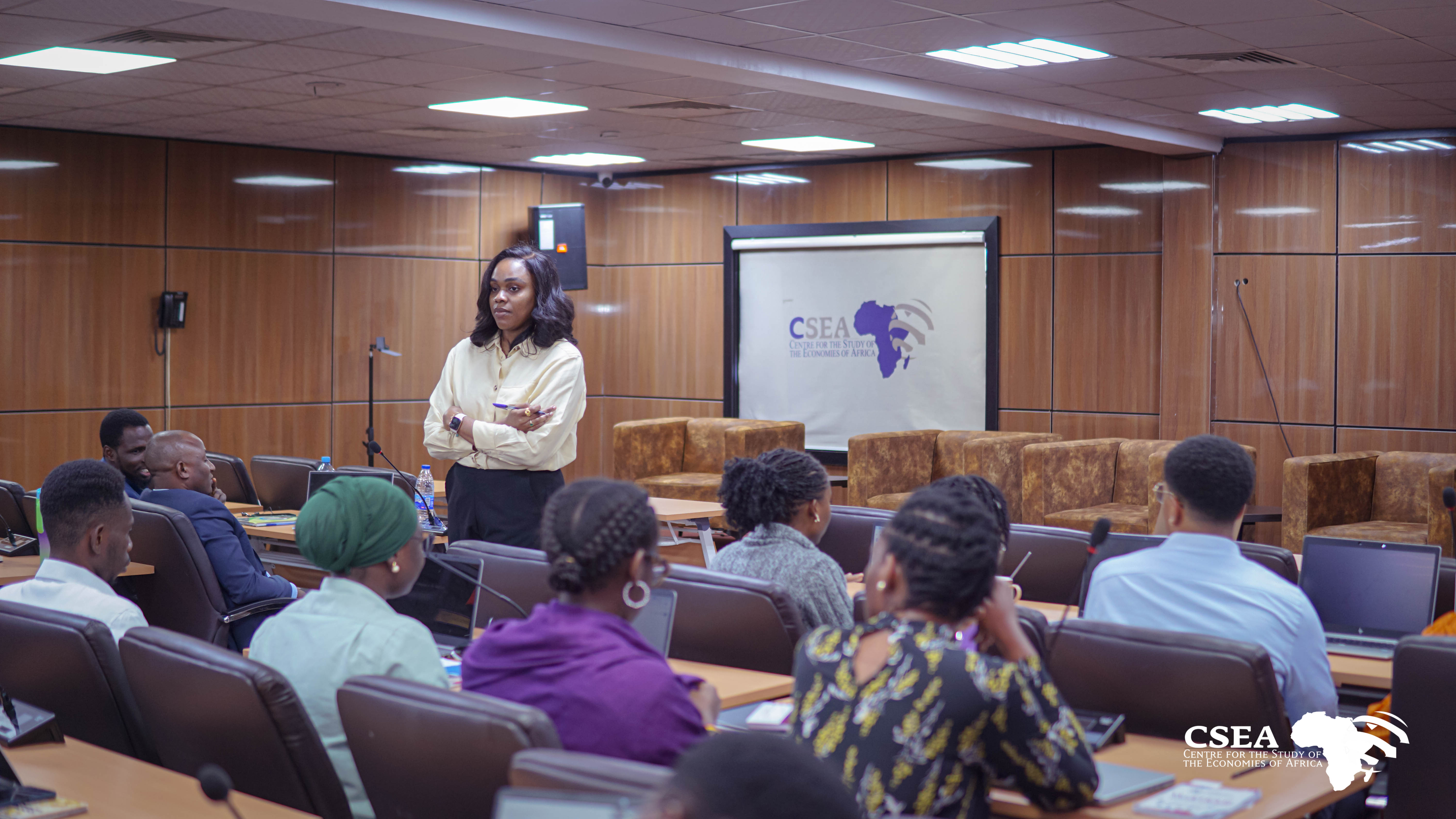
Research and Writing for Policy Training
DAY 1
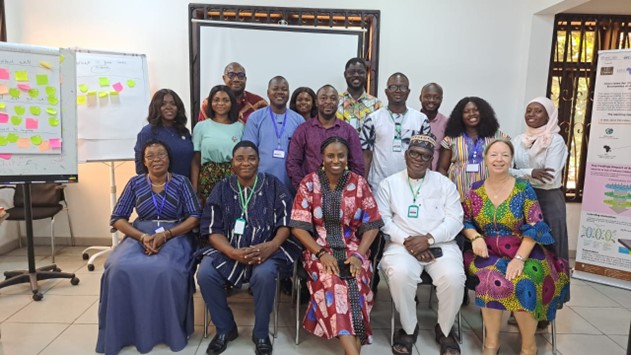
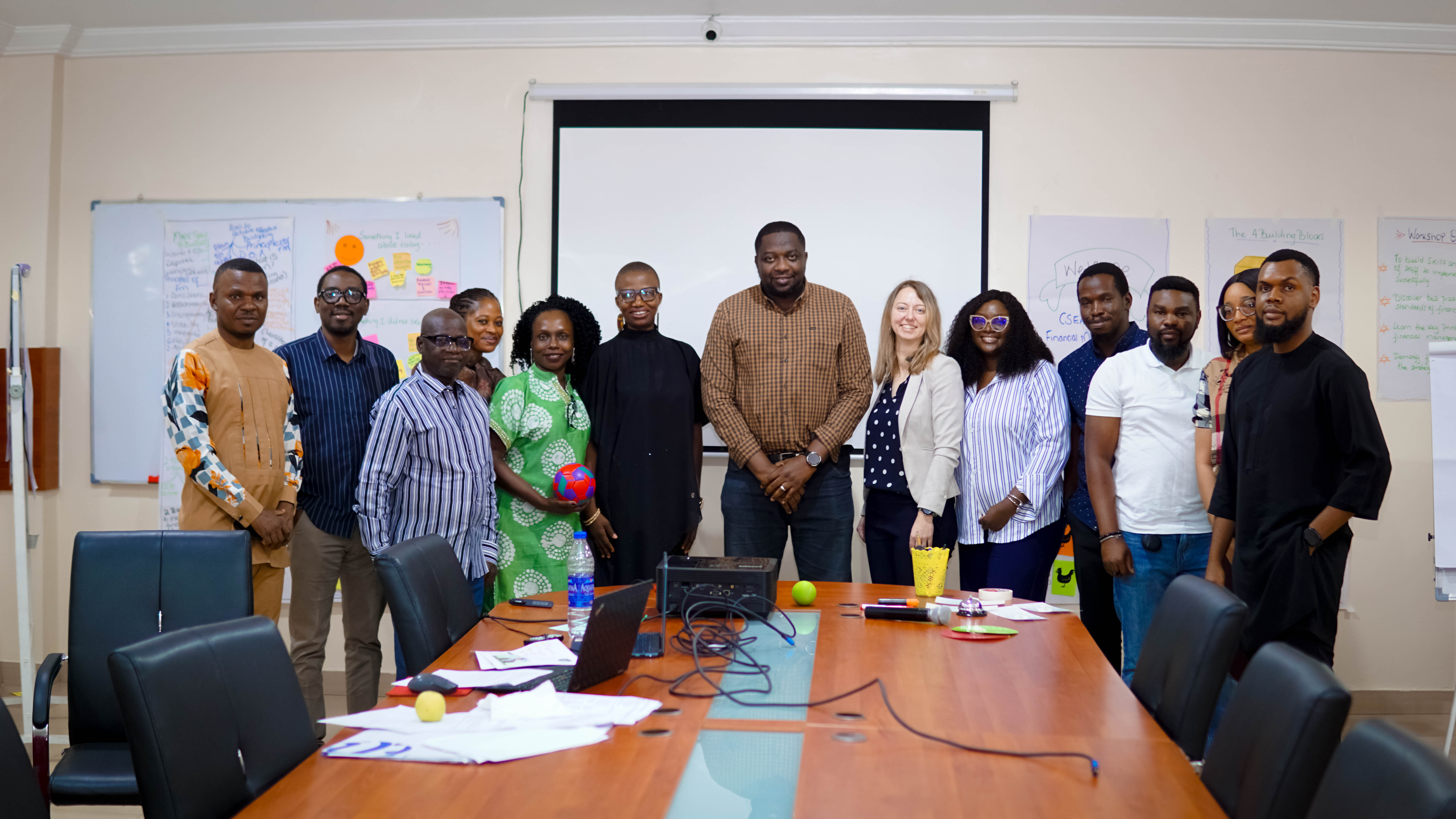
The Centre for the Study of the Economies of Africa (CSEA) hosted a two-day in-house training session focused on research and writing for policy. The primary goal of the training was to enhance participants' skills in research and writing, particularly in relation to the policy development work of the research department.
The training was facilitated by Thelma Obiakor, Senior Research Fellow at CSEA. She encouraged staff to reflect on areas for improvement, such as academic writing, overcoming writer's block, enhancing clarity, understanding the organization's research approach, econometric modeling, referencing, and data analysis.
Throughout the session, Thelma led discussions on how to approach writing a technical note. She recommended searching for templates online and creating an outline as a guide. To engage participants, she organized a literature comparison activity that focused on citation structures, accuracy, and flow. The groups analyzed and discussed the structure and relevance of two papers.
Thelma further gauged the participants' understanding by tasking them with creating outlines for a literature review based on a paper of their choice. The session concluded with presentations from two groups who justified their literature review outlines. A follow-up discussion was planned for Day 2 to continue exploring these studies.
DAY 2
On the second day, Thelma facilitated group presentations of their literature review outlines. She then led a discussion on various types of research gaps.
The groups were tasked with writing introductions for their chosen research papers, which were shared for peer review. The facilitator used feedback from the participants to identify areas for improvement, fostering a collaborative learning environment.
Thelma emphasized the importance of maintaining a neutral tone in technical reports, cautioning against the use of sentimental or emotional language. She also reinforced the value of outlining as an essential tool in research writing. Staff members shared insights, identifying sections where writing improvements were needed in a selected paper.
Thelma prompted participants to reflect on their understanding of policy briefs, highlighting important considerations such as audience analysis. She outlined the key purposes of a policy brief, which include offering solutions and influencing decisions. A staff member inquired about the difference between a policy brief and a white paper, which typically provides in-depth analysis or suggestions for specific policies.
The facilitator emphasized the value of peer review and collaborative feedback in improving research outputs. She encouraged further group exercises on research writing techniques to continue developing these skills.


The Centre for the Study of the Economies of Africa (CSEA) hosted a two-day training on research and writing for policy, aimed at strengthening the team’s ability to contribute to policy development. The workshop was held on November 11 and 12 and was facilitated by Thelma Obiakor, Senior Research Fellow and doctoral candidate at London School of Economies.
The training covered essential skills in academic writing, econometric modelling, referencing, and data analysis. Participants were engaged in practical activities like creating literature review outlines, peer reviewing drafts, and learning how to write impactful policy briefs and reports.
”