
 English
 Arab
Arab
 Deutsch
 Português
 China
China
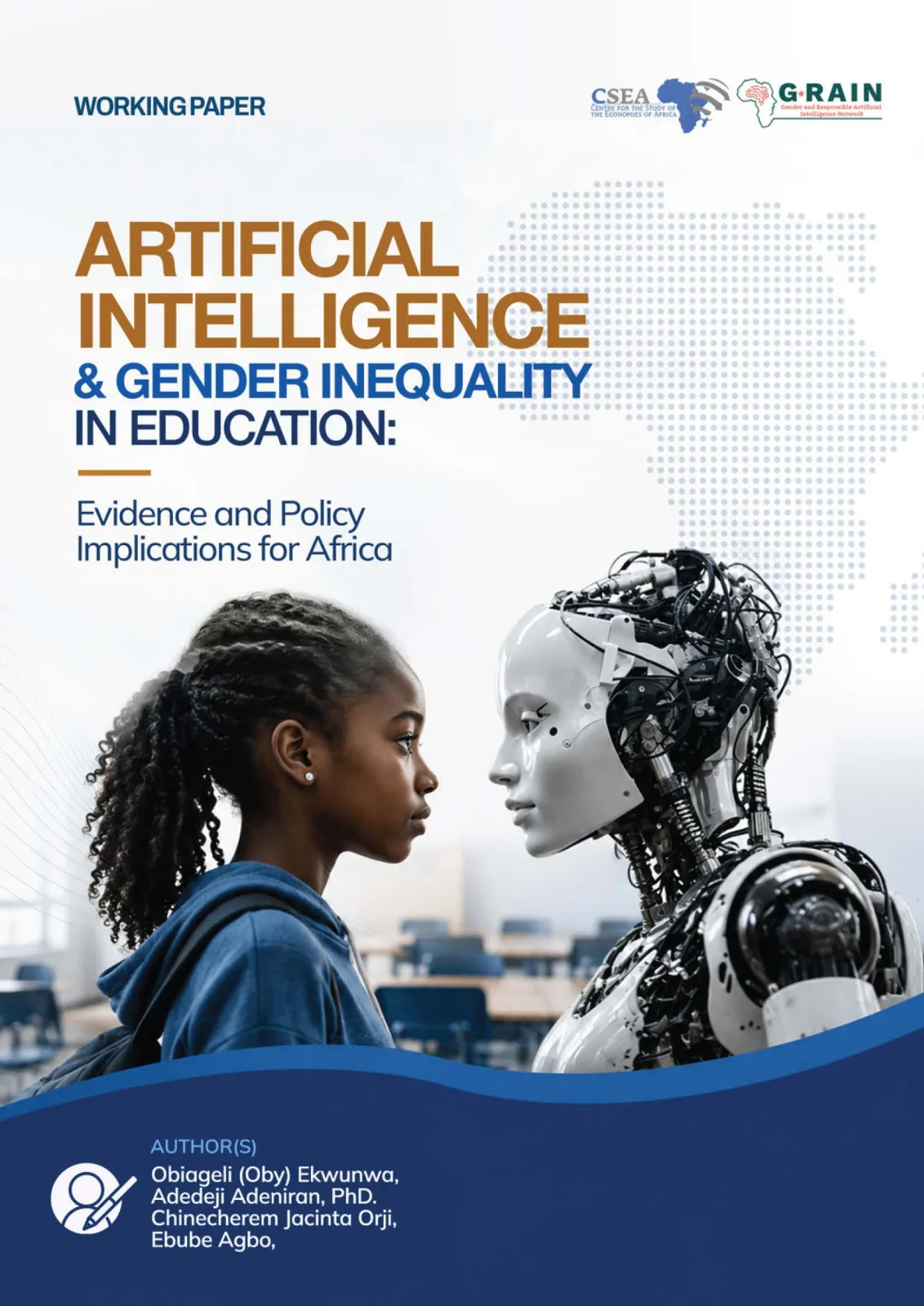
Recent evidence indicates that the emergence of Artificial Intelligence (AI) is rapidly transforming education. However, evidence on the effectiveness of AI interventions in addressing gender inequality in education remains limited. In this regard, this study conducts a Systematic Literature Review on the role of AI in addressing gender inequality in education and draws implications for Africa. This study applies the PRISMA systematic review approach and synthesises evidence from peer-reviewed articles obtained from Scopus, Web of Science, and Google Scholar for the period 2015–2025. The review centred around themes: STEM and non-STEM fields; inclusive education for marginalised learners; algorithmic bias and equity concerns; and attitudes, confidence, and digital skills. The findings indicate that the adoption of AI can be a potent instrument for reducing gender gaps and expanding access to education, particularly for girls and women with disabilities. However, the review also suggests that the scalability of AI potentials has remained a significant challenge in Africa due to inadequate technological infrastructure and ingrained gender norms that often restrict its equitable implementation. One of the implications of these findings for Africa is that it points out that the implementation of ethical and responsible AI in the education sector by prioritising gender-sensitive design and infrastructure investment can be a potent tool for enhancing female participation in AI-enabled learning environments on the continent. In addition, this study contributes to the literature by providing a structured synthesis of global evidence and highlighting the contextual constraints that shape AI effectiveness in Africa.
Download PDF