
 English
 Arab
Arab
 Deutsch
 Português
 China
China
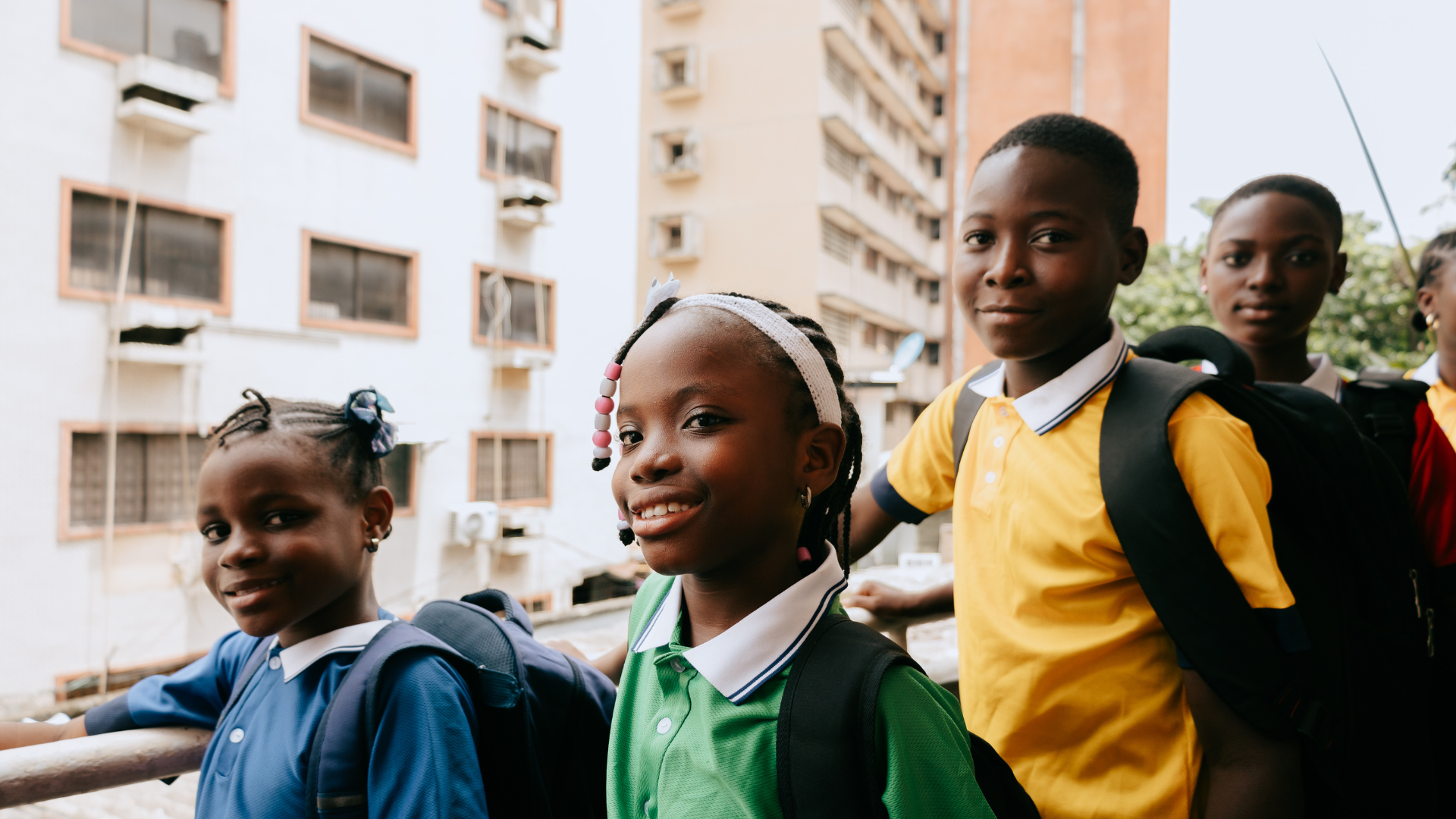
Effectiveness of Accelerated Education and Girls-Focused Education Innovations in Nigeria
Education is critical to individual and societal advancement, yet it faces severe challenges in West Africa, particularly in Northern Nigeria due to conflict and violence. A significant impact of these disruptions is the growth in the numbers of Out-of-School Children and Youth (OOSCY), driven by complex and multiple reasons including ethnic and religious divides. Young women and girls’ life trajectories are particularly affected, resulting in unequal access to education, work, and participation in society. These inequalities are further worsened by internal migration and displacement, which results in deepened vulnerability such as intergenerational poverty and teenage motherhood (Hanmer et al., 2024). Insurgency and terrorism in Nigeria, with the insecurity and fear it engenders, has left approximately 19.7 million children out of school, disproportionately affecting girls from impoverished and rural backgrounds (Oyekan et al., 2023). These conditions highlight the challenge of maintaining formal education institutions and ensuring the safety of learners and teachers in Fragile, Conflict and Violence (FCV) affected areas.
Download PDF