

Highlights

CSEA Assumes Sustainability Partner Role for TCDI in Seven African Countries


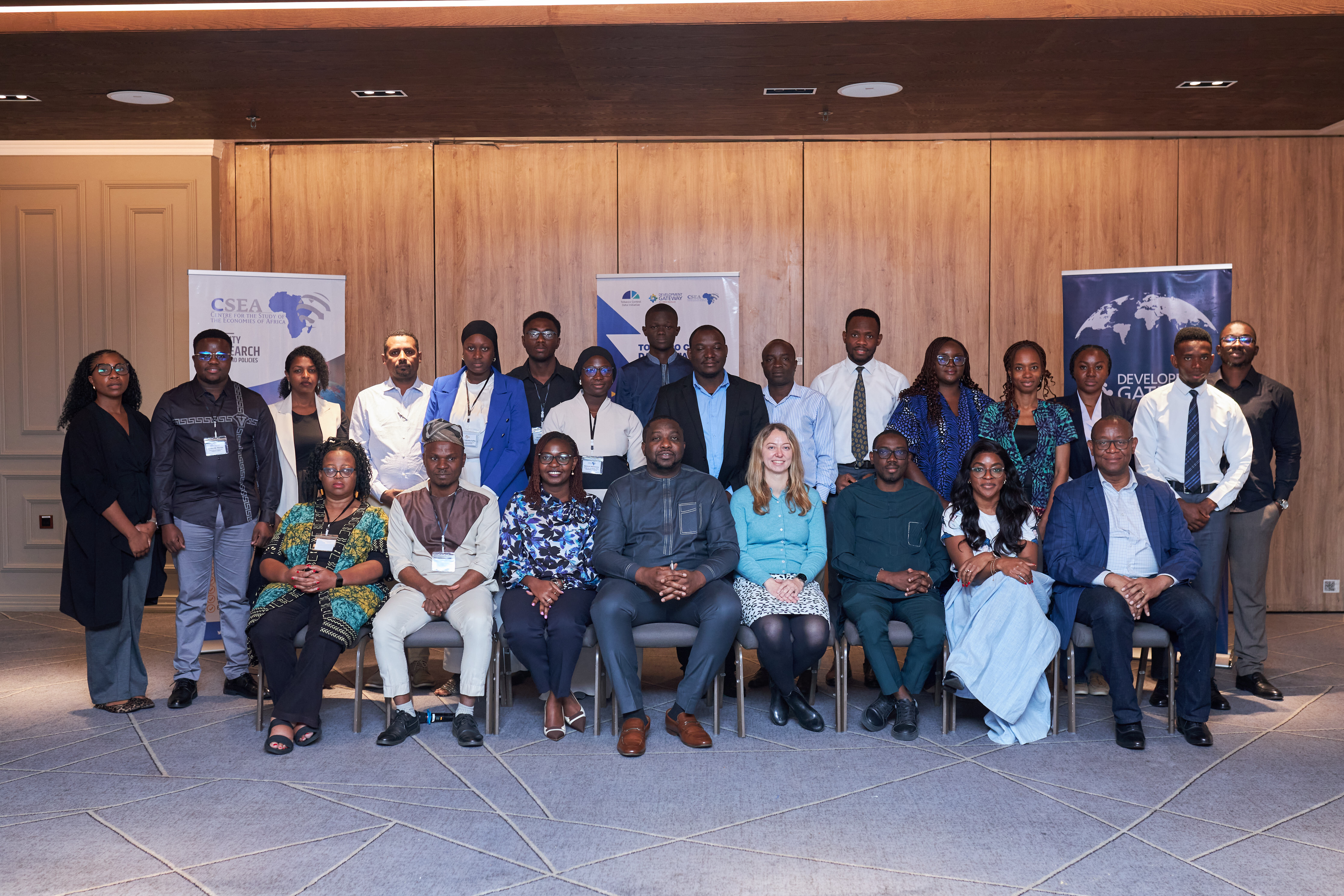
The Centre for the Study of the Economies of Africa (CSEA) is pleased to announce that CSEA has officially taken over as sustainability partner for  the Tobacco Control Data Initiative (TCDI) from Development Gateway: An IREX Venture (DG), following the successful completion of the Mentorship phase (Years 1 and 2) of the programme. 

The TCDI Dashboard supports governments, civil society, and academia with access to quality, timely, and validated,  data to inform the design and implementation of more evidence-based tobacco control policies across Africa. The initiative is being implemented in seven countries: Nigeria, Zambia, South Africa, Kenya, Ethiopia, and the Democratic Republic of Congo and Senegal, across sub–Saharan Africa.

CSEA’s Role as Sustainability Partner of Expansion Phase (Year 3 and 4)

In its new role, CSEA will leverage already established networks and  expertise of partner organisations across TCDI countries to strengthen national ownership, stakeholder coordination, and long-term uptake of the Dashboard. This will  include facilitating structured engagement with national governments and key actors in tobacco control, supporting clear and consistent communication, and enabling collaboration that sustains the programme’s relevance and impact beyond implementation cycles.

Throughout this expansion phase, DG will support CSEA in drawing upon the successful approaches used in TCDI 1.0, specifically by guiding CSEA in employing a user-centered approach in which stakeholders are at the heart of website development. This user-centered approach will ensure that the data on the new TCDI website meets the stakeholders’ needs and improves users’ interaction with the platform. In this phase, CSEA will also conduct the second round of prevalence spot checks.

CSEA, in collaboration with Development Gateway (DG), recently held  a four-day TCDI Workshop held in Lagos from December 2 to 5, 2025, bringing together programme team members to review progress and align  priorities for Year 3 (2026).The workshop focused on  reflections on Year two  achievements, onboarding for newer team members, and clarification of roles and workplans for the year ahead. 

Looking Ahead

With CSEA serving as Sustainability Partner, the TCDI Dashboard is positioned to reflect deepened country level engagement  while strengthening pathways for evidence-based tobacco control across participating countries. CSEA will continue working with DG and country stakeholders to support effective coordination, broaden awareness and use of the Dashboard, and reinforce institutional partnerships that drive sustained policy impact.

Read More

Small Steps to Big Intelligence

Nigeria's digital governance journey reflects bold ambition meeting incomplete execution. Internet penetration reached close to half the population in 2024[1]. The National Information Technology Development Agency’s (NITDA) Strategic Roadmap (2021–2024) seeded hundreds of digital centres across the federation,[2] and the National e-Government Master Plan targets 75% digitisation of public services by 2027 , while the Nigeria Data Protection Act (2023) established an independent
commission to safeguard privacy and govern data use

Read More Download PDF

Improving Nigeria’s Trade Environment

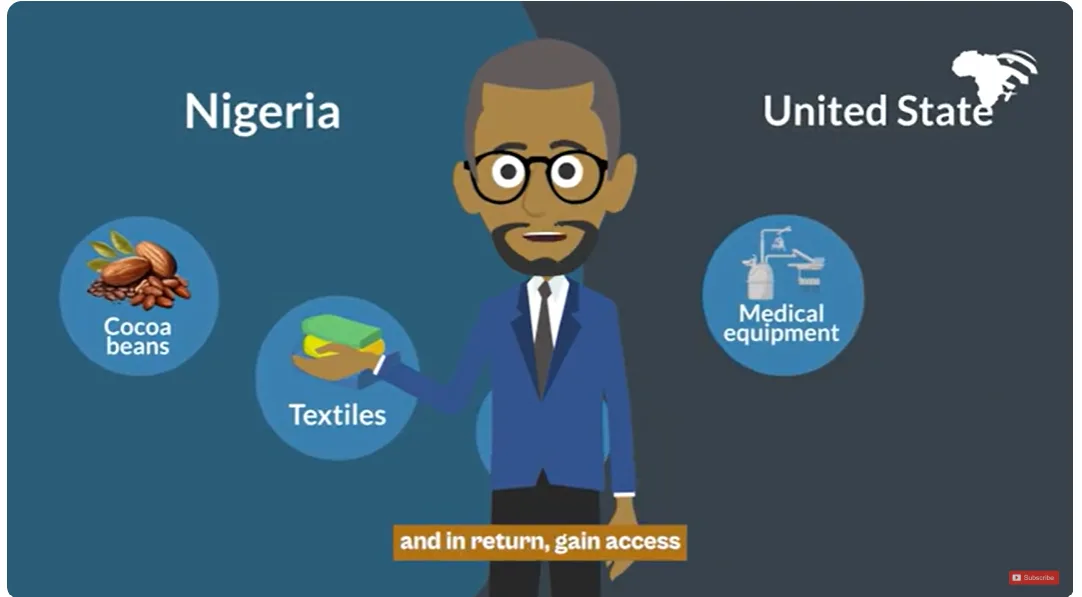
Improving Nigeria’s Trade Environment: Policy Solutions for Competitiveness & Growth" In this episode we are looking into Nigeria trade competitiveness and how policy interventions should focus on stabilising the exchange rate improving infrastructure and expanding trade capacity in Nigeria. 

Read More

Unlocking Africa's Potential: Tackling Youth Unemployment in Nigeria

In this episode, we dive deep into the growing challenge of youth unemployment in Nigeria, highlighted in our latest report. With over 400 million young people, Africa stands at a critical point to harness its youth for economic growth and job creation. But what are the obstacles, and how can we meet the UN's Sustainable Development Goal 8—ensuring decent work for all by 2030? Read more of our publications on youth employment, to unpack the data, and explore solutions to drive progress across the continent on our website at www.cseaafrica.org 

Read More

Promoting an effective tobacco tax system to save lives and the environment

Tobacco use is killing us and our planet’! Annually, tobacco use kills about 8 million people globally and 29,000 people in Nigeria. The economic costs of tobacco attributable disease on the Nigerian economy is estimated at US$1.71 billion per annum including the direct and indirect costs of tobacco. Tobacco smokers’ life expectancy is at least 10 years shorter than that of non-smokers. Exposure to second-hand smoke is a serious health hazard causing more than 41,000 deaths annually. Pregnant women who are exposed to secondhand smoke are more likely to have a complication before and after child delivery. Children are not immune to this danger; each year, 150, 000 children under the age of five are killed by secondhand smoking. The deleterious effect of tobacco extends to smokeless tobacco,  also a known cause of cancer. The nicotine in smokeless tobacco increases the risk of sudden death due to irregular heartbeat (ventricular arrhythmias).

Tobacco use is not only killing people, it is poisoning our environment! Tobacco endangers the health of the planet with an environmental burden of 600 million trees cut down annually for tobacco production, 200 000 hectares of land cleared, 84 million tonnes of CO2 emitted, and 22 billion tonnes of water consumed. Moreover, agrochemicals used in tobacco cultivation poisons the land, soil and water, and tobacco production saturates the air with tonnes of toxins. Cigarette smoking alone pollutes the air ten times more than gas emissions. In the year 2019 alone, about 4,211,962 cigarette butts were collected from beaches and waterways globally. This implies that tobacco butt is the second most common type of environmental litre after food wrappers. The cigarette butts contain toxic chemicals such as nicotine and heavy metals which endangers aquatic life and microorganism. 

Tobacco Taxation can mitigate these challenges

Tobacco taxation, passed on to smokers in the form of higher cigarette prices, has been acknowledged not only as one of the most effective control strategies for decreasing smoking and its adverse health consequences but also as an effective strategy for reducing the environmental burden of tobacco. Unfortunately, tobacco tax as an effective measure which encourages smokers to quit and prevents others from taking up smoking is the least effective in Nigeria. This ineffectiveness majorly is a result of the low tobacco excise tax rate. In addition, despite the magnitude of the health and environmental burden of tobacco consumption in Nigeria, the overall performance of tobacco tax policies is very poor. The recent 2018 special excise tax on tobacco products only raises the excise tax burden from 12 percent to an estimated 17 percent. This is contrary to best practices and far below the ECOWAS and WHO recommended benchmark of 50 percent and 70 percent respectively. The current tobacco tax structure in Nigeria is too low to discourage tobacco use and protect the environment.

Poor quality tax governance in terms of accountability, responsiveness and sound public finance management is one of the underlying causes of Nigeria’s ineffective tobacco tax system. The tobacco industry takes advantage of the administrative loopholes to undermine tobacco tax reforms. Strong tax administration as well as improving enforcement capacity enhances the impact of higher tobacco taxes (WHO).

Moreover, tobacco industry interference posed a challenge in implementing effective tobacco taxation in Nigeria. The Tobacco industry is one of the booming industries in Nigeria. Domestic market share is around 66 percent, imported market share is approximately 24 percent and illegal market share accounts for 10 percent of tobacco market supply in Nigeria. Given its vast resources and market power, the tobacco industry is a powerful force that is not deterred by government actions. The tobacco industry employs several strategies to influence policy and postpone regulation. Delaying tobacco control laws and authorizing new tobacco products are all examples of these interference. Nigeria's legislative authorities should be active to ensure that the tobacco industry does not play a decision-making role in tobacco legislations.

Increased tobacco taxation and an effective tobacco taxation system should be elevated by the government as top health policy priority in Nigeria. The key viable elements to address the weak tobacco tax system in Nigeria are (i) implement a broad-based, uniform tax that is difficult to avoid (ii) extend regulations and tax policy on tobacco products and sales to eliminate single-use filters and reduce post-consumption waste. (iii) beware of tobacco industry interference and (iv) earmark tobacco tax revenue to improve public health and safeguard the environment. Nigeria's national health systems require a paradigm shift away from fragmented response approach and toward more improved systemic approaches. This could significantly increase funds for health care, improve environmental conditions, enhance public trust, accountability and welfare.

Read More